
 Seasonal topicsOctober 15, 202610 min read
Cystitis: symptoms, home measures that bring relief, and when an antibiotic is needed
Author: Donka Arabadzhova, Master of Pharmacy
This article is for informational purposes only and does not replace a consultation with a doctor or pharmacist about your specific condition.
How I choose topics and verify facts, read in the Editorial policy of mom.pharma.
Finding this article useful? Share it: that is how my work and knowledge reach more people.
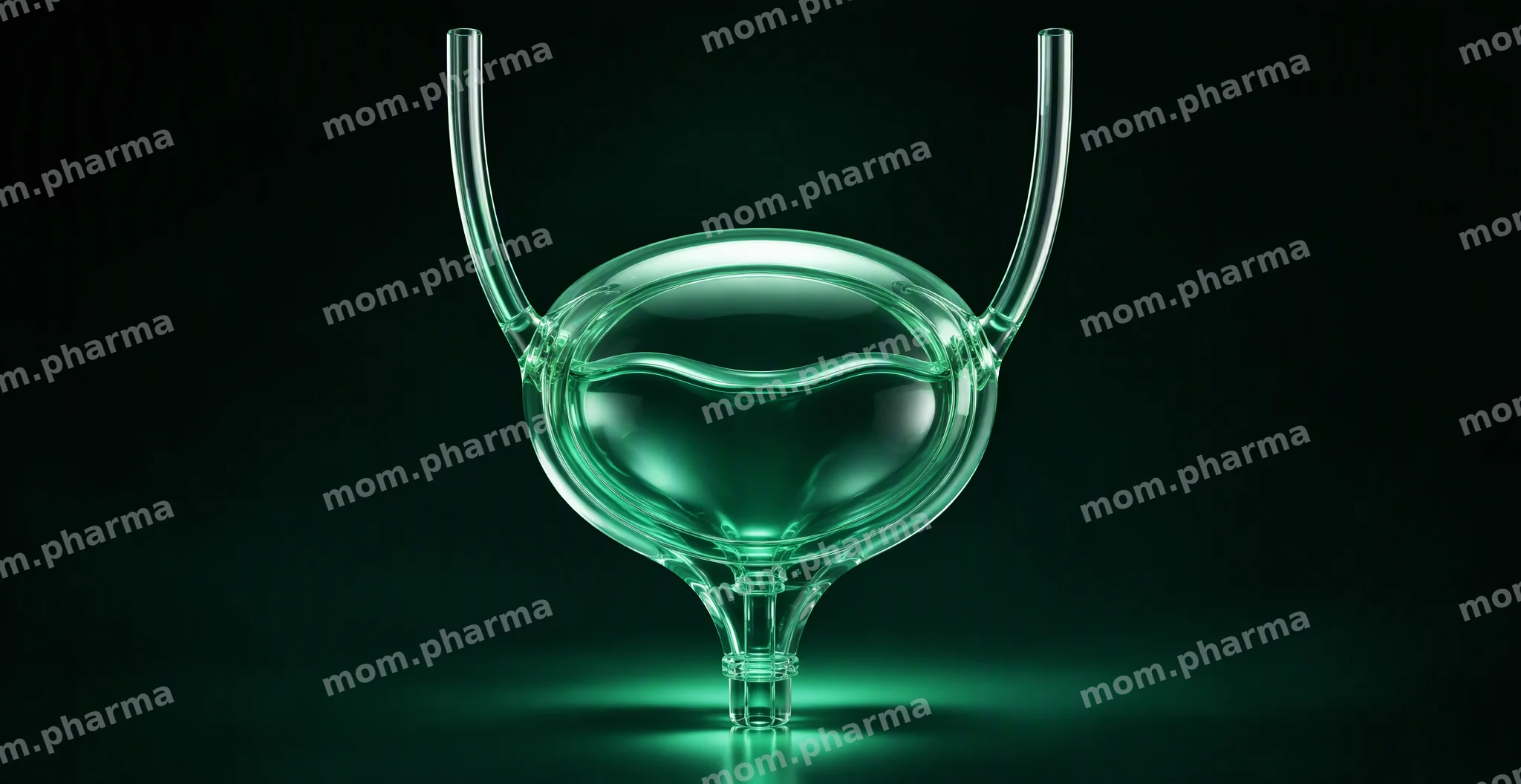
What cystitis is and why it catches up with us so often
Cystitis is a bacterial inflammation of the urinary bladder. In 75% to 90% of cases the culprit is the bacterium Escherichia coli. It is a natural inhabitant of our gut, but once it reaches the urinary tract, it triggers an infection.
The anatomy of the female body makes this process easier: the urethra in women is short (about 4 cm) and sits in immediate proximity to the intestinal zone. The statistics are clear: nearly 50% of women experience at least one episode of cystitis in their lifetime, and in some of them the episodes keep coming back. In men the condition is rare and always requires a medical examination, as it usually signals an anatomical or another health problem. The main risk factors are: sexual intercourse (medicine even has the term honeymoon cystitis), deliberately holding urine and insufficient water intake, the use of spermicides, and physiological changes such as pregnancy, diabetes and menopause, in which the drop in estrogen thins the mucosa.
Friday afternoon, half an hour before the end of the working day. A young woman walked into the pharmacy with the classic request: give me something for burning when I pee, I have been waiting three days for it to pass, I am drinking cranberry juice too. During the conversation she added that her lower back now hurt and she had a slight fever. At that moment the red lamp lights up: back pain accompanied by fever is a signal that the infection may have reached the kidneys. That condition requires an urgent medical consultation, not a visit to the pharmacy.
That is exactly why I created this article. My goal is to explain in plain words what happens in the bladder, which home measures genuinely help, what science says about the popular food supplements and when the antibiotic stops being a matter of choice and becomes a necessity.
Symptoms: when it is cystitis and when the problem is something else

The classic picture of cystitis is recognized by three main complaints that usually arrive together: painful burning or pain during urination, constant urges that release only very small amounts of urine, and a feeling of pressure or pain low in the abdomen, right above the pubic bone. Changes in the urine itself often join them: it becomes cloudy with a sharper, specific smell, and sometimes traces of blood can be noticed in it. With small children we must be especially careful, because their complaints are far vaguer: fever without another visible cause, increased irritability, unexpected wetting in an already toilet-trained child or refusal to eat can all be signals of exactly such an infection.
For the right reaction it is just as important to know what is not typical of cystitis. Vaginal discharge, itching or pain during intercourse rather point to a gynecological problem and the right way leads to the gynecologist. The situation becomes more serious with fever above 38 degrees accompanied by pain in the back right under the ribs, nausea or vomiting: these symptoms suggest the inflammation has probably moved upward toward the kidneys (pyelonephritis), and that already requires an urgent examination. Particular attention is due to blood in the urine that persists even after the other complaints have settled: it is also a clear sign for investigations without postponement.
Pharmacies freely sell rapid urine test strips that read nitrites and leukocytes. They are a good and accessible orientation at home, but their capabilities should not be exaggerated. A negative result does not fully rule out an infection, while a positive one is a signal to visit the doctor's office. Only a doctor can judge the real need for treatment and, in repeating cases, order a urine culture. The diagnosis is always made by the doctor, not by the test strip.
The first hours at home: what genuinely brings relief
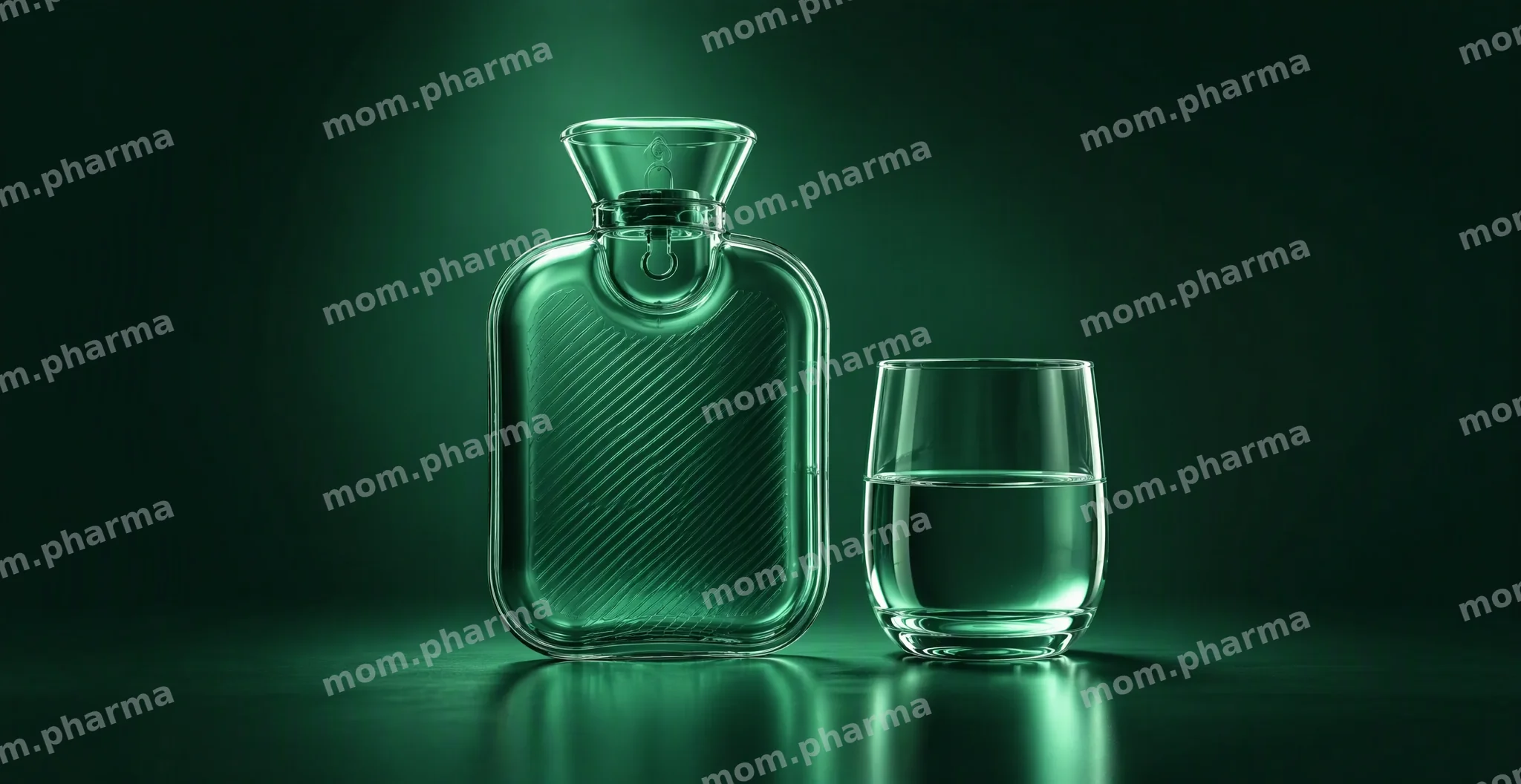
Increasing fluids is the first and most important step: one and a half to two liters of water a day, spread evenly, unless a doctor has restricted the intake for another medical reason. The point is simple: more frequent urination flushes the bladder mechanically and leaves the bacteria no time to attach to the mucosa and multiply. The reverse rule is in force too: at the first felt urge you go to the toilet immediately, because every deliberate holding of urine works entirely in the service of the infection.
For quick control of the pain and burning, the standard painkillers from the home medicine cabinet such as paracetamol or ibuprofen help, taken according to the leaflet. Another proven relief method is a warm cushion over the lower abdomen: it relaxes the tense muscles and reduces the spasms. At the same time it is sensible to pause coffee, alcohol, fizzy drinks and very spicy food, because they irritate the already inflamed bladder lining and can intensify the discomfort.
All these home measures, however, are aimed at relieving the symptoms and do not have the power to destroy the bacterium in the bladder. In practice there is a clear 48-hour rule: if there is no categorical improvement within two days or the condition starts to worsen, the visit to the doctor becomes mandatory. It is important to know that this rule does not apply to pregnant women, men, children and people with diabetes: for them the risk of complications is higher and medical help is sought from the very first day.
The antibiotic: when it is needed and why the course is finished
For bacterial cystitis the antibiotic is the therapy with the most solid data behind it. The European urological guidelines (EAU) and the British ones (NICE) recommend short schemes for uncomplicated cystitis in women: nitrofurantoin for five days or single-dose fosfomycin. Both are prescription-only: the choice, the dose and the duration are set by a doctor, and the law does not allow the pharmacist to dispense them without a prescription.
The main reason never to reach for the pill that helped last time is the danger of antibiotic resistance. In Europe the bacterium Escherichia coli already shows high resistance to a large part of the older antibiotics, which makes them ineffective. In addition, the fluoroquinolone group was seriously restricted by the European Medicines Agency (EMA) because of the risk of rare but severe and long-lasting side effects. That is why, especially with repeating episodes, the doctor relies on a urine culture: the laboratory analysis establishes with precision which the specific causative agent is and which medicines it is sensitive to, so that targeted treatment can be prescribed.
The course is finished to the end, even if the symptoms have vanished by day two. Stopping early leaves the hardiest bacteria alive and trains them for next time. I describe this mechanism in detail in the article on antibiotics for colds and flu. And once the course is over, the gut flora needs attention too: which probiotic for what, I review in the article on choosing a probiotic.
Cranberry, D-mannose and soda: what the studies say

The three most commonly used remedies for cystitis are in fact food supplements or home methods, not medicinal products. There are no officially approved health claims for them in the European Union, which is why I look at them solely through the data from scientific studies, with named sources.
The longest history belongs to cranberry. The large systematic review by Cochrane from 2023, covering 50 studies with nearly 9000 participants, finds that cranberry products lower the risk of a new episode in women with frequent recurrences. Here, however, there are two key details that are often missed. First, the effect is in prevention: it will not help if the infection has already unfolded. Second, the concentration of the active substances (proanthocyanidins) varies widely between the individual products on the market, which influences the final result.
With D-mannose a recent study seriously changed attitudes. A large randomized controlled trial, published in the medical journal JAMA Internal Medicine in 2024, followed nearly 600 women with recurring infections and found no statistically significant difference between taking D-mannose and placebo. This does not make the supplement harmful, but it puts it in its real place: a personal expense that may not bring the expected result.
Another popular method shared on the internet is drinking baking soda dissolved in water for the so-called alkalinization of the urine. As of today there are no quality studies supporting this practice, while the high sodium content of soda can become a serious problem for people with high blood pressure. Finally, one of the most persistent myths: the cold, the wet swimsuit and sitting on a cold bench do not by themselves carry bacteria into the bladder. Cystitis is always caused by a bacterium, and the true risk moments in the heat and in the cold remain the same: too little water and holding urine for too long.
When waiting is not an option: warning signs, pregnancy, men and children

There are situations in which the visit to a specialist tolerates no postponement and cannot wait until Monday. Fever above 38 degrees accompanied by back pain, chills, vomiting, blood in the urine that does not go away or severe pain not influenced by standard painkillers are clear signals of a possible kidney process. They require a medical examination the same day, because pyelonephritis is a serious complication that cannot be overcome with herbal teas and heating pads at home.
Particular attention is due to the groups in whom the approach is always different. In men every episode is regarded as complicated until proven otherwise and requires a consultation with a urologist, because a prostate problem or another anatomical cause very often stands behind it. In children the first cystitis mandatorily requires an examination by a pediatrician. During pregnancy even bacteria in the urine without any external symptoms are subject to treatment, because they hide a real risk for the baby's health, and self-treatment there does not exist as an option at all. People with diabetes and those with a suppressed immunity should also seek medical help at the first signs of discomfort.
In medicine the term recurrence has a very precise definition: two or more episodes of infection within six months, or three or more episodes within a year. With such a picture the doctor orders a urine culture and, when necessary, specific imaging studies. For women in the period after menopause local estrogen therapy is one of the options the gynecologist can weigh and prescribe. Long-term preventive schemes with low-dose antibiotics also exist, but their application rests entirely in the hands of the treating physician.
Despite all modern therapies, everyday habits remain at the foundation of urinary tract health: enough fluids throughout the day, a toilet visit without postponement as soon as the need is felt, urinating immediately after intercourse, avoiding spermicides with a tendency to repeating infections and wearing cotton underwear. If you are currently experiencing discomfort and hesitate whether your complaints are suitable for a pharmacy consultation or require a doctor's office, write to me in the Ask Didi chat: I answer personally and free of charge, for information purposes only, without placing diagnoses and without changing prescribed therapy.
Sources
This article was written by Donka Arabadzhova, Master of Pharmacy, and confirmed against the following sources: NHS: cystitis, symptoms and when to seek help; European Association of Urology (EAU): guidelines on urological infections; NICE NG109: antimicrobial prescribing for lower urinary tract infection; StatPearls: uncomplicated cystitis, causes and therapy; Cochrane review 2023: cranberries for preventing urinary tract infections; JAMA Internal Medicine 2024: D-mannose versus placebo for recurrent urinary tract infections.
This article is for informational purposes only and does not replace a consultation with a doctor or pharmacist about your specific condition.
I answer personally and free of charge, for information purposes only, without diagnosis and without changes to your therapy.
If this article was useful and you think it will help someone, share it. That is how my work and knowledge reach more people.