
 Seasonal topicsOctober 12, 20268 min read
Home inhalations: which inhaler (nebulizer) to choose, what goes inside and what never does
Author: Donka Arabadzhova, Master of Pharmacy
This article is for informational purposes only and does not replace a consultation with a doctor or pharmacist about your specific condition.
How I choose topics and verify facts, read in the Editorial policy of mom.pharma.
Finding this article useful? Share it: that is how my work and knowledge reach more people.
What inhalation does and when it makes sense
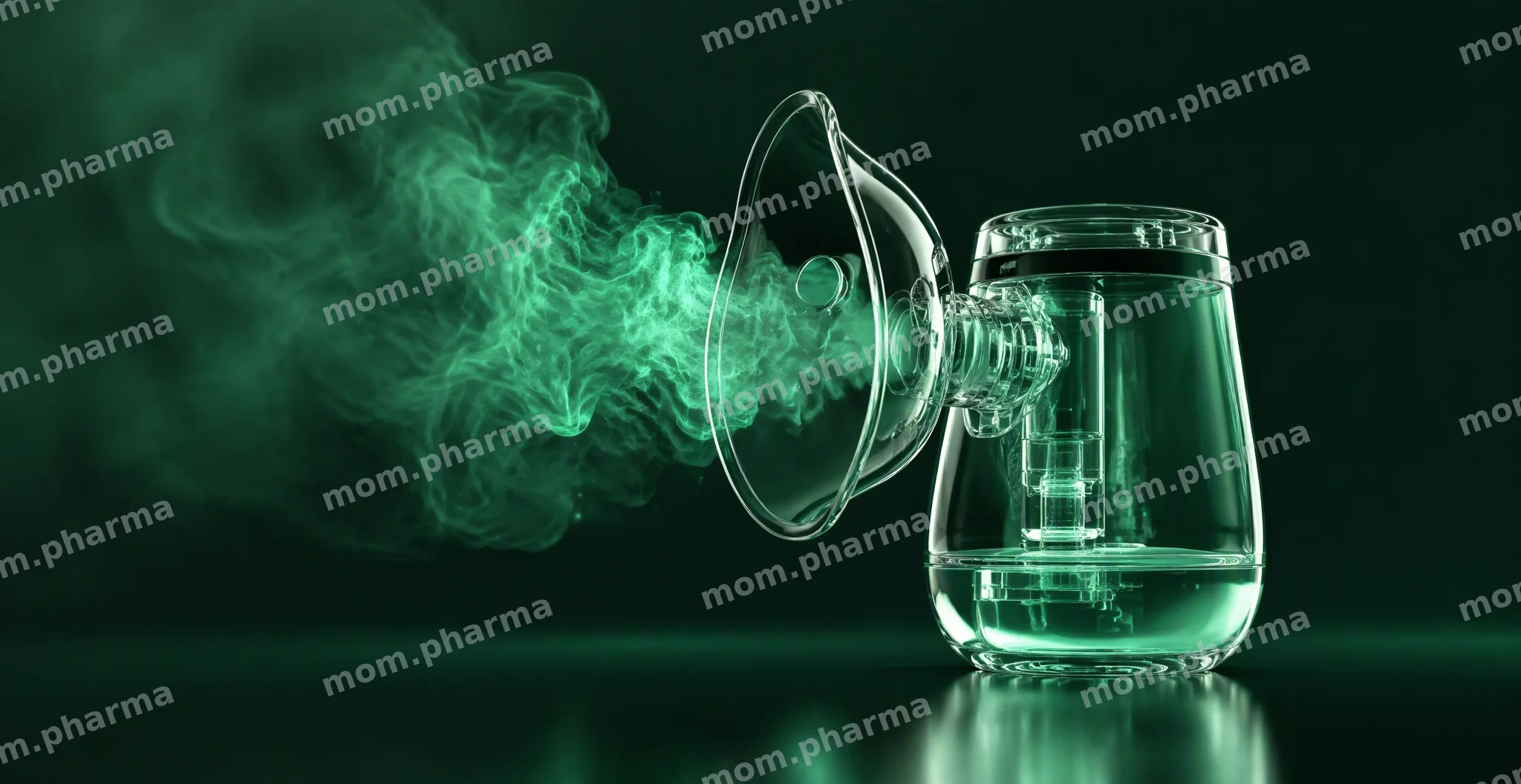
An inhaler turns liquid into a fine aerosol whose droplets are on the order of 1-5 microns and reach deep into the airways. Unlike the bowl of hot steam, which moistens mostly the nose and throat, the inhaler delivers the solution where it is needed: into the bronchi. Saline moistens the mucosa, thins the secretions and helps the body expel them more easily.
The main goal of home inhalation is fast symptomatic relief. It is an invaluable helper with a dry, exhausting cough, colds, a blocked nose and a hoarse throat, because it delivers moisture directly to the irritated mucosa.
Science also supports the method in more serious diagnoses. A large systematic review by Cochrane confirms that using 3% hypertonic saline in babies with bronchiolitis supports recovery and shortens the hospital stay. Since these are delicate patients, therapy in such cases is carried out under strict medical supervision.
It is important, however, to clear up a few illusions. Inhalation has no magical effect: it does not "kill the viruses" in the respiratory tract and it categorically cannot replace antibiotic treatment if a bacterial infection develops. Its role is to relieve the condition and make breathing easier while the immune system deals with the illness. On the role of antibiotics in colds and flu I have a separate article.
In the first cold week of October three parents walked into the pharmacy on the same day with the exact same question: "Which inhaler should I choose?" While we discussed the options, one of the mothers shared that she planned to drip eucalyptus essential oil into the device's container. She had read online that this would successfully "disinfect the lungs" of her child.
That very moment convinced me we urgently needed a calm, structured and medically sound conversation on the topic. Because the home inhaler is an invaluable ally, but only when we know how to use it safely, from the right choice of technology to the list of things that should never be poured inside.
Compressor, ultrasonic or mesh: which device for whom
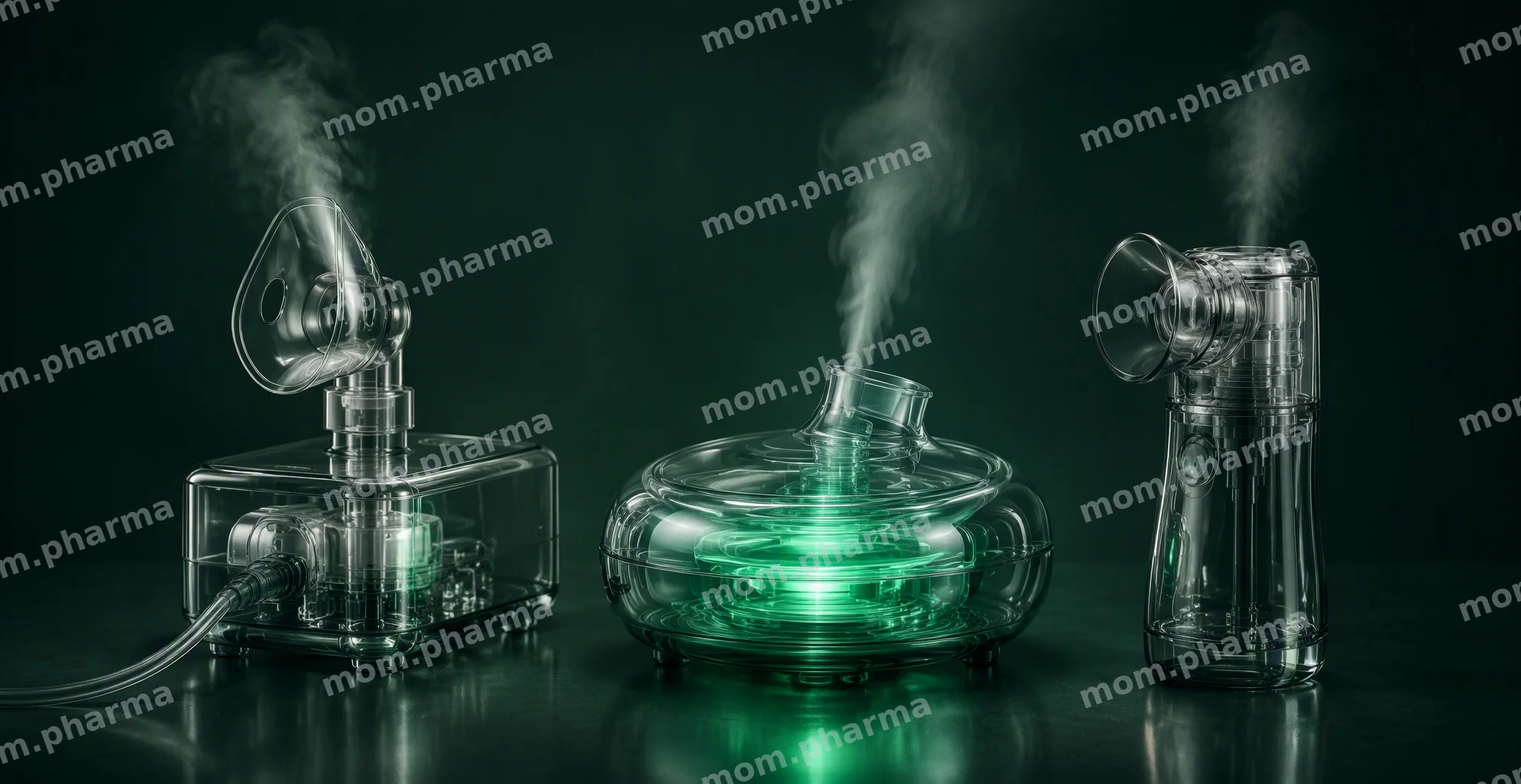
The compressor inhaler is the true "workhorse" of medicine. It uses a motor that pushes air under pressure and sprays the solution. The device is bulkier and noisy (the sound level is close to that of a running fridge), but it is the most budget-friendly, usually between 30 and 62 euro. Its huge advantage is that it withstands years of daily use and works with absolutely all types of solutions, including heavier medical suspensions.
The ultrasonic model is quiet and fast, but it hides a serious drawback: the built-in crystal heats the liquid. This can destroy the structure of heat-sensitive medicines, corticosteroids and protein preparations, so its use is limited.
The MESH inhaler is the pinnacle of the technology. It sprays the solution through a microscopic vibrating membrane. The device is completely silent, pocket-sized and runs on batteries, a perfect solution for emergencies, for travel or for the school bag. The investment here is the highest, and the fine membrane requires strict cleaning after every session, because medicine residues easily clog it.
How do you make the right choice?
When choosing a device, the leading criterion should be the size of the generated particles (MMAD); look for the range from 1 to 5 microns (µm) to be sure the aerosol reaches the lungs. For home therapy of babies the compressor device remains the golden standard. If you need mobility for an active child, MESH technology will give you the necessary comfort. Always check for a baby mask in the package and make sure the brand maintains affordable consumables and service in the country.
What goes into the inhaler and which experiments are dangerous?

The main pillar of home inhalation is saline (0.9% sodium chloride). Because it is isotonic, it is exceptionally gentle on the airways and can be inhaled daily for physical moistening. When we face thick, stagnant secretions, however, the 3% hypertonic solution comes to help. Its role is to mechanically pull water toward the mucosa in order to thin the phlegm. It is normal for it to provoke slight stinging or coughing in the first minutes. Stronger, 7% solutions with hyaluronic acid also exist, but they are reserved for specific chronic diagnoses and are applied under strict medical supervision.
A fundamentally different category are the medicinal products for inhalation, such as bronchodilators (salbutamol) and inhaled corticosteroids (budesonide). They fight specific pathological processes (spasm and inflammation), are sold only by prescription and using them "just in case" is absolutely unacceptable. The doctor determines the dose, and your pharmacist at the pharmacy is obliged to show you exactly how to dilute them correctly before the session.
Finally, every parent should know the list of absolute prohibitions. Ordinary or boiled water has no place in the device; it is hypotonic and causes a burning swelling. Nasal sprays, even with seawater, are also not formulated for the lung. Homemade herbal teas carry dangerous allergens and plant micro-particles deep into the bronchi. The greatest danger, however, remains the essential oils. Inhaled as an aerosol, they enter the alveoli and can cause lipoid pneumonia, a serious diagnosis well described in the medical literature. Remember: oils belong to the room diffuser, but never to the medical inhaler.
How to do an inhalation: step by step

The child or adult sits upright and breathes calmly, without forced deep breaths. Small children use a mask fitted snugly over the nose and mouth; older children and adults do better with the mouthpiece (a tip that is placed in the mouth or brought close to the lips), because breathing through the mouth drives the aerosol into the bronchi. When the target is a blocked nose, as with the enlarged third tonsil, the mask and nose breathing make more sense. One inhalation lasts 5-10 minutes, until the mist stops.
An inhalation is not done on a crying child: when crying, air goes out, not in. That is why inhalation for a baby is done during sleep or when the child is calm, with a book or cartoons in the lap. There is no inhaling right after a meal (wait at least 30 minutes to avoid vomiting), and after the session you do not go outside immediately.
How often: saline cannot be overdosed and 2-4 inhalations a day are a comfortable scheme for a cold. After an inhalation with a corticosteroid the face is washed, and with a mouthpiece the mouth is rinsed, so that no preparation remains on the mucosa.
Proper hygiene is half of the therapy
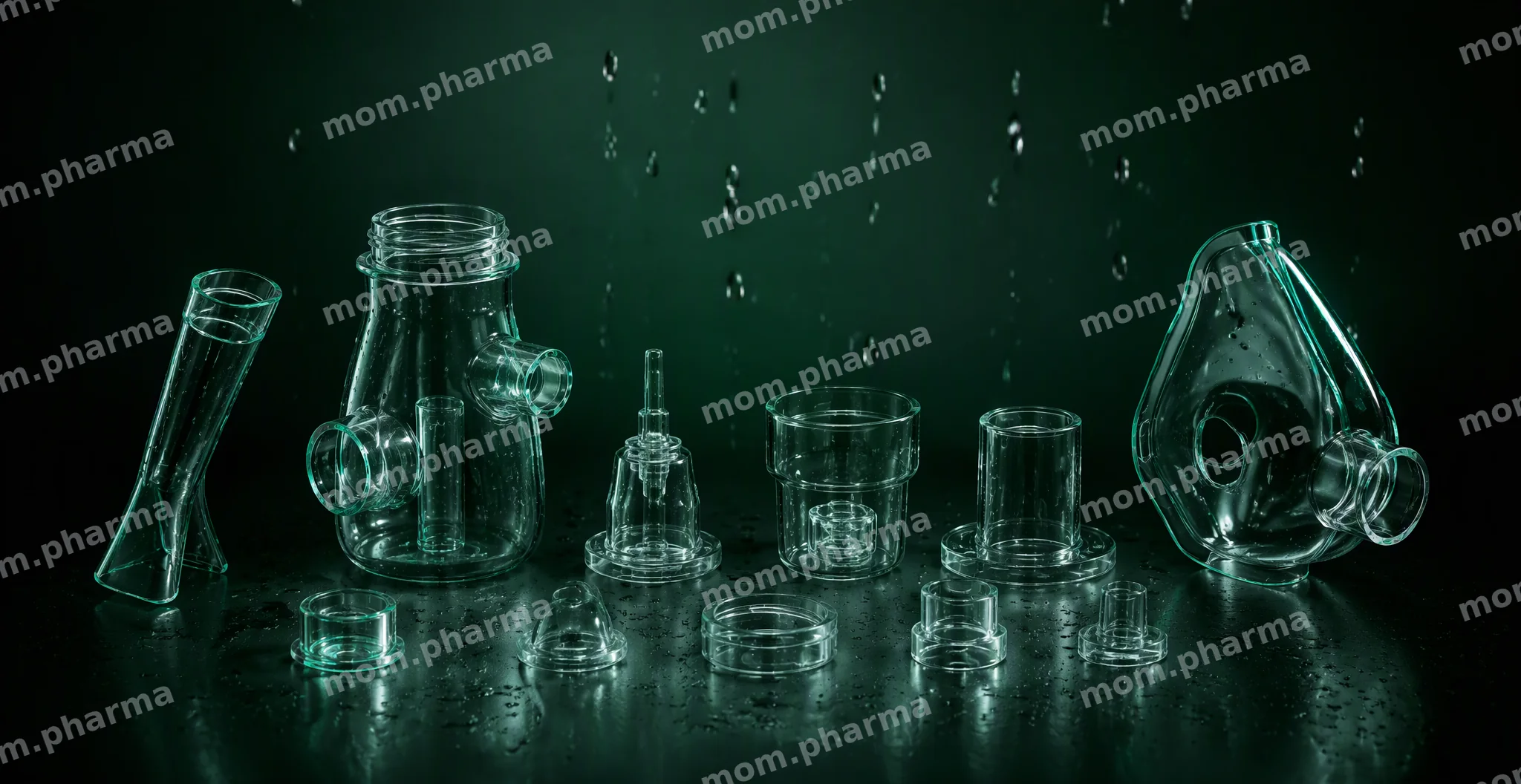
A dirty inhaler does not heal, it infects: bacteria grow in the leftover solution and the next use sends them straight into the lungs. After every use the container and the mask are taken apart, rinsed with warm water and left to dry on a clean towel. The device is never stored wet and assembled.
Once a day during active use the parts are disinfected according to the manufacturer's instructions: most containers and masks tolerate 5 minutes of boiling, and disinfectant solutions exist for the rest. The compressor filter is changed every few months. The membrane of the mesh device is not cleaned with a brush or a stick, only rinsed, because the micro-openings are delicate.
The compressor tube is not washed inside: if moisture gets in, it is dried by running the compressor for a minute without the container. Masks and cups are replaced every 3-6 months with intensive use, because the plastic wears out and the openings clog.
When inhalation is not the solution and a doctor is needed
Steam inhalation over a pot of boiling water belongs to the last century: its benefit is debatable, while the risk of burning a child's face and airways is entirely real. Folk additions like baking soda in the boiling water have no proven effect against viruses, whatever certain websites claim.
You go to the doctor without delay with: difficult breathing at rest, a whistling sound when inhaling (stridor), bluish lips, high fever over three days, a baby that refuses to drink and has fewer wet nappies. These warning signs for bronchiolitis are also listed by the NHS. A cough that does not stop after three weeks is not treated at home either.
Inhalation is a valuable helper in the autumn-winter season when used correctly: the right device, the right solution, a clean device. For support in the same season I also write about immunity in kindergarten and about herbal cough syrups. And if you hesitate about which device or solution makes sense in your case, write to me in the Ask Didi chat: I answer personally and free of charge, for information purposes only, without placing diagnoses and without changing prescribed therapy.
Sources
This article was written by Donka Arabadzhova, Master of Pharmacy, and confirmed against the following sources: MedlinePlus: how to use and clean a nebulizer; Asthma + Lung UK: nebulizer types and choosing a device; NHS: bronchiolitis in babies and the warning signs; Cochrane review: hypertonic saline for bronchiolitis in infants; StatPearls: lipoid pneumonia from inhaling oils; Cystic Fibrosis Foundation: nebulizer care and disinfection.
This article is for informational purposes only and does not replace a consultation with a doctor or pharmacist about your specific condition.
I answer personally and free of charge, for information purposes only, without diagnosis and without changes to your therapy.
If this article was useful and you think it will help someone, share it. That is how my work and knowledge reach more people.