
 Mother and childAugust 19, 20263 min read
September is here: how to prepare your child's immunity for kindergarten
Author: Donka Arabadzhova, Master of Pharmacy
This article is for informational purposes only and does not replace a consultation with a doctor or pharmacist about your specific condition.
The product cards in it lead to pages with affiliate links: if you buy through them, I earn a small commission at no extra cost to you.
How I choose topics and verify facts, read in the Editorial policy of mom.pharma.
Finding this article useful? Share it: that is how my work and knowledge reach more people.

Why September is always sniffle season

When dozens of children gather in one room, they exchange the viruses each of them brought from home. This is not an immunity failure but its training: according to paediatric data, young children catch on average 6 to 8 colds a year, and kindergarten children often more. Most of them pass mildly and on their own.
So the goal is not that the child never falls ill, but that illnesses are mild, rare and followed by quick recovery. This is where parental habits carry real weight, and the bottles of promises on the shelf do not.
What truly supports immunity
The four pillars are boring but proven. Sleep: children aged 3 to 5 need 10-13 hours of sleep per day, and those aged 6 to 12 need 9-12 hours, according to the American Academy of Pediatrics; chronic sleep loss weakens the body's defences. Food: a varied table with fruit, vegetables and protein covers the needs without pills. Outdoor activity and handwashing - the cheapest daily vaccine against everyday viruses.
Vitamin D is the only one with an officially recognised role: it contributes to the normal function of the immune system, and in children it is needed for normal growth and bone development. In Bulgaria, autumn and winter sunshine is not enough for the body to make its own, which is why paediatricians widely recommend drops. The two verified drop forms are shown here and at the end of the article.
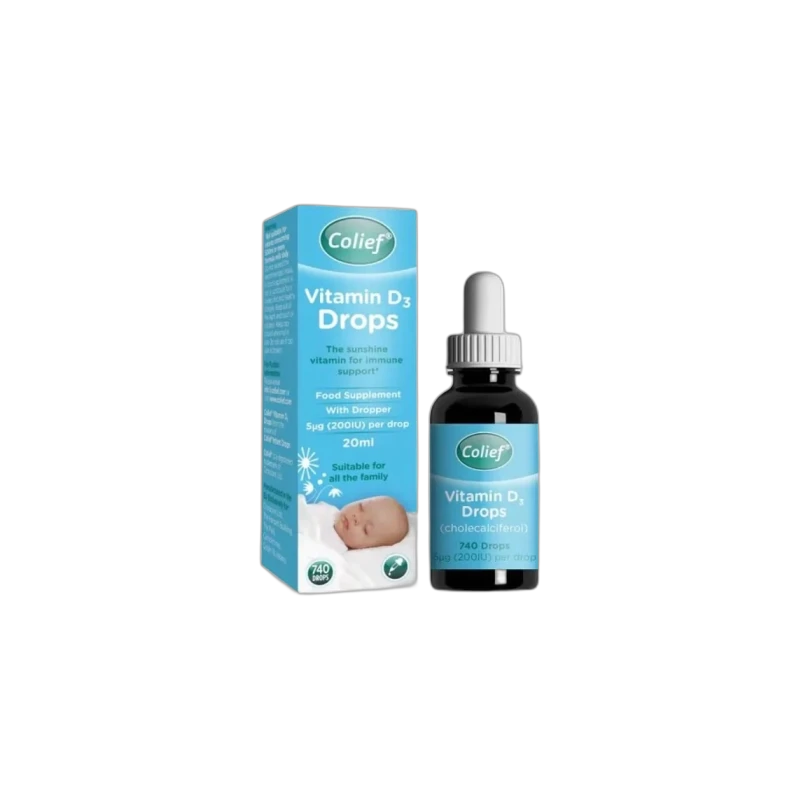
The product from this article
Recommended by DidiColief Vitamin D3 drops 400 IU, 20 ml
Didi: Food supplement with a dropper: 2 drops daily provide 400 IU, and the bottle lasts about a year. No added sugar, colourants or preservatives.
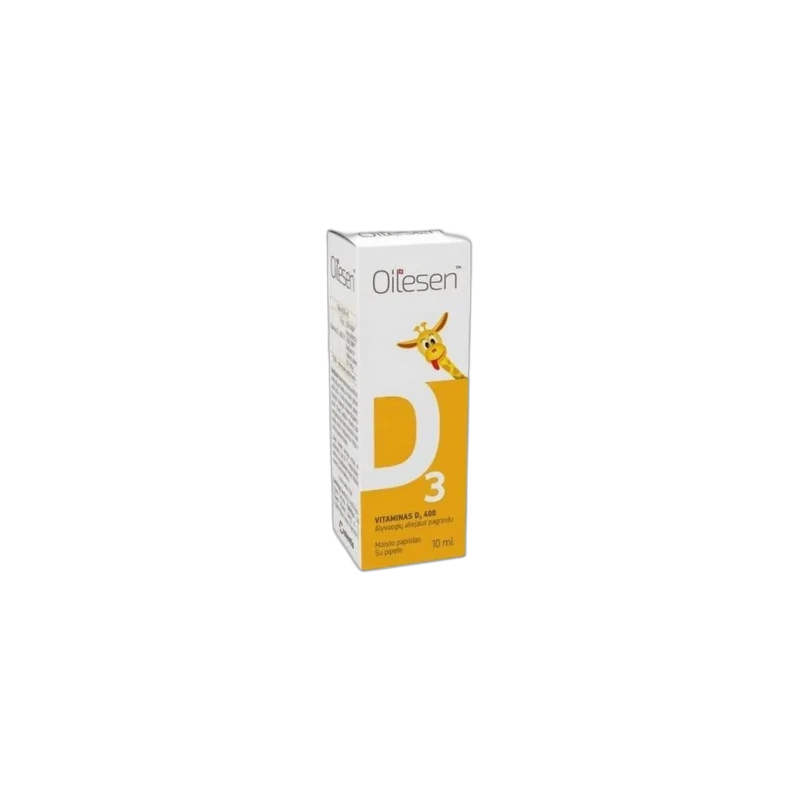
The product from this article
Oilesen Vitamin D3 400 IU drops, 10 ml
Didi: Oil-based food supplement with extra virgin olive oil: 1 drop daily provides 400 IU, easily dosed with the pipette.
What does NOT help, no matter how it is advertised
No syrup, drops or powder "for immunity" has been proven to protect a child from viruses one hundred percent: such proof simply does not exist for any product. The evidence for echinacea, colostrum and most "immunomodulators" in children is weak and conflicting, and some of these products carry real risks - I covered this in detail in my article on herbal supplements in the Myth or Fact section.
Still, there is a nuance I see in pharmacy practice: supplements with vitamin C, zinc and vitamin D have EU-approved claims of contributing to the normal function of the immune system. For beta-glucans and probiotic strains there is no such approved claim, but many parents share that their children had a milder season, with rarer illness and quicker recovery. Products such as Regulatpro Kids, Defendyl and OMNi-BiOTiC Immund have a good composition and frequent positive feedback. The difference is in the expectation: they complement the routine, but do not replace sleep, food and vaccines.
Watch the labels too: if a supplement promises to "protect from all viruses", that is an unlawful health claim. The claims allowed in the EU are strictly limited and sound far more modest.
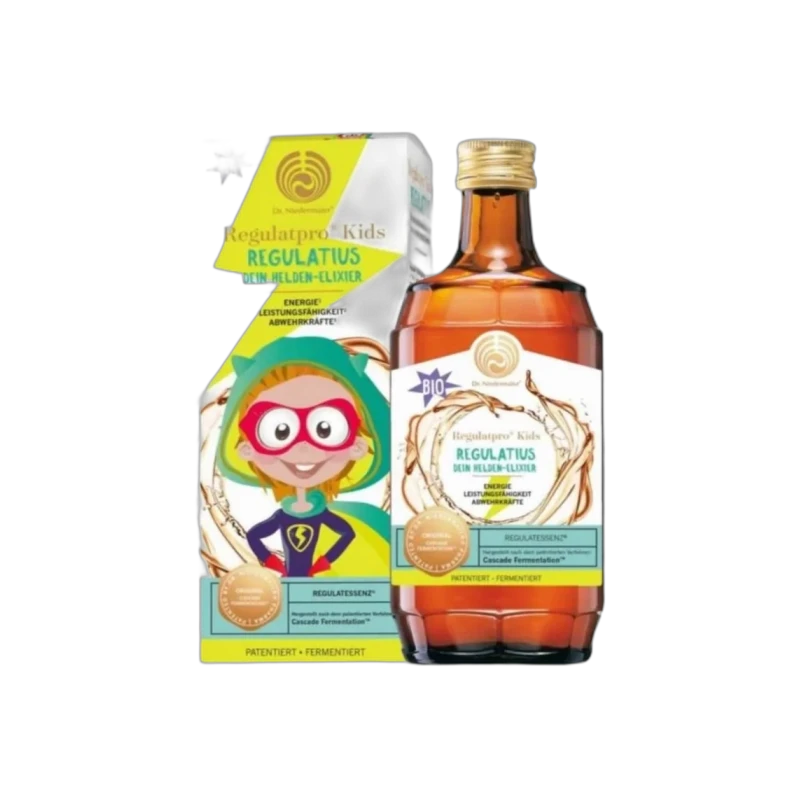
The product from this article
Regulatpro Kids Regulatius solution, 350 ml
Didi: Food supplement with cascade-fermented concentrate and acerola (vitamin C), which contributes to the normal function of the immune system and reduces tiredness in children over 3 years.
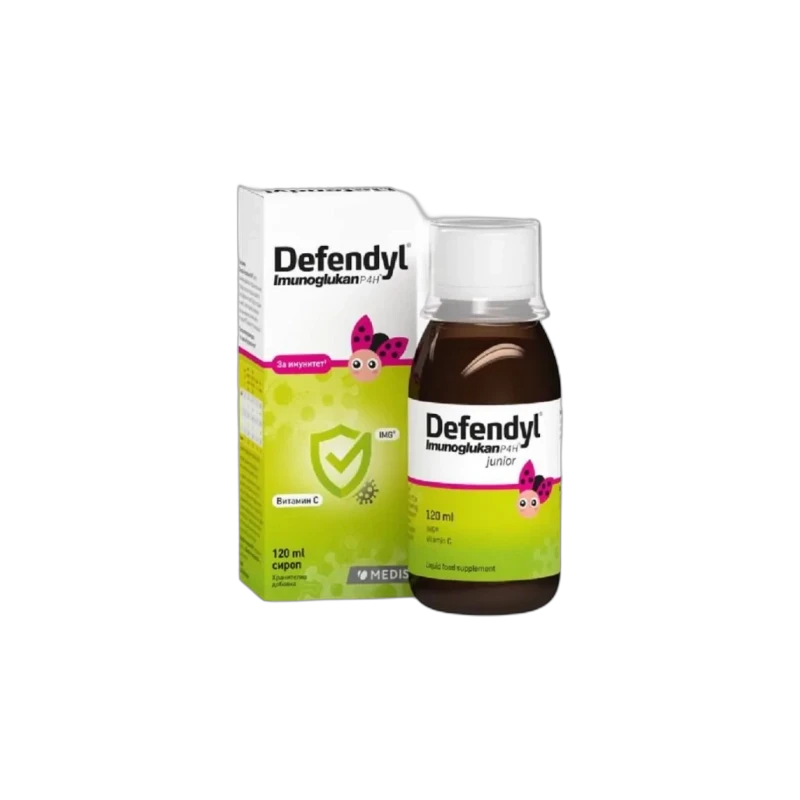
The product from this article
Defendyl syrup with immunoglukan, 120 ml
Didi: Food supplement with beta-glucan from oyster mushroom, vitamin C and zinc. Vitamin C and zinc contribute to the normal function of the immune system. Dosed by body weight in kilograms.
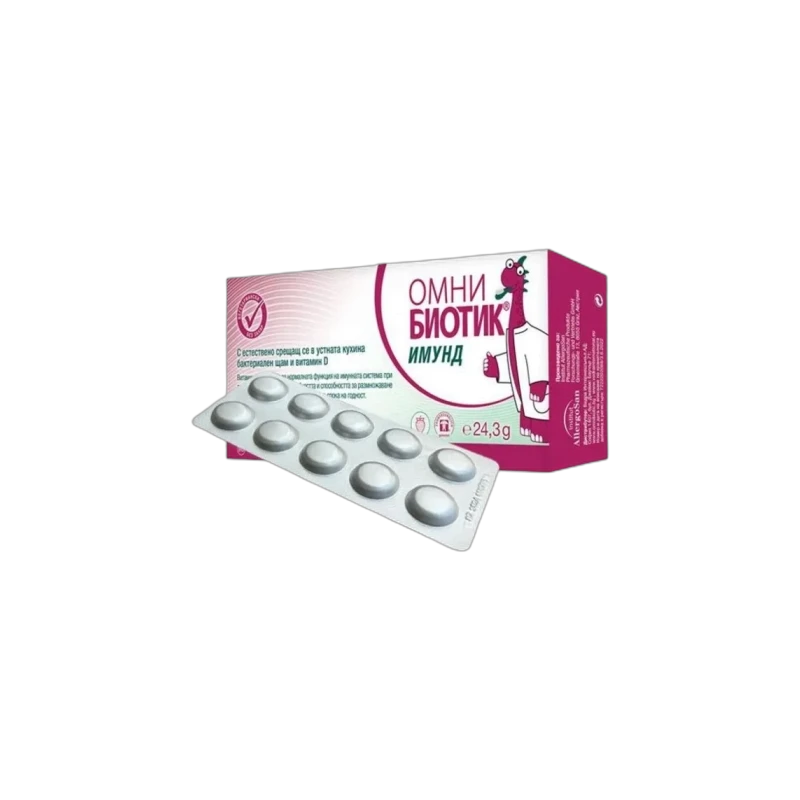
The product from this article
OMNi-BiOTiC Immund lozenges, 30 pcs
Didi: Probiotic supplement with the Streptococcus salivarius K12 strain and vitamin D, which contributes to the normal function of the immune system. There is no approved health claim for the strain itself. For children over 3 years.
A practical plan for September

Weeks before the first day: shift the child back to a kindergarten routine with an early bedtime, establish the "hands first, then breakfast" rule and provide vitamin D as recommended by the paediatrician. Check the vaccination calendar too: vaccines are the only thing with proven preventive power against specific diseases.
And the most important peace of mind: the first two to three months in a group almost always pass under the sign of a runny nose. But if the child has a high fever for more than 3 days, difficulty breathing, refuses food and fluids or is apathetic, that is a reason for the paediatrician, not for waiting.
Sources
This article was written by Donka Arabadzhova, Master of Pharmacy, and confirmed by the following sources: the American Academy of Pediatrics recommendations on children's sleep duration, CDC guidance on hand hygiene for children, the EFSA register of authorised health claims for vitamin D and WHO guidance on physical activity for children.
This article is for informational purposes only and does not replace a consultation with a doctor or pharmacist about your specific condition. The product cards in it lead to pages with affiliate links: if you buy through them, I earn a small commission at no extra cost to you.
I answer personally and free of charge, for information purposes only, without diagnosis and without changes to your therapy.
If this article was useful and you think it will help someone, share it. That is how my work and knowledge reach more people.