
 Dermocosmetics and skin careAugust 14, 20262 min read
Sun protection without myths: what the SPF numbers mean
Author: Donka Arabadzhova, Master of Pharmacy
This article is for informational purposes only and does not replace a consultation with a doctor or pharmacist about your specific condition.
The product cards in it lead to pages with affiliate links: if you buy through them, I earn a small commission at no extra cost to you.
How I choose topics and verify facts, read in the Editorial policy of mom.pharma.
Finding this article useful? Share it: that is how my work and knowledge reach more people.
What SPF actually means
SPF shows how many times longer your skin tolerates the sun without reddening when the product is applied correctly, compared to unprotected skin. SPF 30 means about 30 times, SPF 50+ about 50 times and more.
The important part is that the difference between 30 and 50 is not double protection: SPF 30 blocks about 97 percent of UVB rays and SPF 50+ about 98 percent. For the face, however, I recommend 50+, because the skin there is the most exposed and we most often apply less product than needed.
How much and how often to apply

This is the most common mistake: sunscreen should be applied generously. For the face and neck you need an amount equal to two finger lengths of product. With less, the real protection drops drastically below the number on the packaging.
Reapplication is every 2 hours when outdoors and always after swimming, sweating or towelling, even if the product says “water resistant”.
The product from this article
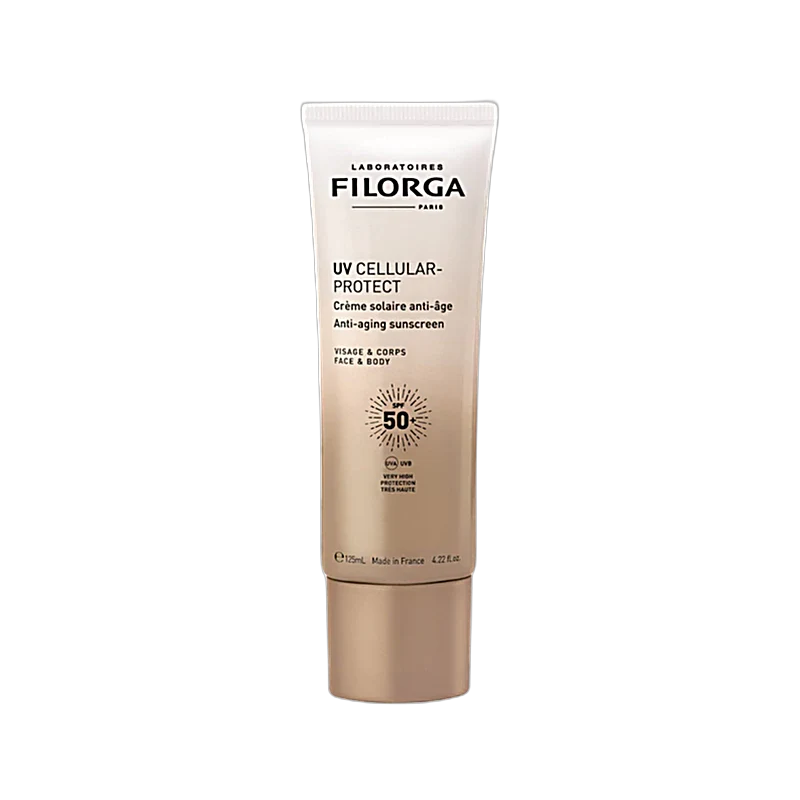
Recommended by DidiFilorga UV-Cellular Protec sunscreen cream for face and body SPF 50+
Didi: High antioxidant protection for face and body that also guards against photoageing, without a heavy feel.
Leads to the product page with an affiliate link: if you buy through it, I earn a commission at no extra cost to you.
The product from this article
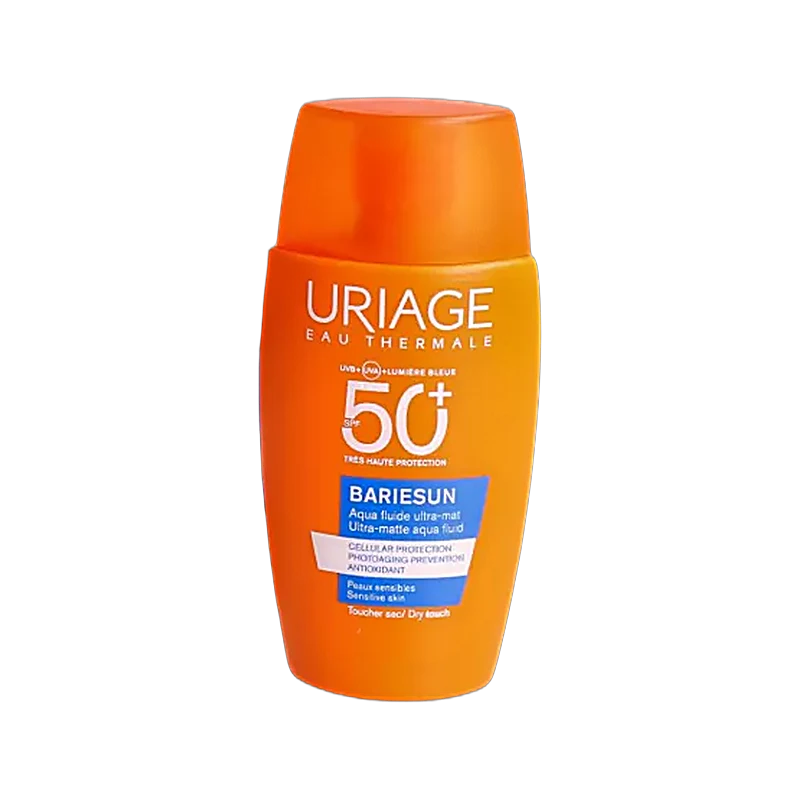
Recommended by DidiUriage Bariesun Ultra Matte mattifying aqua fluid for face SPF 50
Didi: A mattifying fluid for oily and combination skin that leaves no white cast and sits beautifully under make-up.
Leads to the product page with an affiliate link: if you buy through it, I earn a commission at no extra cost to you.
Chemical or mineral filters

The two types of filters work differently, but both are safe and effective in quality products. Chemical filters absorb UV rays and allow lighter textures without a white cast, which makes them more pleasant for everyday use and under make-up.
Mineral filters reflect the rays and are often the preferred choice for very sensitive skin and for children. For the face in everyday city life I most often recommend a light non-comedogenic formula with SPF 50+ that is comfortable to wear, because the best sun protection is the one you will actually apply every day.
Myths it is time to forget
On a cloudy day UV rays still reach the skin, so protection is not skipped. Through glass, UVA rays also pass, so driving and working by a window are also sun exposure.
And finally: sunscreen does not prevent a healthy tan, it makes it safer and more even. And if your skin still gets burnt despite the precautions, see what to do in the first hours after sunburn. If you hesitate which factor suits your skin type, ask me in the chat: I answer personally and free of charge, for information purposes only, without diagnosis and without changes to your therapy.
Sources
This article was written by Donka Arabadzhova, Master of Pharmacy, and confirmed by the following sources: European Commission, Recommendation 2006/647/EC on the efficacy of sunscreen products. American Academy of Dermatology (AAD): recommendations on sunscreen selection, amount and reapplication. DermNet New Zealand: "Polymorphous light eruption", clinical review.
The product from this article
Filorga UV-Cellular Protec sunscreen cream for face and body SPF 50+
Recommended by DidiDidi: High antioxidant protection for face and body that also guards against photoageing, without a heavy feel.
Leads to the product page with an affiliate link: if you buy through it, I earn a commission at no extra cost to you.
The product from this article
Uriage Bariesun Ultra Matte mattifying aqua fluid for face SPF 50
Recommended by DidiDidi: A mattifying fluid for oily and combination skin that leaves no white cast and sits beautifully under make-up.
Leads to the product page with an affiliate link: if you buy through it, I earn a commission at no extra cost to you.
This article is for informational purposes only and does not replace a consultation with a doctor or pharmacist about your specific condition. The product cards in it lead to pages with affiliate links: if you buy through them, I earn a small commission at no extra cost to you.
I answer personally and free of charge, for information purposes only, without diagnosis and without changes to your therapy.
If this article was useful and you think it will help someone, share it. That is how my work and knowledge reach more people.