 Dermocosmetics and skin careSeptember 16, 20269 min read
Dark spots on the skin: melasma, sun spots and marks after acne, and the care that actually fades them
Author: Donka Arabadzhova, Master of Pharmacy
This article is for informational purposes only and does not replace a consultation with a doctor or pharmacist about your specific condition.
The product cards in it lead to pages with affiliate links: if you buy through them, I earn a small commission at no extra cost to you.
How I choose topics and verify facts, read in the Editorial policy of mom.pharma.
Finding this article useful? Share it: that is how my work and knowledge reach more people.
The spot that will not go away
In the pharmacy, two questions about dark spots come up almost every week. The first: I developed brown patches on my cheekbones after giving birth, give me a cream to remove them. The second: a pimple went down and then healed, but a brown mark stayed in its place for months. In both cases people want the same thing: something that wipes the spot away quickly. Reality is more complex, but also more hopeful: spots fade significantly when we know which type they are and when we stay consistent.
What all brown spots share is melanin, the pigment that melanocyte cells produce to shield the skin from the sun. When these cells become overactive in one area, driven by ultraviolet light, hormones or inflammation, excess pigment builds up there and a brown spot appears. The different types of pigmentation have different origins and therefore respond differently to care.
The types of pigmentation: what is what
Post-inflammatory pigmentation is the most common reason people ask for help at the pharmacy. It is the brown mark left behind by a pimple, eczema, an insect bite, a burn or an aggressive procedure. Inflammation stimulates the melanocytes and they leave an imprint darker than the surrounding skin. In darker phototypes these marks are more pronounced and last longer. The good news is that this type fades most predictably, as long as no new inflammation is triggered and the skin is shielded from the sun.
Solar lentigines, often called age spots, are flat brown patches on the face, hands and décolletage, the result of sun accumulated over the years. They are benign and removing them is a purely cosmetic decision, but they are a reliable marker of photoaging. Freckles are hereditary, appear in childhood, darken in summer and fade in winter, and they are a completely normal feature that requires nothing but protection.
Melasma is the most stubborn form: symmetrical brown patches on the cheekbones, forehead and above the upper lip, almost always in women.
Melasma: hormones, sun and visible light

Melasma, often called the mask of pregnancy, appears mostly during pregnancy or while taking hormonal contraceptives, but hormones are only part of the equation. It is a chronic condition in which melanocytes are hypersensitive: a little sun, heat or even blue-violet visible light is enough to reactivate them. That is why for many women the patches return every summer, even when they have almost disappeared in winter.
This needs to be said clearly: melasma is a medical condition and the diagnosis is made by a dermatologist. More severe forms respond to combination therapy with prescription ingredients such as hydroquinone, tretinoin and a corticosteroid, prescribed and monitored by a doctor, with improvement in 60 to 80% of patients according to review studies. Hydroquinone is not a cosmetic ingredient and in the European Union it is dispensed only with a prescription.
Pharmacy skincare has a real role in melasma, but it is a supporting one: strict protection from sun and visible light, brightening ingredients available without a prescription, and patience. The products below are part of such a routine, not a substitute for a dermatologist.
Sun protection: the foundation nothing works without
Every plan against pigmentation starts and ends with sun protection. Ultraviolet light activates melanocytes and brings spots back within weeks, even after months of treating and fading them. So with dark spots an SPF 50+ with high UVA protection goes on every morning and is reapplied every 2 hours all year round, not only at the beach. Clouds block only a small part of UVA rays, and a car or office window lets almost all of them through.
With melasma there is a detail few people know: visible light darkens the patches too. Transparent filters do not stop it. The only option with real study data against it is tinted sunscreen with iron oxides, the kind with a light foundation-like tint. If you have melasma, look specifically for a tinted formula. I wrote about choosing a texture and the right amount in the article on sunscreen textures, and I explain what the numbers on the packaging mean in the article about SPF.
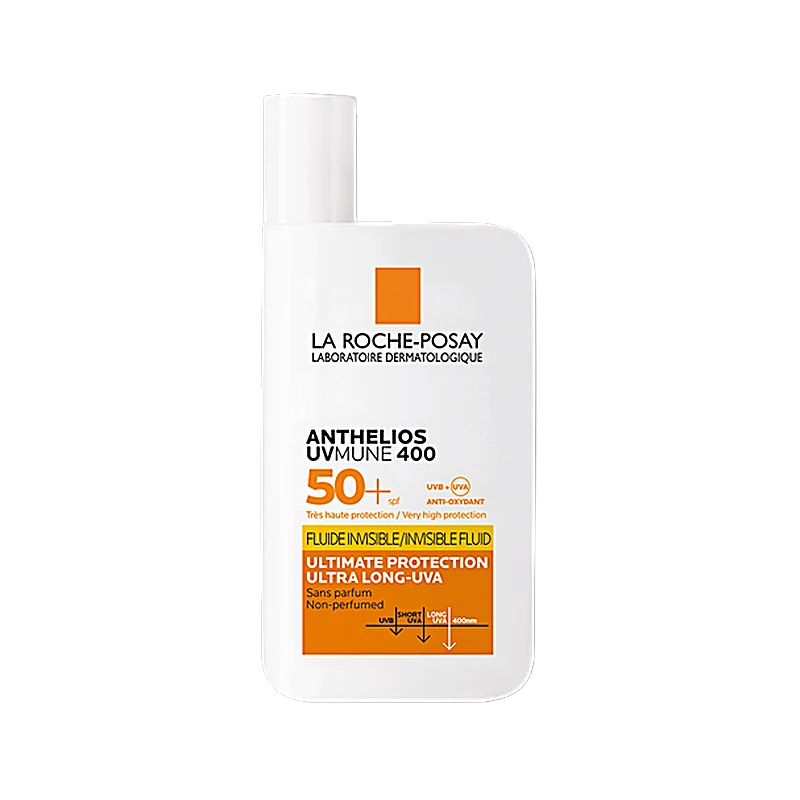
The product from this article
Recommended by DidiLa Roche-Posay Anthelios UVMUNE 400 invisible fluid SPF 50+, 50 ml
Didi: An invisible fluid with very high UVA protection (UVA-PF 46) that sits comfortably on the face and under make-up.
Leads to the product page with an affiliate link: if you buy through it, I earn a commission at no extra cost to you.
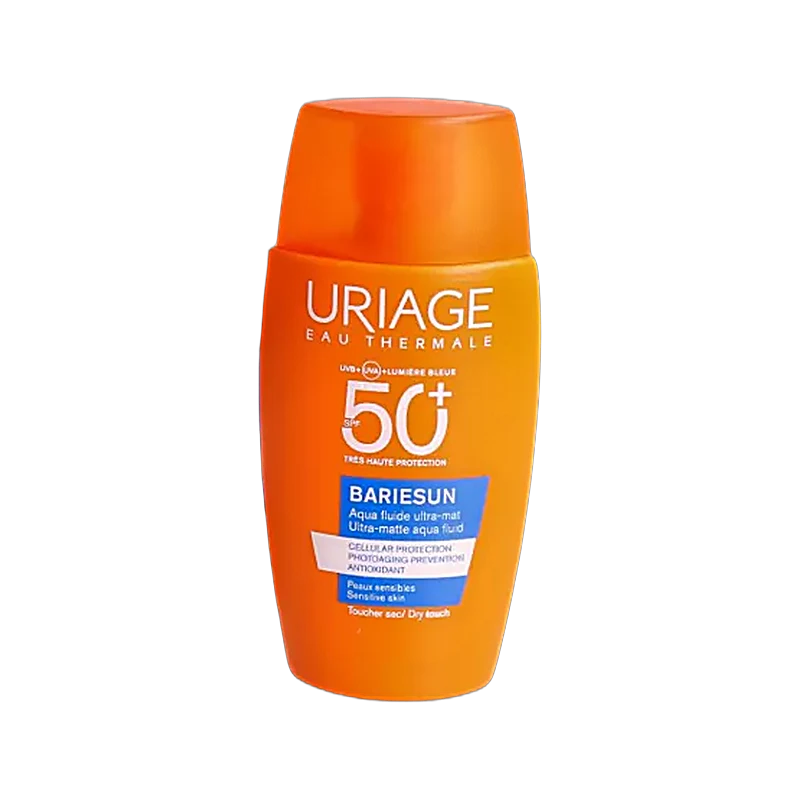
The product from this article
Recommended by DidiUriage Bariesun Ultra Matte mattifying aqua fluid for face SPF 50
Didi: A mattifying fluid for oily and combination skin that leaves no white cast and sits beautifully under make-up.
Leads to the product page with an affiliate link: if you buy through it, I earn a commission at no extra cost to you.
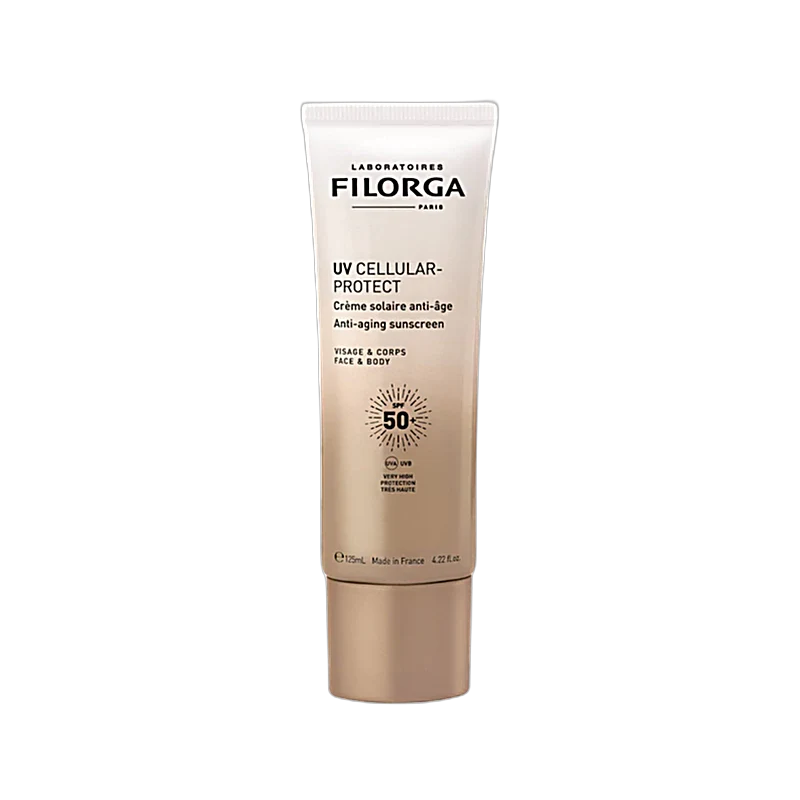
The product from this article
Recommended by DidiFilorga UV-Cellular Protec sunscreen cream for face and body SPF 50+
Didi: High antioxidant protection for face and body that also guards against photoageing, without a heavy feel.
Leads to the product page with an affiliate link: if you buy through it, I earn a commission at no extra cost to you.
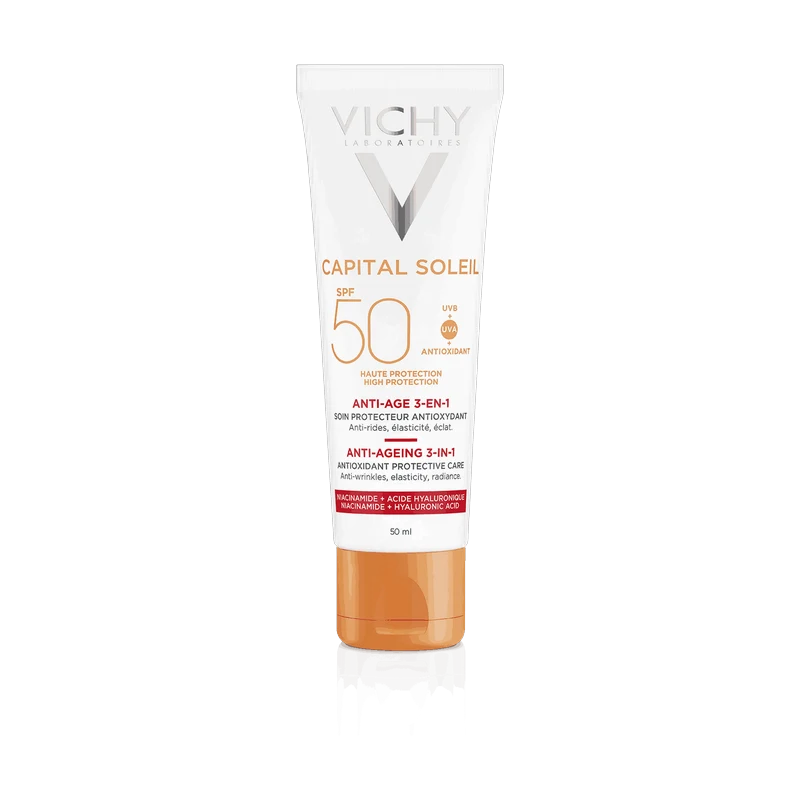
The product from this article
Vichy Capital Soleil Anti-Age face sunscreen SPF 50, 50 ml
Didi: A face sunscreen with antioxidants, made for skin where the sun already leaves marks. With dark spots it is essential, because every unprotected exposure darkens them again.
Leads to the product page with an affiliate link: if you buy through it, I earn a commission at no extra cost to you.
Ingredients with data behind them: what does what
Niacinamide at 2 to 5 percent reduces the transfer of pigment granules from melanocytes to skin cells and has good data in post-inflammatory pigmentation. It also soothes and regulates sebum, which makes it a convenient choice for skin where pimples appear and leave marks at the same time. Tranexamic acid is the newer name in pharmacy skincare: applied topically, it acts on the signals through which inflammation and light activate melanocytes, and that is why it is used mainly for melasma.
Azelaic acid does double duty on post-acne marks: it suppresses both inflammation and pigment production, and it is the only active on this list considered suitable during pregnancy. Glycolic acid speeds up the renewal of the surface layer where part of the pigment sits and fades marks faster, but overdoing it can create new inflammation and new spots. Vitamin C brightens the complexion and reinforces the defence against free radicals generated by sunlight.
Retinoids accelerate cell renewal and are among the most studied ingredients for pigmentation, but they are not used during pregnancy. If you are considering retinol, start with the scheme from the article on starting retinol safely. A combination of several of these ingredients, plus the mandatory sunscreen, gives a better result than any single one alone.
The product from this article
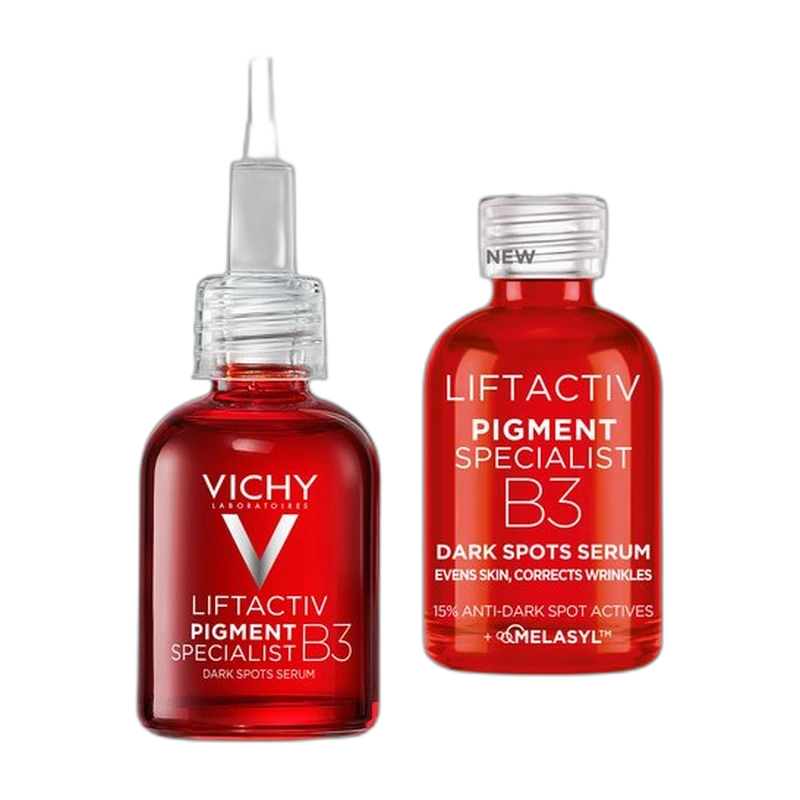
Recommended by DidiVichy Liftactiv Specialist anti-dark spot face serum, 30 ml
Didi: A niacinamide serum targeting uneven tone and dark spots. Results build over weeks, and daily sun protection is a must.
Leads to the product page with an affiliate link: if you buy through it, I earn a commission at no extra cost to you.
The product from this article
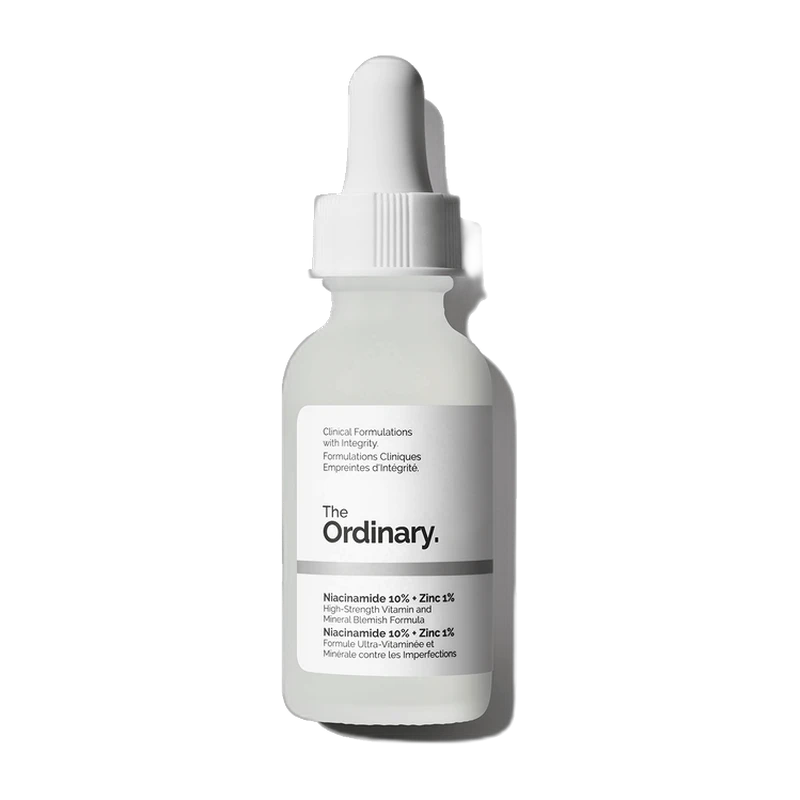
Recommended by DidiThe Ordinary Niacinamide 10% + Zinc 1% brightening face serum, 30 ml
Didi: A serum with 10% niacinamide and 1% zinc for oily skin prone to blemishes. Start once daily and patch test on first use.
Leads to the product page with an affiliate link: if you buy through it, I earn a commission at no extra cost to you.
The product from this article
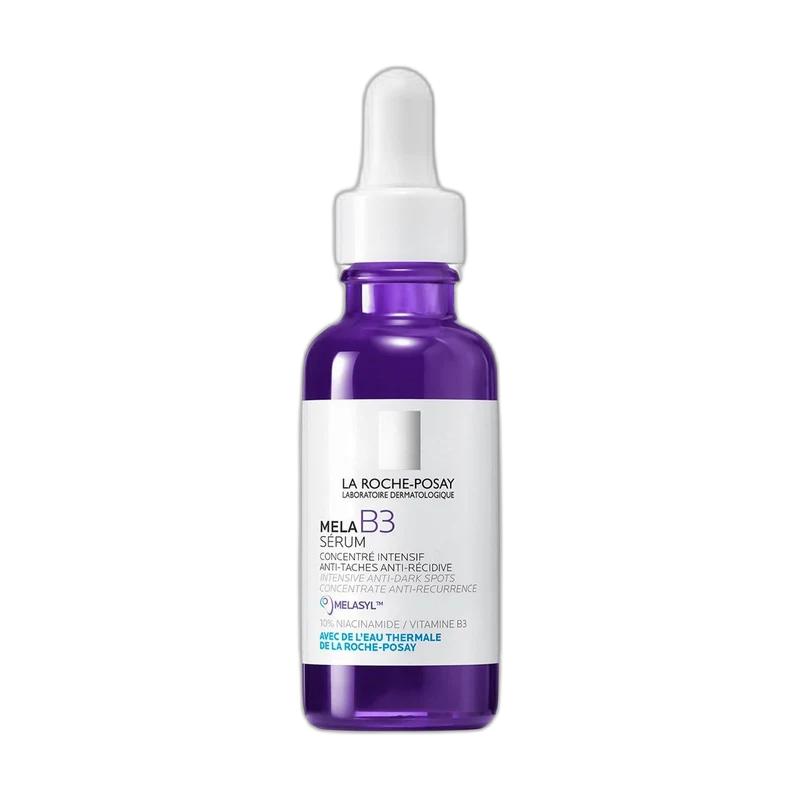
La Roche-Posay Mela B3 face serum for hyperpigmented skin, 30 ml
Didi: A serum with Melasyl and 10% niacinamide, targeting stubborn dark spots, including marks left by blemishes. Results are measured in weeks, not days.
Leads to the product page with an affiliate link: if you buy through it, I earn a commission at no extra cost to you.
The product from this article
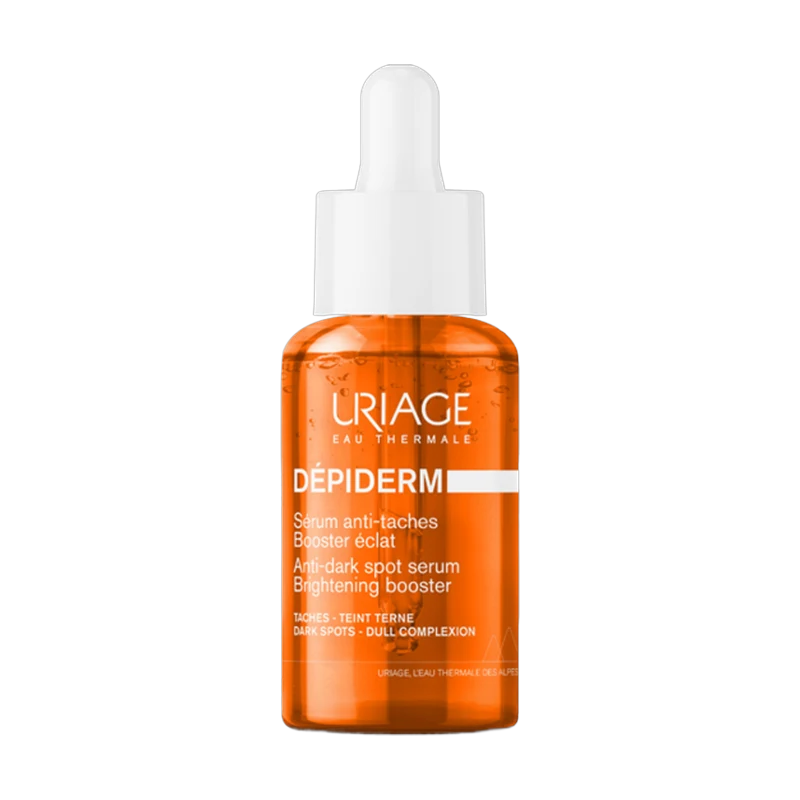
Uriage Depiderm brightening booster serum against dark spots, 30 ml
Didi: A brightening serum with a vitamin C complex and niacinamide for a more even, radiant tone. Suitable for sensitive skin too, fragrance free.
Leads to the product page with an affiliate link: if you buy through it, I earn a commission at no extra cost to you.
The product from this article
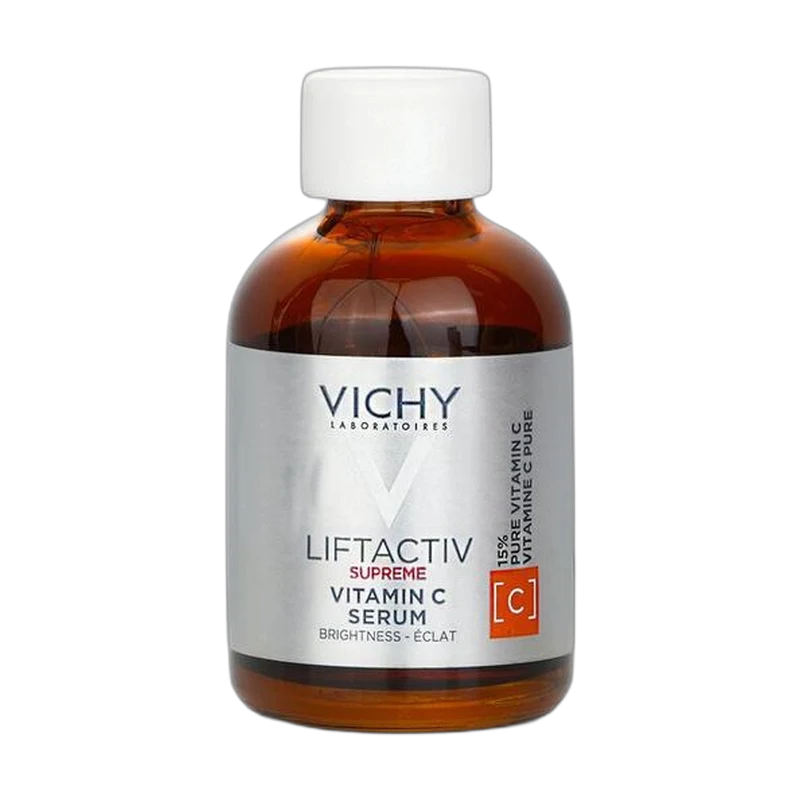
Vichy Liftactiv Supreme brightening face serum with vitamin C, 20 ml
Didi: A concentrated serum with 15% pure vitamin C for a brighter tone and first wrinkles. Keep it away from light and use it within a few months of opening.
Leads to the product page with an affiliate link: if you buy through it, I earn a commission at no extra cost to you.
Cleansing: the first step that prepares everything else

For skin with spots, cleansing has one main job: to remove make-up, sunscreen and impurities without rubbing and without drying. Every mechanical irritation, from a rough towel to an abrasive scrub, is a micro-inflammation, and inflammation is exactly what provokes the appearance of the spot. So micellar water and a soft milk win over soap and a face brush.
In the evening cleanse in two steps when you wear make-up or a water-resistant sunscreen: first micellar water or an oil, then a gentle gel or milk. In the morning a single wash with cool water or a small amount of cleanser is enough. Pat dry instead of rubbing, and apply the serum to slightly damp skin, because the moisture helps the next ingredients absorb better.
The product from this article
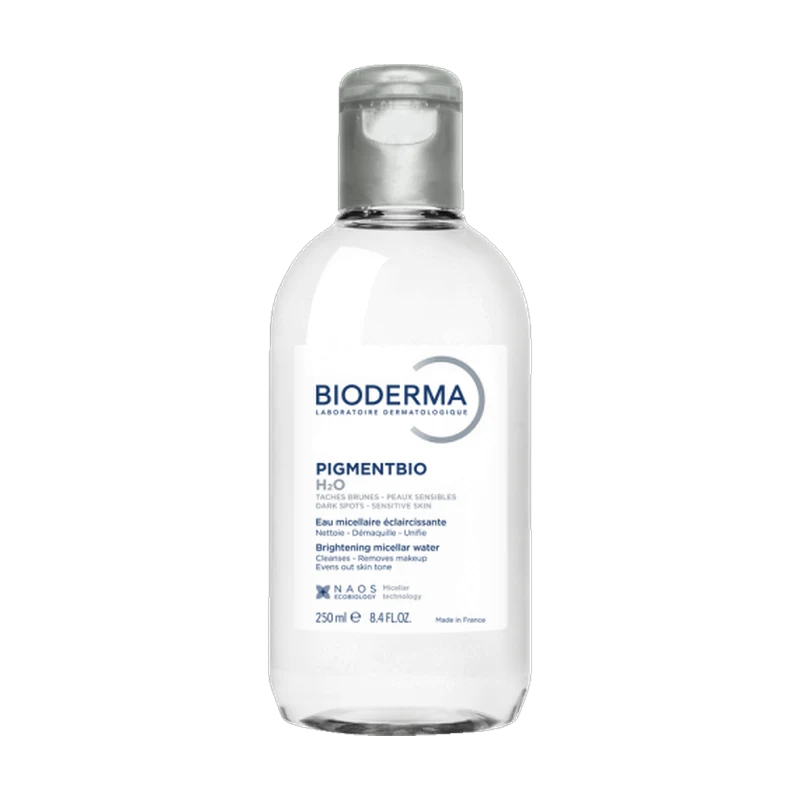
Bioderma Pigmentbio H2O brightening micellar water for dark spots, 250 ml
Didi: A micellar water for skin with dark spots that cleanses without rubbing and without drying. A good first step before a brightening serum.
Leads to the product page with an affiliate link: if you buy through it, I earn a commission at no extra cost to you.
The creams that work through the night and the day
The serum carries the concentrated ingredients, but the cream closes the routine: it locks in the moisture, calms the barrier and often adds its own share of actives. Night creams with glycolic or another AHA acid speed up the renewal of the surface layer, where part of the pigment sits, and this is what makes the skin look smoother in the morning. Use them in the evening only, and do not layer them over an acid serum on the same night.
During the day pick a hydrating or brightening cream that sits well under sunscreen. If your skin is more sensitive, alternate the nights with acids with recovery-only nights, for example with a cream with niacinamide or centella. Spots fade faster on calm skin than on skin that constantly fights irritation.
The product from this article
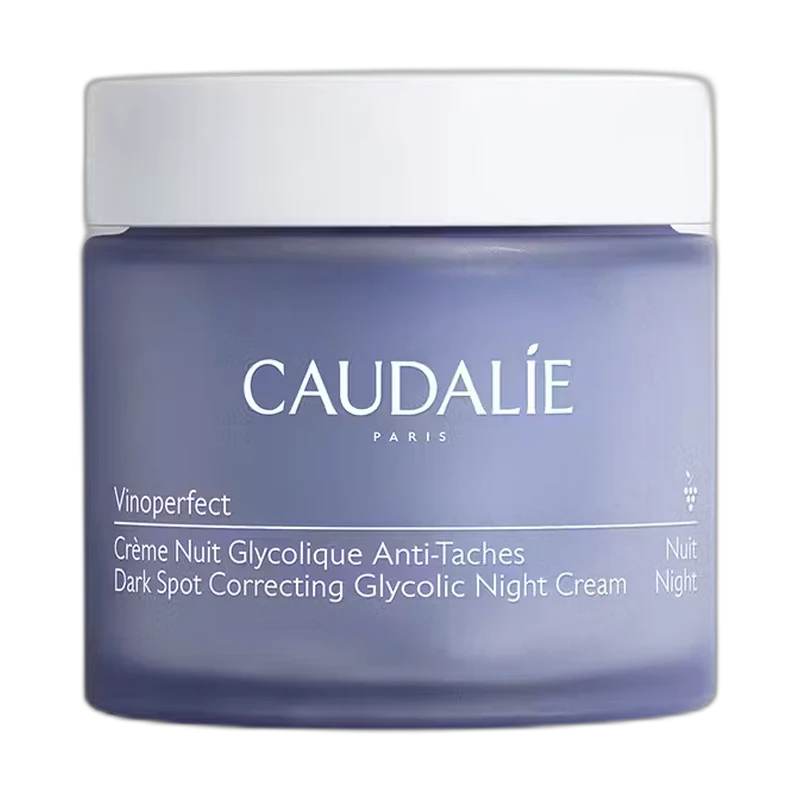
Caudalie Vinoperfect glycolic night cream for dark spots, 50 ml
Didi: A night cream combining viniferine with glycolic acid and a papaya enzyme for a more even tone. It works while you sleep, and in the morning the skin needs sunscreen.
Leads to the product page with an affiliate link: if you buy through it, I earn a commission at no extra cost to you.
The product from this article
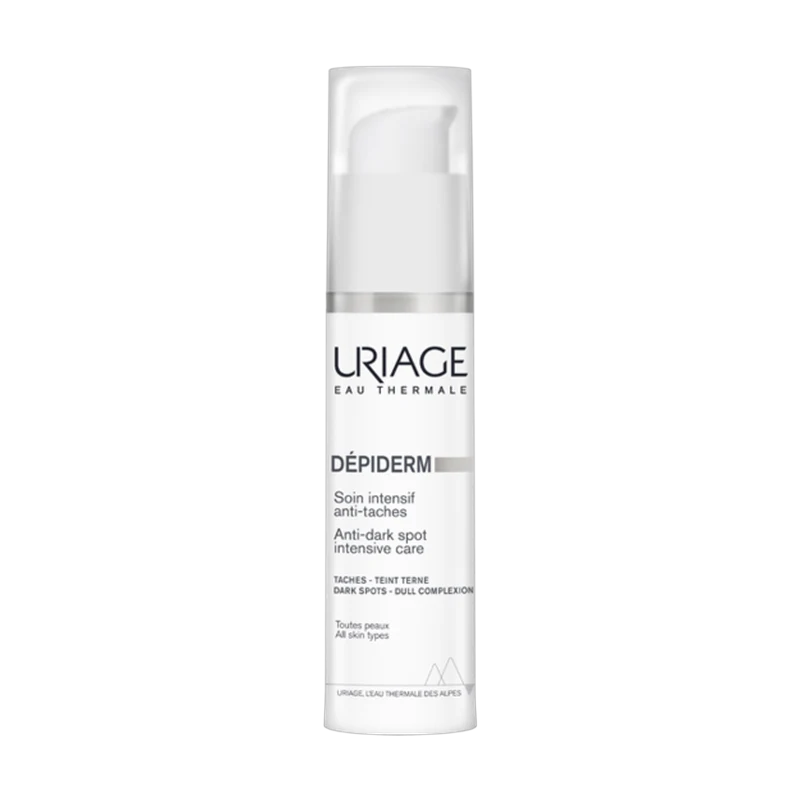
Uriage Depiderm intensive anti-dark spot care, 30 ml
Didi: An intensive cream with 3% pure AHA acids and vitamin C for localised spots. Use it consistently and do not skip sunscreen during the day.
Leads to the product page with an affiliate link: if you buy through it, I earn a commission at no extra cost to you.
How long it takes and what to expect

Pigment sits in layers that renew slowly. Surface marks left by acne fade within two to three months of consistent care, deeper ones take half a year or more. Melasma never disappears permanently, but it can be reduced to a barely visible background that stays under control with the routine. Anyone promising complete disappearance in two weeks is selling an illusion.
In-office procedures such as chemical peels and lasers deliver results for lentigines and stubborn pigmentation, but with melasma and darker phototypes they carry a risk of the opposite effect: new, stronger pigmentation after the procedure. For that reason they are a dermatologist's decision, not a beauty salon's, and they almost always go together with topical therapy and protection. And something often overlooked: as long as breakouts continue, the acne is stopped first and the marks are faded afterwards. The article on acne-prone skin helps with that.
The mistakes that bring the spots back
The first: a brightening serum at night and no sunscreen in the morning. That is like lifting luggage with one hand and dropping it with the other. The second: aggressive scrubs and brushes against the spots. Rubbing creates micro-inflammation, and micro-inflammation creates new pigment. The third: home recipes with lemon juice. Lemon on the skin plus sun is a classic cause of phytophotodermatitis, a severe burn with lasting dark marks. The fourth: squeezing the pimples, which turns a light mark into a deep spot.
And the fifth mistake is impatience: the serum gets abandoned in the third week, exactly when the skin is just beginning to renew. A pigmentation routine is judged at week eight to twelve, not on day ten.
When to see a doctor

The spots discussed here are benign. But there are spots that should not be watched at home. See a dermatologist without delay if any spot is growing, changing colour or shape, has uneven borders, several colours within it, itches, bleeds, or looks visibly different from your other spots. These are the classic warning signs by which every new or changing pigmented lesion is examined in order to rule out melanoma. No cream is an alternative to that examination.
You also go to a dermatologist when you suspect melasma, when spots do not respond to three months of consistent care, and when you are pregnant or breastfeeding, because the choice of ingredients is limited then.
Tips from practice
Photograph the spot under the same light once a month: the eyes deceive, the photo does not. Sunscreen is reapplied every two to three hours when outdoors, one morning application is not enough. A wide-brimmed hat in summer protects as much as several creams combined. And do not forget the hands and décolletage: that is where lentigines appear first.
If you are wondering which ingredient suits your type of spot or how to arrange your routine, write to me in the chat: I answer personally and free of charge, for informational purposes, without diagnosis and without changing prescribed therapy.
Sources
This article was written by Donka Arabadzhova, Master of Pharmacy, and confirmed by the following sources: DermNet NZ: melasma, causes, visible light and current treatment options; DermNet NZ: solar lentigo; Review on photoprotection in pigmentary disorders: the role of visible light and iron oxides; Review of post-inflammatory hyperpigmentation: niacinamide, topical agents and photoprotection; American Academy of Dermatology (AAD): melasma overview.
The product from this article
Vichy Liftactiv Specialist anti-dark spot face serum, 30 ml
Recommended by DidiDidi: A niacinamide serum targeting uneven tone and dark spots. Results build over weeks, and daily sun protection is a must.
Leads to the product page with an affiliate link: if you buy through it, I earn a commission at no extra cost to you.
The product from this article
The Ordinary Niacinamide 10% + Zinc 1% brightening face serum, 30 ml
Recommended by DidiDidi: A serum with 10% niacinamide and 1% zinc for oily skin prone to blemishes. Start once daily and patch test on first use.
Leads to the product page with an affiliate link: if you buy through it, I earn a commission at no extra cost to you.
The product from this article
La Roche-Posay Mela B3 face serum for hyperpigmented skin, 30 ml
Didi: A serum with Melasyl and 10% niacinamide, targeting stubborn dark spots, including marks left by blemishes. Results are measured in weeks, not days.
Leads to the product page with an affiliate link: if you buy through it, I earn a commission at no extra cost to you.
The product from this article
Uriage Depiderm brightening booster serum against dark spots, 30 ml
Didi: A brightening serum with a vitamin C complex and niacinamide for a more even, radiant tone. Suitable for sensitive skin too, fragrance free.
Leads to the product page with an affiliate link: if you buy through it, I earn a commission at no extra cost to you.
The product from this article
Vichy Liftactiv Supreme brightening face serum with vitamin C, 20 ml
Didi: A concentrated serum with 15% pure vitamin C for a brighter tone and first wrinkles. Keep it away from light and use it within a few months of opening.
Leads to the product page with an affiliate link: if you buy through it, I earn a commission at no extra cost to you.
The product from this article
Bioderma Pigmentbio H2O brightening micellar water for dark spots, 250 ml
Didi: A micellar water for skin with dark spots that cleanses without rubbing and without drying. A good first step before a brightening serum.
Leads to the product page with an affiliate link: if you buy through it, I earn a commission at no extra cost to you.
The product from this article
Caudalie Vinoperfect glycolic night cream for dark spots, 50 ml
Didi: A night cream combining viniferine with glycolic acid and a papaya enzyme for a more even tone. It works while you sleep, and in the morning the skin needs sunscreen.
Leads to the product page with an affiliate link: if you buy through it, I earn a commission at no extra cost to you.
The product from this article
Uriage Depiderm intensive anti-dark spot care, 30 ml
Didi: An intensive cream with 3% pure AHA acids and vitamin C for localised spots. Use it consistently and do not skip sunscreen during the day.
Leads to the product page with an affiliate link: if you buy through it, I earn a commission at no extra cost to you.
The product from this article
La Roche-Posay Anthelios UVMUNE 400 invisible fluid SPF 50+, 50 ml
Recommended by DidiDidi: An invisible fluid with very high UVA protection (UVA-PF 46) that sits comfortably on the face and under make-up.
Leads to the product page with an affiliate link: if you buy through it, I earn a commission at no extra cost to you.
The product from this article
Filorga UV-Cellular Protec sunscreen cream for face and body SPF 50+
Recommended by DidiDidi: High antioxidant protection for face and body that also guards against photoageing, without a heavy feel.
Leads to the product page with an affiliate link: if you buy through it, I earn a commission at no extra cost to you.
The product from this article
Uriage Bariesun Ultra Matte mattifying aqua fluid for face SPF 50
Recommended by DidiDidi: A mattifying fluid for oily and combination skin that leaves no white cast and sits beautifully under make-up.
Leads to the product page with an affiliate link: if you buy through it, I earn a commission at no extra cost to you.
The product from this article
Vichy Capital Soleil Anti-Age face sunscreen SPF 50, 50 ml
Didi: A face sunscreen with antioxidants, made for skin where the sun already leaves marks. With dark spots it is essential, because every unprotected exposure darkens them again.
Leads to the product page with an affiliate link: if you buy through it, I earn a commission at no extra cost to you.
This article is for informational purposes only and does not replace a consultation with a doctor or pharmacist about your specific condition. The product cards in it lead to pages with affiliate links: if you buy through them, I earn a small commission at no extra cost to you.
I answer personally and free of charge, for information purposes only, without diagnosis and without changes to your therapy.
If this article was useful and you think it will help someone, share it. That is how my work and knowledge reach more people.