
 Dermocosmetics and skin careSeptember 19, 202612 min read
Hair loss in women and men: causes, tests and what actually helps
Author: Donka Arabadzhova, Master of Pharmacy
This article is for informational purposes only and does not replace a consultation with a doctor or pharmacist about your specific condition.
The product cards in it lead to pages with affiliate links: if you buy through them, I earn a small commission at no extra cost to you.
How I choose topics and verify facts, read in the Editorial policy of mom.pharma.
Finding this article useful? Share it: that is how my work and knowledge reach more people.
The same question in the pharmacy, asked by two different people
Within a single week at the counter two people came with the same question, phrased almost identically: is this normal. The first was a young mother five months after giving birth, who showed me a photo of her shower drain after every wash. The second was a 27-year-old man who had noticed in wedding photos that his temples had receded compared to two years earlier. Both expected the same answer and received two different ones, because behind the word hair loss stand at least four different mechanisms.
This article is for women and men at the same time, because some causes are shared by both sexes while others are specific. We will look at the norm, the types of hair loss, the tests that come first, what minoxidil can realistically do, when supplements make sense and when they mislead, and which signs call for a doctor rather than one more shampoo.
How many hairs a day are normal and how hair grows
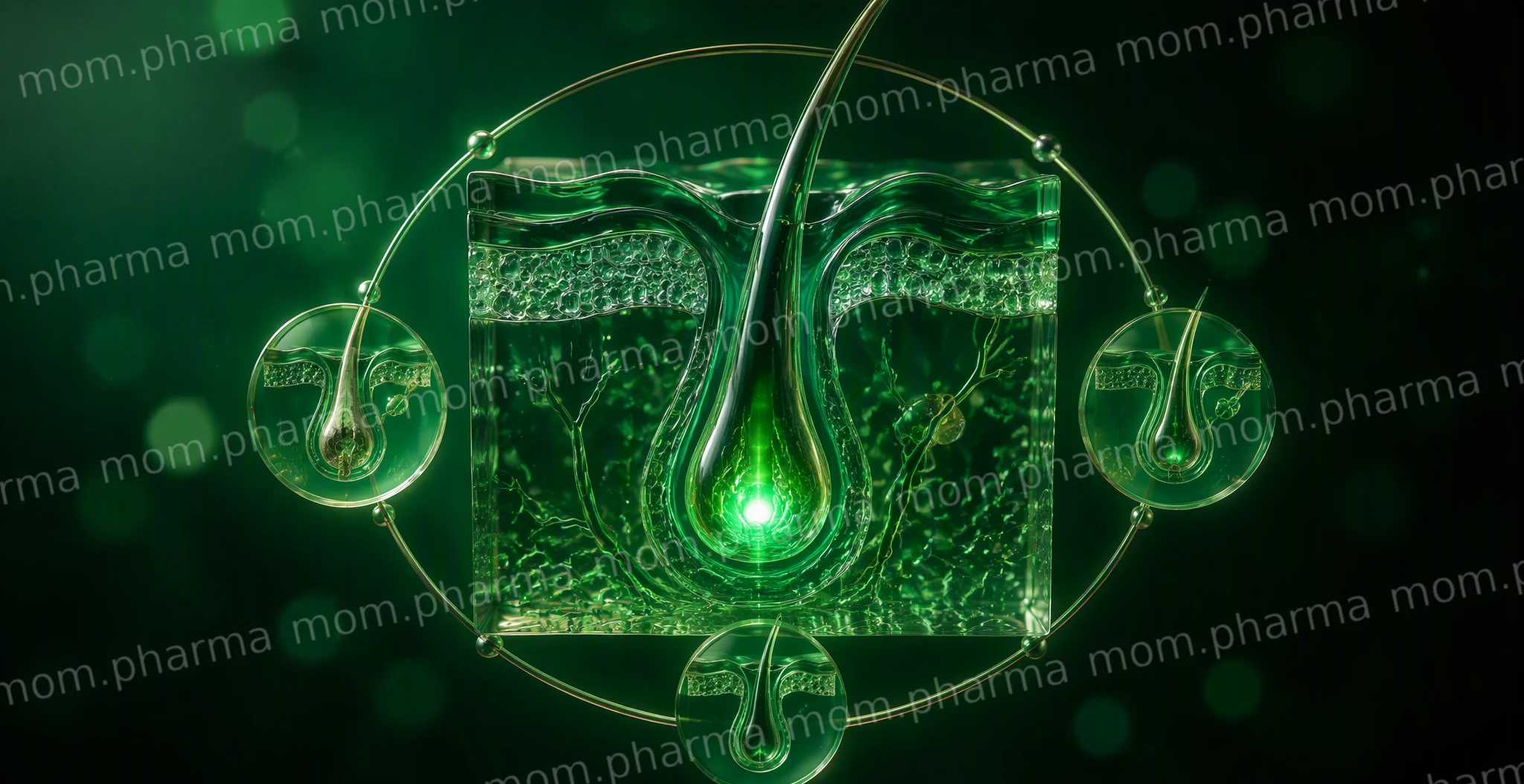
A healthy scalp normally loses 50 to 100 hairs daily and that is the price of renewal. The hair you see in the drain left the follicle weeks earlier, and washing simply rinses away hairs that have already detached. If you wash your hair more rarely, on wash day you will see what has collected over several days at once, and the amount looks frightening without being abnormal.
Every follicle lives in cycles: a growth phase (anagen) lasting between 2 and 7 years, in which about 85 to 90% of the hairs are at any moment, a short transitional phase (catagen) of two to three weeks, and a resting phase (telogen) of about three months, after which the hair is shed. The conclusion is simple but important: what damages the follicles today leads to hair loss in two or three months. That is exactly why my first question to patients is always: what happened in your life three months ago?
The four main types of hair loss: how do we tell them apart?
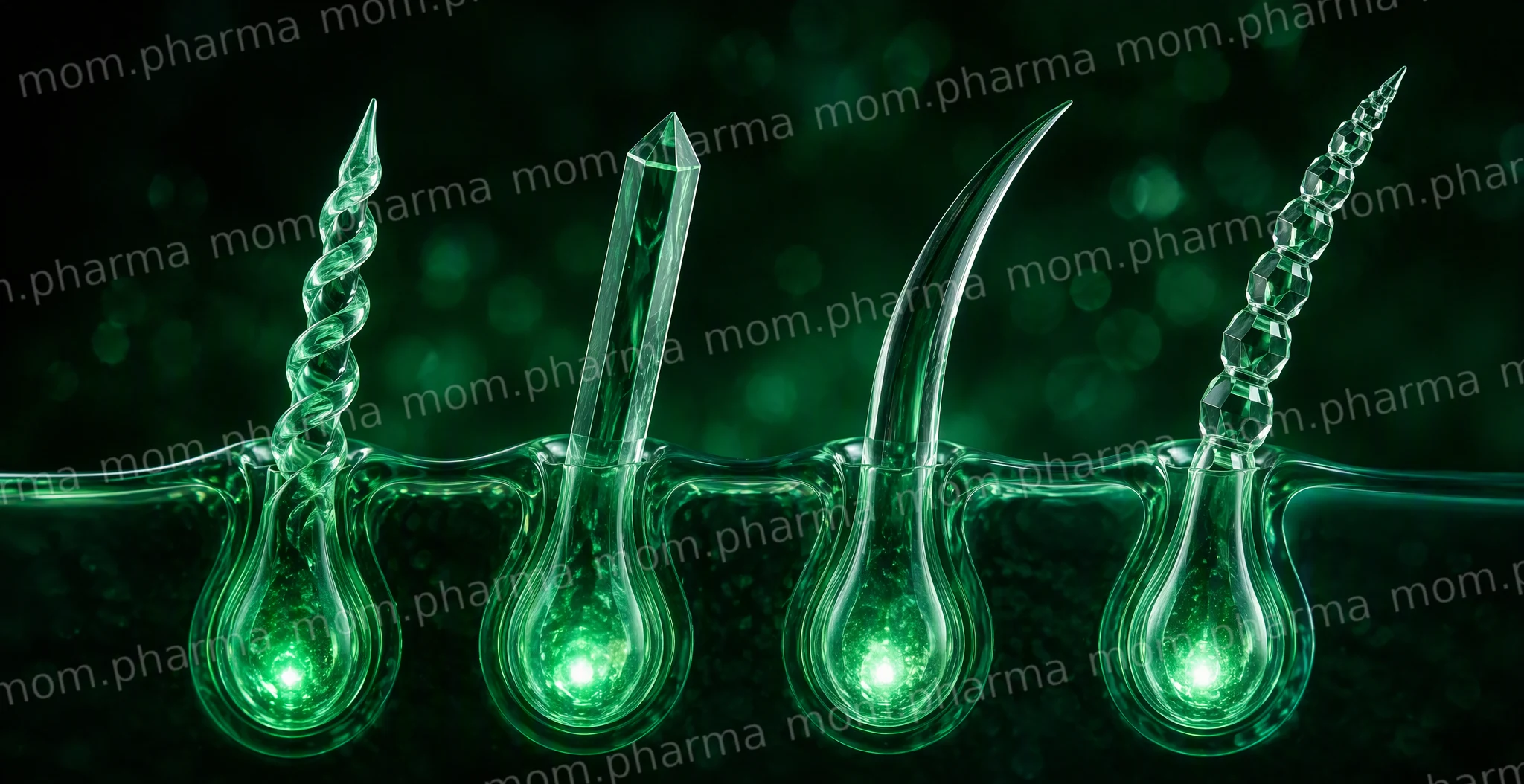
Very different causes can stand behind thinning hair. These are the four most commonly seen forms of hair loss and how to tell them apart.
Androgenetic alopecia (genetic hair loss). In this type the follicles are genetically sensitive to the male hormones (androgens). The process affects both sexes but looks different. In men the thinning starts at the temples and the crown and can progress to complete baldness of the upper part of the head. In women the hairline over the forehead is usually preserved, but the hair on the crown thins evenly (diffusely), the parting widens and the scalp starts to show through.
What happens to the hair? The follicles do not die immediately; they shrink (miniaturise). Each following hair grows thinner and shorter than the previous one. That is why the earlier treatment starts, the more hair will be saved.
Telogen effluvium (temporary hair loss). This is an even shedding of hair from the whole head. It appears with a delay, about two to three months after a specific stress on the body, such as high fever or infection, surgery or a harsh diet, severe stress or childbirth.
What happens to the hair? The hairs move en masse into the resting phase (telogen) and shed simultaneously a few months later. The good news is that the process limits itself: once the stress factor has passed, the hair recovers fully within 6 to 12 months, even without special treatment.
Alopecia areata (patchy hair loss). This condition is completely different: it shows as one or several round, entirely smooth patches without hair, sometimes accompanied by changes in the nails. Important: this is an autoimmune disease and its treatment is entirely the work of a dermatologist, not self-treatment with pharmacy products.
Traction hair loss (mechanical damage). This hair loss is due to physical pressure: for years the follicles are subjected to constant pulling from tight braids, pulled-back ponytails, extensions or heavy hairstyles. If caught in time, the process is fully reversible, but if the pulling continues for too long, the damage to the hair becomes permanent.
The causes checked first: ferritin, thyroid, vitamins

When the hair loss is diffuse (even over the whole head), the right decision is not to buy serums but to start with blood tests. The first step is a standard laboratory panel that must include ferritin (the marker for the body's iron stores), TSH for the thyroid gland, vitamin D and vitamin B12, and in women with heavy periods ferritin is mandatory even with normal haemoglobin. The results of scientific studies clearly link low ferritin levels with the appearance of telogen hair loss. Nevertheless, iron should be taken only after a laboratory-confirmed deficiency and on a precise schedule prescribed by a doctor, because the excess of iron in the body is toxic and can also harm.
Other frequent culprits in both sexes: some medicines (retinoids, anticoagulants, part of the antidepressants), rapid weight loss and low-protein diets, and severe stress, which literally pushes the follicles into the resting phase. While in women the hormonal changes after childbirth and during menopause are the main triggers of this process, in men the picture is almost always due to an androgenetic (genetic) predisposition.
Specifics in women: hormonal changes and pregnancy
Hormonal balance is directly connected with the health of female hair. There are several critical periods in which the body reacts with stronger thinning.
Hair loss after childbirth (classic telogen effluvium). During pregnancy the high oestrogen levels keep the hairs in the growth phase longer than usual. Right after birth, however, these levels drop sharply. As a result, all the accumulated hairs move into rest and shed simultaneously, usually between the second and fourth month. The process looks frightening but is entirely natural and physiological: in most women the hair density recovers fully by the first year.
Important: if the shedding continues for more than a year or the hair does not start to regain density, the blood tests from the previous section need to be done.
Polycystic ovary syndrome (PCOS). If the thinning of the hair is accompanied by an irregular menstrual cycle, acne and hair growth in the chin area, the problem requires specialised medical attention. In that case the right step is a consultation with a gynaecologist-endocrinologist, not self-treatment with food supplements.
Menopause. This is the second hormonal situation in which supplements will not help if self-prescribed, and a doctor is needed. The drop in oestrogens during this period accelerates the shrinking (miniaturisation) of the follicles. Exactly then the androgenetic (genetic) pattern of hair loss in women often appears for the first time or deepens seriously.
Specifics in men: early signs and real solutions
The early warning signs. The process usually starts with the hairline receding at the temples and showing through in the crown area. A characteristic signal is the change in the hairs themselves in those places: they become shorter, lighter and thinner (a process known as miniaturisation). Time is the key factor here: the earlier treatment starts, the more hair can be saved. One thing must be clear: restoring an already completely vanished follicle is impossible as of today.
Medication therapy (minoxidil and finasteride). Besides the topical application of minoxidil, another main option for men is taking finasteride at a dose of 1 milligram. This is a medicinal product dispensed by prescription that works by blocking the conversion of testosterone to dihydrotestosterone (the hormone responsible for genetic hair loss). The therapy is always discussed with a dermatologist or urologist, as it requires a serious weighing of the benefits and the possible side effects.
Important warning: this medicine is absolutely forbidden for women of childbearing age.
Hair transplantation. Grafting is an effective option, but only with already stabilised hair loss and after proper selection of suitable candidates. It is important to know that transplantation does not stop the natural course of hair loss around the newly grafted hairs. For that reason maintenance therapy must continue after the procedure itself as well.
Minoxidil: the only over-the-counter topical therapy with solid data

Minoxidil is a medicine available without a prescription in 2 and 5% concentrations and is the well-studied topical option for androgenetic alopecia in both sexes. It is applied to a dry scalp according to the leaflet, usually once or twice daily depending on the concentration. It is important to know that in the first weeks the shedding may intensify: this is the clearing of hairs in the resting phase and a sign that the cycle is restarting, not that the product harms. A visible result is judged after four to six months of daily use, and the effect is kept only while the application of the product continues.
Like every medicine it has limits: it is not applied during pregnancy and breastfeeding, it can cause itching and scalp irritation, and in women dripping towards the face can give unwanted hair growth, so it is applied carefully and the hands are washed after every use. With heart conditions and with sudden patchy hair loss, consult a doctor first. Then read the leaflet before the first use and follow the dosage in it.
Food supplements: what does science say and what are the risks?

When choosing supplements for hair, it is important to rely on the official scientific facts rather than on marketing promises.
What is officially approved in Europe? In the European Union (EU) there are officially approved health claims for only two ingredients: biotin and zinc. According to Regulation 432/2012 it is scientifically recognised that they contribute to the maintenance of normal hair. This, however, means they have a real effect only with an established deficiency (insufficient intake through food). Scientific studies do not show an additional benefit for density in people who have no deficiency. Exactly this explains why the expensive hair, skin and nails complexes rarely change the situation if your blood results are within range.
The hidden risk with blood tests. There is a serious practical risk few people suspect. The American Food and Drug Administration (FDA) officially warns that high doses of biotin from food supplements can seriously distort the results of a number of laboratory tests. This includes vital tests such as troponin (for heart attack diagnostics) and thyroid hormone levels.
Important safety rule: if you take biotin in any form, always inform the medical staff before every blood draw. Stop taking it in advance, following the exact instructions of the laboratory or of your treating physician.
Scalp care: what a shampoo can and cannot do

When it comes to choosing a shampoo and hair care, it is important to separate reality from marketing.
The truth about anti-hair-loss shampoos. We have to be honest here: no shampoo can stop androgenetic or telogen hair loss. The reason is simple: their mechanism is rooted deep in the follicle and the hormonal levels in the body, not on the surface of the hair shaft itself.
The myth of frequent washing. The claim that washing the head frequently causes hair loss is entirely wrong. The hairs you see in the bathroom drain have already detached from the follicle some time ago, and washing simply rinses them away physically. In fact, regular and gentle cleansing is useful for the hair: the accumulated excess sebum and an irritated scalp worsen the microenvironment around the follicles and can additionally aggravate the problem.
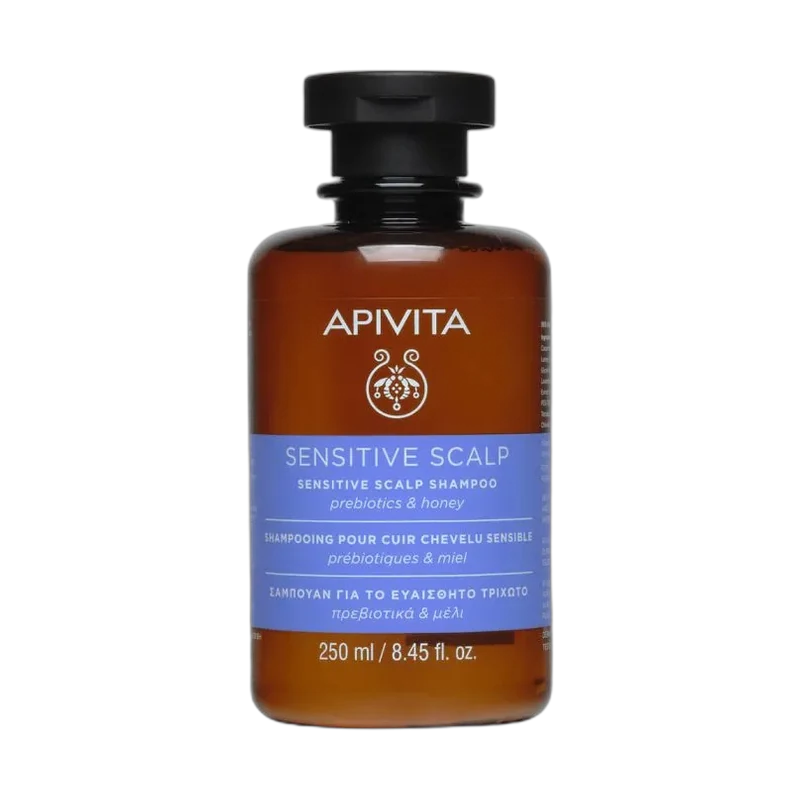
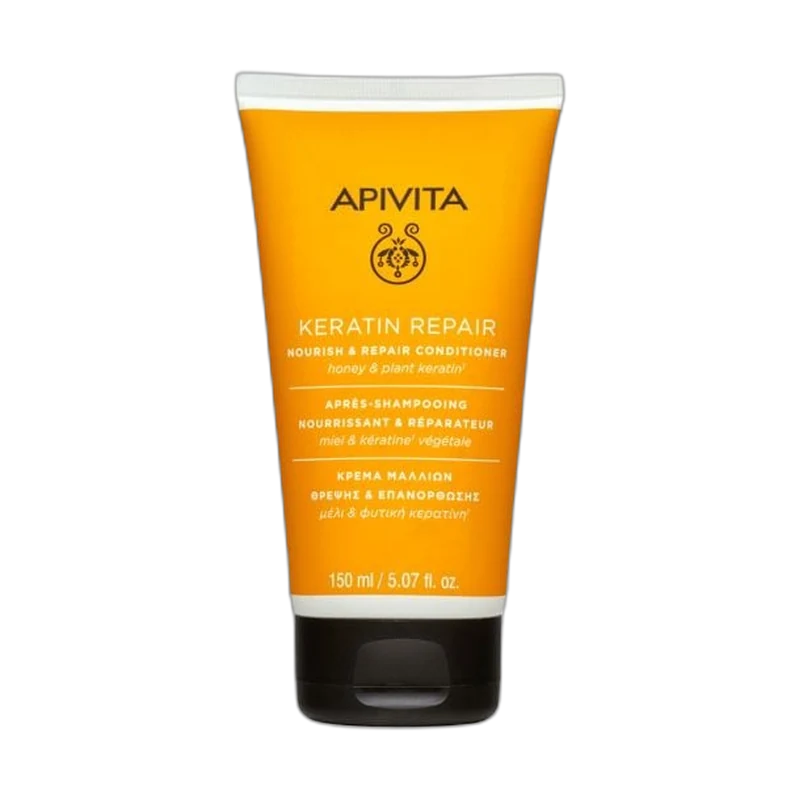
Suitable care with frequent washing and a sensitive scalp. If your scalp is easily irritated, an excellent choice is the sulfate-free Apivita shampoo with prebiotics and honey: it provides gentle cleansing without disturbing the natural microflora of the skin. For the lengths of the hair the Keratin Repair conditioner with plant keratin and olive and almond oils is suitable. It reduces breakage and split ends, protects the existing hair, helps it grow longer and gives it a denser look.
Important clarification: bath products are care for the appearance of the hair shaft and the health of the scalp. The answer to the internal causes behind the shedding itself, however, lies in the medical factors from the previous sections.
The product from this article
Recommended by DidiApivita Sensitive Scalp shampoo for sensitive scalp with prebiotics and honey, 250 ml
Didi: A gentle sulphate-free shampoo with prebiotics and honey that cleanses a sensitive scalp without disturbing its natural flora.
Leads to the product page with an affiliate link: if you buy through it, I earn a commission at no extra cost to you.
The product from this article
Recommended by DidiApivita Keratin Repair nourishing and repairing conditioner for dry and damaged hair, 150 ml
Didi: A conditioner with plant keratin, olive oils and honey that nourishes dry, damaged hair and eases detangling.
Leads to the product page with an affiliate link: if you buy through it, I earn a commission at no extra cost to you.
When to see a doctor
You go to a dermatologist without delay with round hairless patches, with itching, pain, scales or small wounds on the scalp, with loss of eyebrows, eyelashes or body hair, with sudden massive shedding, and with any thinning in a child. These pictures are not watched at home, because some forms, such as the scarring alopecias, lead to permanent loss of follicles if one waits too long.
The dermatologist has trichoscopy, which shows the state of the follicles, and therapies that are not sold over the counter. You also go for an examination when three months of consistent care and correction of the deficiencies bring no change, and when the hair loss comes with fatigue, a change in weight or a change in the cycle, because then the cause lies somewhere else.
Practical everyday tips: how to track results and protect your hair?
To help your hair recover, introduce a few easy but key habits into your everyday life.
Track the change objectively. Photograph the parting of your hair and your temples once a month under the same light. Our eyes often deceive us, but the photos show the real picture without subjectivity.
Reduce the mechanical pressure. Wear looser hairstyles and change regularly the side on which you part your hair. Using a silk pillowcase also helps, as it reduces friction and protects the lengths from breakage during sleep.
Be careful when styling and drying. When using a hairdryer, hold it at a distance from the head and set it to a moderate temperature. Never comb wet hair with a narrow comb: when wet the hair stretches much more easily and is extremely vulnerable to breakage.
The most important rule: be patient and give every new step or change between 3 and 6 months, as the natural life cycle of the hair does not hurry.
And if you are wondering which of the descriptions your case resembles or how to arrange the steps, write to me in the chat: I answer personally and free of charge, for informational purposes, without diagnosis and without changing prescribed therapy.
Sources
This article was written by Donka Arabadzhova, Master of Pharmacy, and confirmed by the following sources: American Academy of Dermatology (AAD): normal hair shedding and the growth cycle; DermNet NZ: telogen effluvium, causes and course; DermNet NZ: female pattern hair loss; DermNet NZ: male pattern hair loss; DermNet NZ: alopecia areata; StatPearls: androgenetic alopecia, minoxidil and finasteride; FDA: biotin from supplements can distort laboratory tests; Regulation (EU) No 432/2012: the approved health claims for biotin and zinc.
The product from this article
Apivita Sensitive Scalp shampoo for sensitive scalp with prebiotics and honey, 250 ml
Recommended by DidiDidi: A gentle sulphate-free shampoo with prebiotics and honey that cleanses a sensitive scalp without disturbing its natural flora.
Leads to the product page with an affiliate link: if you buy through it, I earn a commission at no extra cost to you.
The product from this article
Apivita Keratin Repair nourishing and repairing conditioner for dry and damaged hair, 150 ml
Recommended by DidiDidi: A conditioner with plant keratin, olive oils and honey that nourishes dry, damaged hair and eases detangling.
Leads to the product page with an affiliate link: if you buy through it, I earn a commission at no extra cost to you.
This article is for informational purposes only and does not replace a consultation with a doctor or pharmacist about your specific condition. The product cards in it lead to pages with affiliate links: if you buy through them, I earn a small commission at no extra cost to you.
I answer personally and free of charge, for information purposes only, without diagnosis and without changes to your therapy.
If this article was useful and you think it will help someone, share it. That is how my work and knowledge reach more people.