
 Seasonal topicsAugust 16, 20266 min read
Mosquitoes, ticks and bees: summer protection and first aid
Author: Donka Arabadzhova, Master of Pharmacy
This article is for informational purposes only and does not replace a consultation with a doctor or pharmacist about your specific condition.
The product cards in it lead to pages with affiliate links: if you buy through them, I earn a small commission at no extra cost to you.
How I choose topics and verify facts, read in the Editorial policy of mom.pharma.
Finding this article useful? Share it: that is how my work and knowledge reach more people.
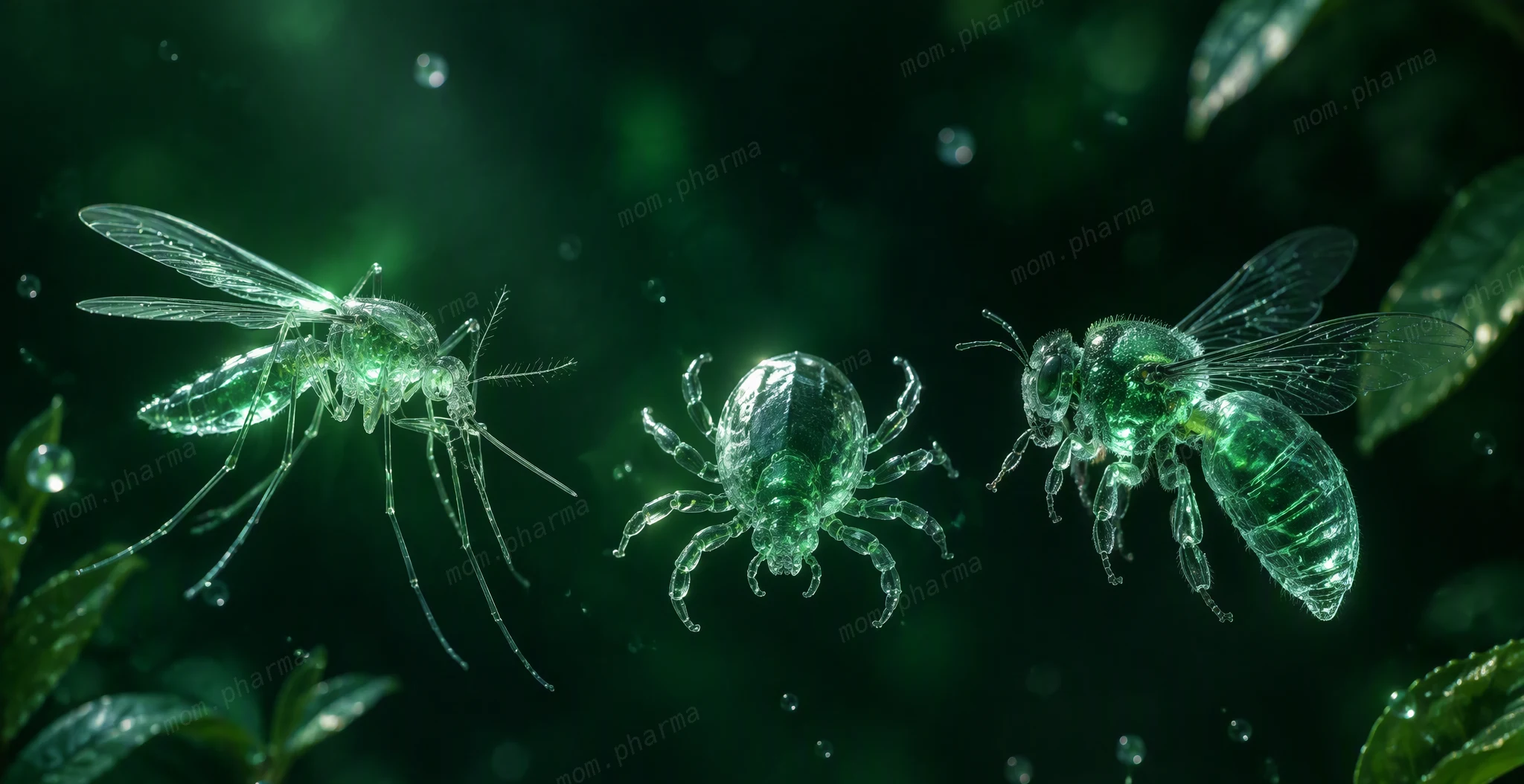
The three 'heroes' of the Bulgarian summer
Mosquitoes, ticks and bees: there is hardly a summer without meeting at least one of them. Most bites and stings are annoying but harmless and fade within a few days with simple home care.
There are situations, however, where the right reaction in the first minutes matters, and some folk tricks do more harm than they help. Here is what is proven to work, verified against official medical sources and my own practice.
Mosquitoes: annoying, but not only
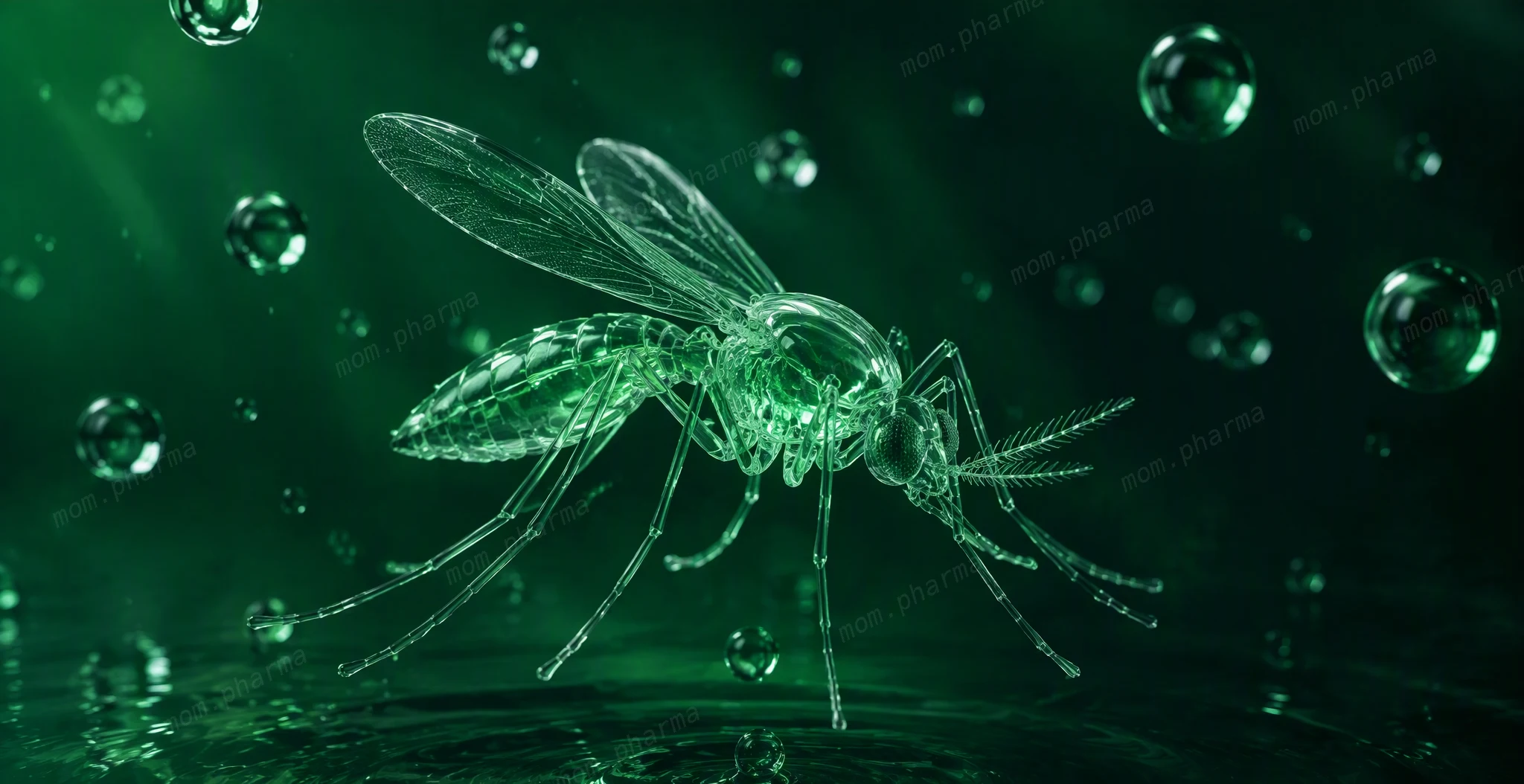
Only female mosquitoes bite: they need blood to develop their eggs. They are most active at dusk and during the night, and the itch after a bite is the body's reaction to their saliva.
In Bulgaria mosquitoes rarely transmit diseases, but West Nile fever is recorded every year in Europe, including Bulgaria, according to the European Centre for Disease Prevention and Control. Most infected people do not even notice, but in older and chronically ill people it can be severe, so protection is worth the effort.
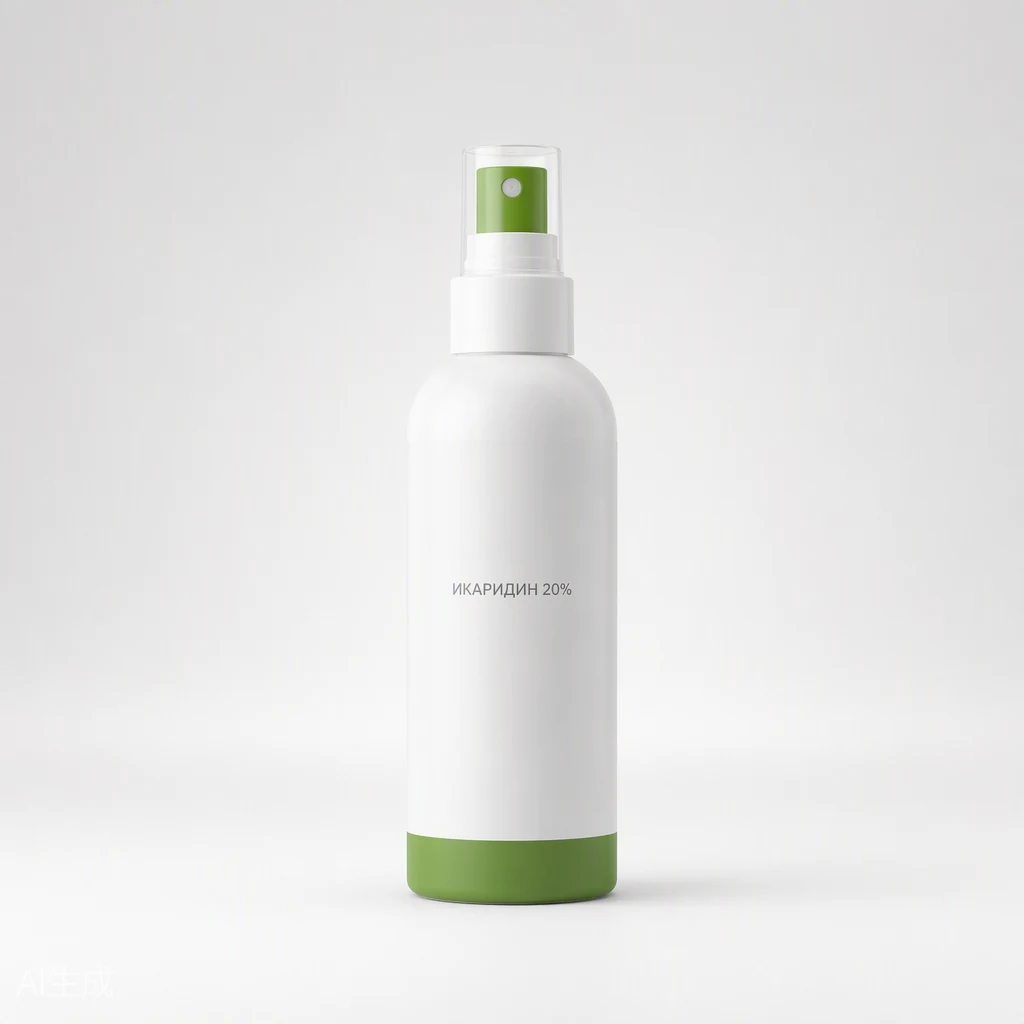
The product from this article
Recommended by DidiRepellent with 20% icaridin
Didi: Protects against mosquitoes and ticks for up to 8-12 hours, with no greasy feel. Suitable for the whole family. Use biocides safely. Always read the label and product information before use.
Repellents that actually work

Repellents with DEET, icaridin (picaridin) or IR3535 are proven to work. The concentration determines how long they protect: 10 percent DEET protects for about 2 hours, 30 percent for about 5 hours, and 20 percent icaridin for 8 to 12 hours. Concentrations above these levels add no real benefit. Repellents are biocides: use them safely and always read the label and product information before use.
For children over 2 months, repellents with up to 30 percent DEET are approved according to the American Academy of Pediatrics. An adult applies them: first onto their own hands and only then onto the child's exposed skin, skipping the child's palms, eyes and mouth, because young children rub their eyes and touch their mouth with their hands. Products with oil of lemon eucalyptus are not used for children under 3 years. Permethrin is only for clothing and gear, never for skin.
At the beach the order matters: first the sunscreen, then the repellent. Once back home, wash the skin with soap and water. A repellent is also an essential part of the summer travel medicine kit.
After a mosquito bite
Wash the spot with soap and water and apply a cold compress or ice wrapped in a cloth for 10 to 20 minutes. This calms the swelling and itching fastest.
For strong itching, antihistamine tablets and an anti-allergy cream help. The key rule is not to scratch: a scratched bite gets infected easily, and then it turns into a job for a doctor.
Ticks: they lurk in the grass

Ticks do not fall from trees: they crawl through grass and shrubs and latch on as you pass. That is why in forests and parks you should wear long trousers tucked into socks and light-coloured clothing, on which a dark tick is easy to spot.
After a walk out in nature, check the whole body, especially the armpits, groin, scalp and the folds behind the ears and knees, and do the same for children. A shower within 2 hours of coming home washes off ticks that have not yet attached. Pets should be treated against parasites regularly, as they are the most common transport for ticks into the home.
How to remove a tick correctly
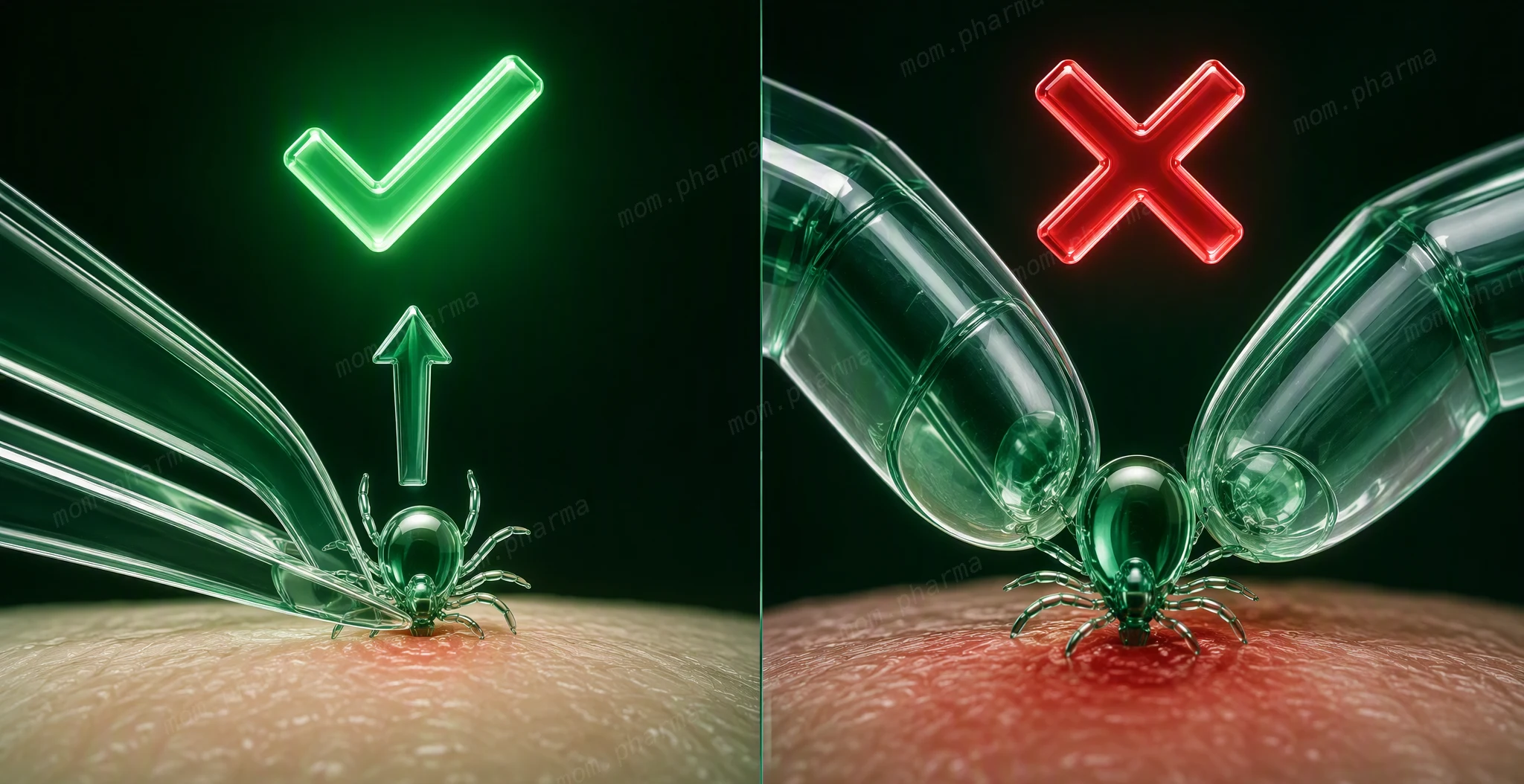
Grasp the tick with fine-tipped tweezers as close to the skin as possible and pull slowly and steadily upwards, without twisting and without squeezing its body. Twisting applies only to the special tick hook sold in pharmacies; tweezers are not twisted, because the mouthparts can break off and stay in the skin. If you are not sure you can manage, do not postpone for hours: see a doctor, who will certainly remove the tick correctly. Then wash and disinfect the spot.
Forget the tricks with oil, petroleum jelly, alcohol or a burnt match: they only make the tick release more saliva into the wound. If a small part of the mouthparts stays in the skin after removal, do not panic: if it does not come out easily with tweezers, leave it, the skin pushes it out on its own as it heals. If redness, pain or pus appear, the spot should be shown to a doctor.
The diseases ticks carry in Bulgaria
Lyme disease is the most common tick-borne infection in Bulgaria. It is recognised by an expanding red ring around the bite site, which appears days to weeks later, sometimes with flu-like complaints. It is treated with an antibiotic prescribed after a doctor's examination, and the earlier it is caught, the easier it is. The risk of infection grows when the tick stays attached for more than 24 hours, so early removal truly protects.
Mediterranean spotted fever (Marseille fever) is typical of Southern Bulgaria and the Black Sea coast and is carried by the dog tick. Its hallmark is a dark scab at the bite site, followed by a high fever of 39-40 degrees, severe headache and a rash over the body. With such symptoms you should see an infectious disease specialist and always mention the tick: this shortens the path to diagnosis.
Crimean-Congo haemorrhagic fever is rare and occurs mainly in Southeast Bulgaria. The general rule is simple: fever or rash in the weeks after a tick bite means a doctor, without waiting.
Bees and wasps: stay calm first

The bee leaves its stinger in the skin, the wasp does not. The stinger is scraped off sideways with a fingernail or the edge of a bank card, not with tweezers: squeezing pushes more venom out of it. Then the spot is washed with soap and water, a cold compress is applied for about 20 minutes and, if possible, the limb is raised.
For pain, paracetamol or ibuprofen help, and for swelling and itching an antihistamine tablet. Repellents do not protect against bees and wasps, so near them move slowly and calmly, without swatting or sudden arm movements.
Anaphylaxis: when every minute matters

A severe allergic reaction is recognised by swelling of the face, lips, tongue or throat, difficulty breathing or swallowing, hives over the whole body, dizziness, nausea and fainting. If even one such symptom appears after a sting, call 112 immediately.
People with a proven allergy carry an adrenaline auto-injector, and those close to them know how to use it. A sting in the mouth or throat requires emergency care even without an allergy, because the swelling can close the airways. Multiple stings at once, especially in a child, are also a reason to see a doctor.
Sources
This article was written by Donka Arabadzhova, Master of Pharmacy, and confirmed by the following sources: CDC guidance on repellents and on tick removal, the NHS page on insect bites and stings, Mayo Clinic first aid for stings, the American Academy of Pediatrics recommendations on repellents for children, and data from the European Centre for Disease Prevention and Control (ECDC) on West Nile fever.
The product from this article
Repellent with 20% icaridin
Recommended by DidiDidi: Protects against mosquitoes and ticks for up to 8-12 hours, with no greasy feel. Suitable for the whole family. Use biocides safely. Always read the label and product information before use.
This article is for informational purposes only and does not replace a consultation with a doctor or pharmacist about your specific condition. The product cards in it lead to pages with affiliate links: if you buy through them, I earn a small commission at no extra cost to you.
I answer personally and free of charge, for information purposes only, without diagnosis and without changes to your therapy.
If this article was useful and you think it will help someone, share it. That is how my work and knowledge reach more people.