
 Seasonal topicsAugust 24, 2026· Updated on September 1, 20268 min read
Dry skin and chapped lips in the cold months: what really helps
Author: Donka Arabadzhova, Master of Pharmacy
This article is for informational purposes only and does not replace a consultation with a doctor or pharmacist about your specific condition.
The product cards in it lead to pages with affiliate links: if you buy through them, I earn a small commission at no extra cost to you.
How I choose topics and verify facts, read in the Editorial policy of mom.pharma.
Finding this article useful? Share it: that is how my work and knowledge reach more people.
The customer who burned from every cream
Last Tuesday a woman around 35-40 walked into the pharmacy and placed both hands on the counter with the palms down. The skin over her knuckles had cracked to the point of bleeding and the area around her nails was peeling. Whatever I apply hurts and it simply burns me, she said, give me something that just stops this horror. Her job involved constant dish washing, and right after the first cold snap her hands had turned into one big wound. Hers is also the question I hear regularly, almost every day, right after the first cold snap: why does my skin crack right now?
This article is the answer. You will see what exactly happens to the skin barrier in the cold, which bathroom habits damage it more when the cold weather arrives, which ingredients genuinely stop the water loss and how chapped lips recover without the balm turning into a dependency. And finally: when the painful cracks are no longer a job for cream, but for the dermatologist.
Why skin dries out precisely in winter

Your skin holds its water with a thin wall of fats: ceramides, cholesterol and fatty acids, with ceramides making up about half of these lipids. While the wall is intact, moisture escapes slowly. Dermatologists measure this with the so-called transepidermal water loss: how much water has escaped through the skin per hour. Cold outdoor air carries little moisture, wind strips it from the surface, and indoors the heating often dries the room air to below 30% humidity, while skin comfort sits between 40 and 60%. The result is a jump in water loss and micro-cracks in the wall, through which moisture escapes even faster.
That is where the tight feeling after washing comes from and the grey flaking on the hands that turn white. Age deepens the problem because the skin produces fewer and fewer lipids. And the first victims are the places with the fewest sebaceous glands: hands, legs, face and lips.
The bathroom that dries you more than the cold

A hot shower after a freezing day is a pleasure the skin pays for dearly. Hot water dissolves the barrier fats and rinses them away, and soap with aggressive foaming agents (written on the label as SLS and SLES) destroys even more of the wall. The American Academy of Dermatology is categorical: 5 to 10 minutes, warm rather than hot water and a gentle, fragrance-free cleanser.
Two mistakes follow that I see every day. The first: rubbing with the towel until it squeaks. The right move is gentle patting, leaving the skin slightly damp. The second: cream applied once the skin has dried, meaning after the water has already evaporated. And products with fragrance and alcohol in the ingredient list are the third mistake: on a broken barrier they sting and irritate, exactly as they did for the customer at the start of the article.
The product from this article
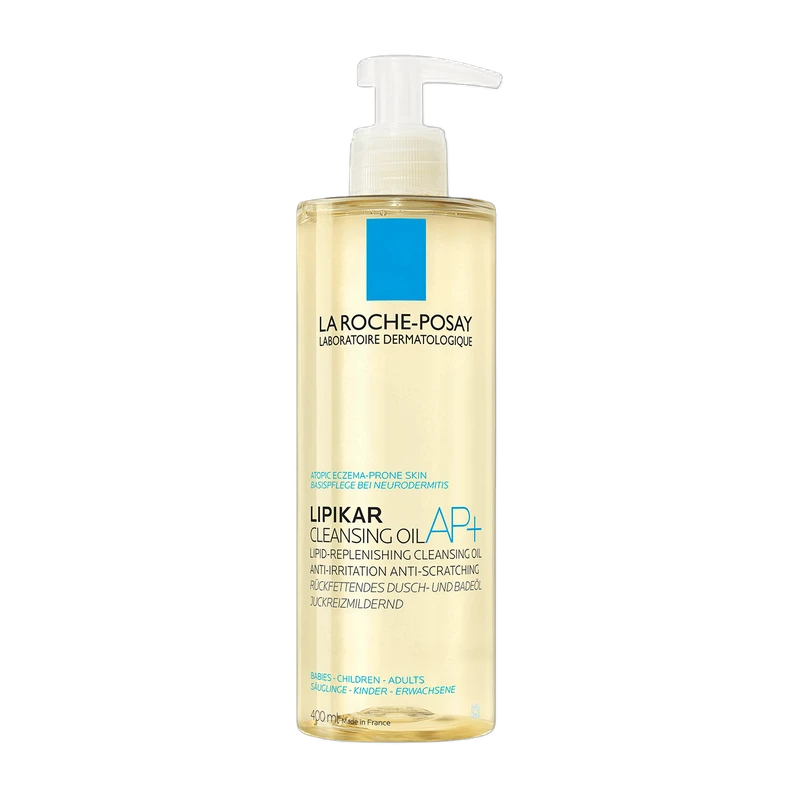
Recommended by DidiLa Roche-Posay Lipikar Huile AP+ lipid-replenishing cleansing oil
Didi: A soap-free cleansing oil for face and body that does not dry the skin in the shower and leaves a protective lipid film. Suitable for the whole family, babies included.
Leads to the product page with an affiliate link: if you buy through it, I earn a commission at no extra cost to you.
The ingredients that really work
A working winter formula combines three groups of ingredients. Humectants (glycerin, hyaluronic acid, urea) draw water into the skin, and for the body urea at 5 to 10% is among the most studied. Emollients (ceramides, fatty acids, squalane) fill the cracks between cells, like mortar between bricks. Occlusives (petrolatum, lanolin, shea butter, dimethicone) lay a sealing film on top: plain petrolatum reduces transepidermal water loss by up to 98%, which makes it the champion of occlusives in the dermatology literature (Cutis).
That is why in winter the lotion gives way to a cream, and the cream to an ointment on deeply cracked areas: the richer the texture, the longer it holds the water. For the face the sensible combination is a hyaluronic acid serum on slightly damp skin with a cream on top, and I have collected the mistakes around hyaluronic acid in a separate article. Careful with the active ingredients in the cold as well: on a damaged barrier retinol and acids irritate more, and the winter routine for retinol is covered in the article about retinol.
The product from this article
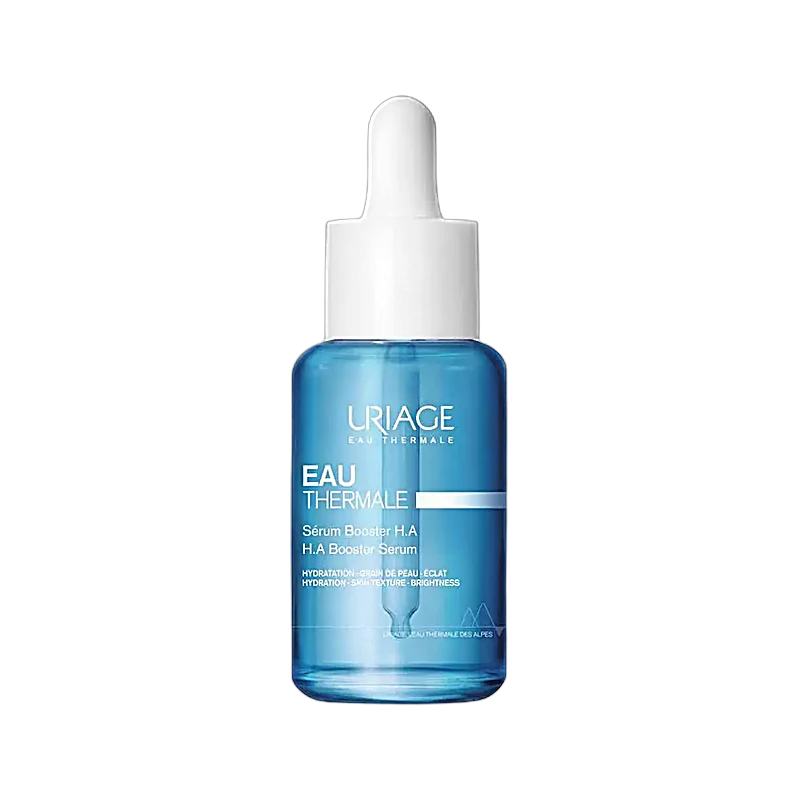
Recommended by DidiUriage Eau Thermale intensive hydrating serum with hyaluronic acid, 30 ml
Didi: A light serum with hyaluronic acid and thermal water that brings comfort back to dehydrated skin, apply on a slightly damp face.
Leads to the product page with an affiliate link: if you buy through it, I earn a commission at no extra cost to you.
The product from this article
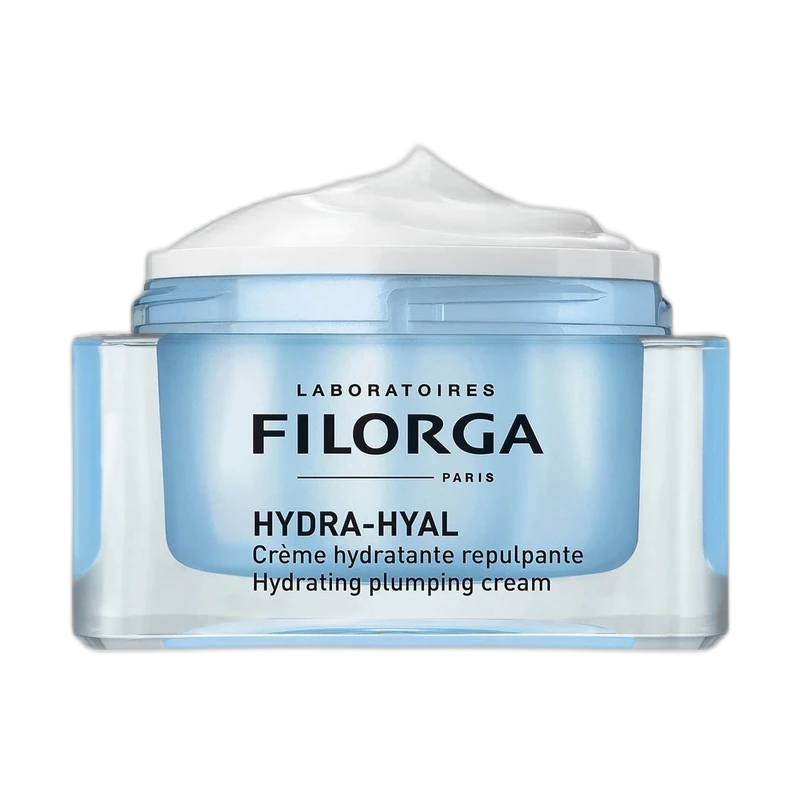
Recommended by DidiFilorga Hydra-Hyal hydrating face cream with hyaluronic acid, 50 ml
Didi: Five types of hyaluronic acid for deep hydration and a plumped look. My pick for prevention between 25 and 35.
Leads to the product page with an affiliate link: if you buy through it, I earn a commission at no extra cost to you.
The product from this article
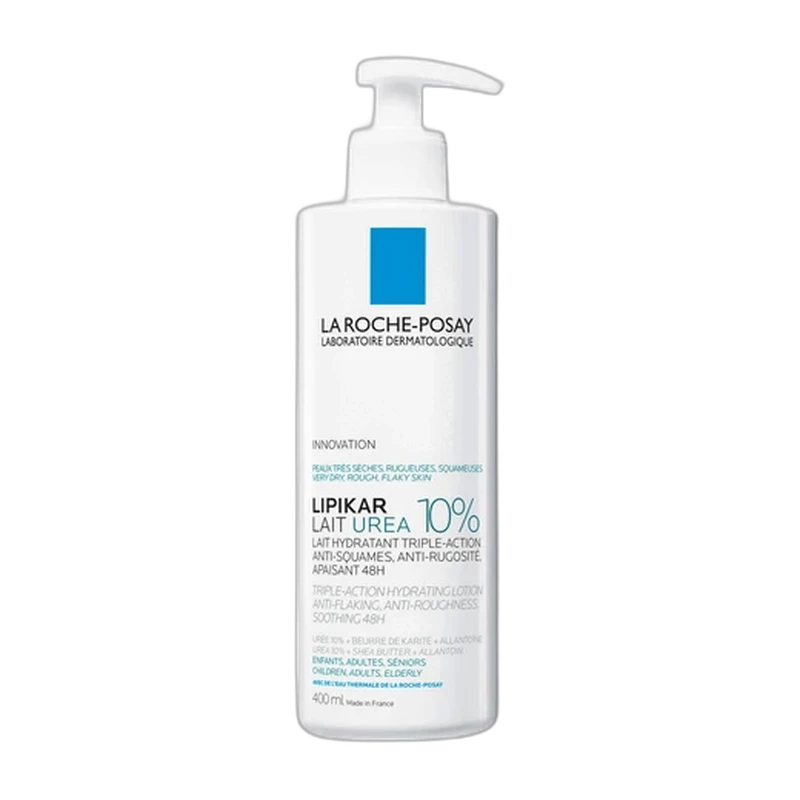
Recommended by DidiLa Roche-Posay Lipikar Lait Urea 10% soothing body lotion for very dry skin, 400 ml
Didi: A body lotion with 10% urea for very dry, rough skin; apply once or twice daily after washing. Not intended for the face.
Leads to the product page with an affiliate link: if you buy through it, I earn a commission at no extra cost to you.
Three minutes after the bath: the technique that decides everything

Here is the simplest change with the biggest effect, and it costs nothing: apply the cream within three minutes of washing, on slightly damp skin. The water that has just entered the outer layer gets sealed inside instead of evaporating. Dermatologists call this soak and smear. For the hands the rule is stricter still: cream after every wash, not only in the evening.
For deeply cracked hands there is also an overnight trick: a generous layer of ointment or petrolatum and thin cotton gloves for the night. The occlusion keeps the product working for hours and by morning the difference is visible to the naked eye. The other invisible help is the bedroom humidifier: it brings the humidity back to 40-60% and the skin stops fighting the central heating.
Chapped lips: why licking is enemy number one
The lips crack first because they are built to lose: the skin there has a much thinner horny layer and almost no sebaceous glands to support it from within. It is left with two outside helpers: saliva and balm. Saliva is the drop that makes the cup overflow: licking brings a second of relief, but its enzymes eat away at the skin and the evaporation dries it further. Children do it constantly, which is why a whole red ring forms around their mouth.
A balm is chosen by the label, not from the advertisement. What it should contain: petrolatum, lanolin, ceramides, shea butter. What it should not contain: menthol, camphor, phenol, fragrance and flavourings, which irritate and provoke new licking. That is how the enchanted circle of apply, it stings, lick, apply again gets broken.
A separate case are the cracks at the corners of the mouth, the so-called angular cheilitis. When they do not heal within a week or two, this is often not because of the cold: up to 25% of cases are linked to iron or B vitamin deficiency (StatPearls), and the moist environment of the corner invites Candida fungi and bacteria. Stubborn corner cracks are a reason for a medical check, not for yet another balm.
The product from this article
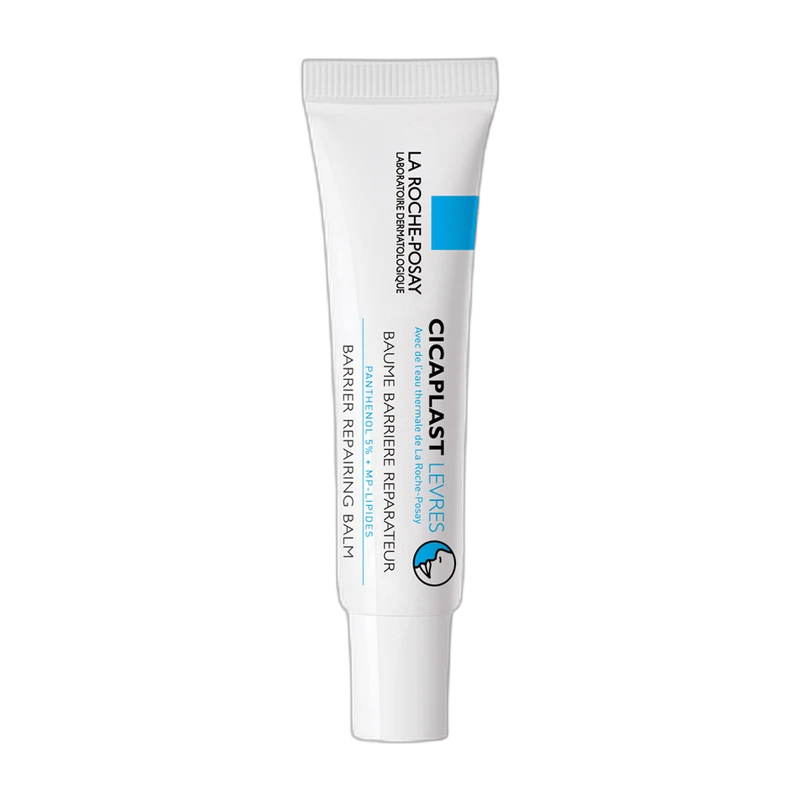
Recommended by DidiLa Roche-Posay Cicaplast Levres repairing barrier lip balm, 7.5 ml
Didi: A barrier balm with 5% panthenol, without menthol or fragrance, exactly by the criteria for chapped lips. Apply as many times a day as needed.
Leads to the product page with an affiliate link: if you buy through it, I earn a commission at no extra cost to you.
The myths that dry the skin more than the cold and the wind

Drink more water and your skin will hydrate. That is not quite right, because in a healthy person the extra litres do not reach the horny layer in any measurable way: skin hydration is decided on the surface, by sealing in the water that is already there. A normal fluid intake stays necessary, but the cream does what the glass of water cannot.
Oily skin does not need hydration. Grease and water are different things: the sebaceous glands can run at full speed while the barrier loses water. In winter oily skin needs a light, non-comedogenic hydrating product, not even more aggressive washing.
Sunscreen is for the summer. And here, as the saying goes: yes, but no. Snow reflects up to 80% of UV rays, which in the mountains almost doubles the exposure (Skin Cancer Foundation). In the city during winter a day cream with SPF is usually enough, but on the slopes and on a walk in the snow protection is mandatory, and we look at the textures in the article about sun protection.
When it is not just dry skin

Cold-weather dry skin comes under control with proper care in about two weeks. When it does not, we start thinking about something else: itching that wakes you at night or yellow crusts as a sign of infection, deep cracks that bleed, red plaques with silvery scaling. That can already be a sign of atopic dermatitis, psoriasis or another condition, and the diagnosis is made by a dermatologist, not in the pharmacy.
There are quieter signals too: new, unusual dryness of the whole body in a person with diabetes or a thyroid problem is also a topic for the doctor. And about the redness and burning on the face that worsen in the cold I write separately in the article about rosacea. The therapy for these conditions is determined by a doctor; my job is to recognise the moment when cream alone is no longer enough and to point you towards a medical check.
The winter kit from the pharmacy
Assembled in three steps, the winter routine looks like this. Cleansing without irritation: a gentle gel or micellar water without fragrance. Hydration on slightly damp skin: a serum or cream with hyaluronic acid, glycerin or ceramides. Sealing and protection: a richer cream in the morning, plus sun protection when there is snow or a mountain trip. The products I show most often in the pharmacy for such problems are gathered here and in the product catalogue.
And for the hands and lips: a hand cream next to the sink, next to the bed and in the bag, and a balm with petrolatum or lanolin, but without menthol. Two weeks of consistency and most winter cracks become a memory. If they do not, you already know the next move: a dermatologist.
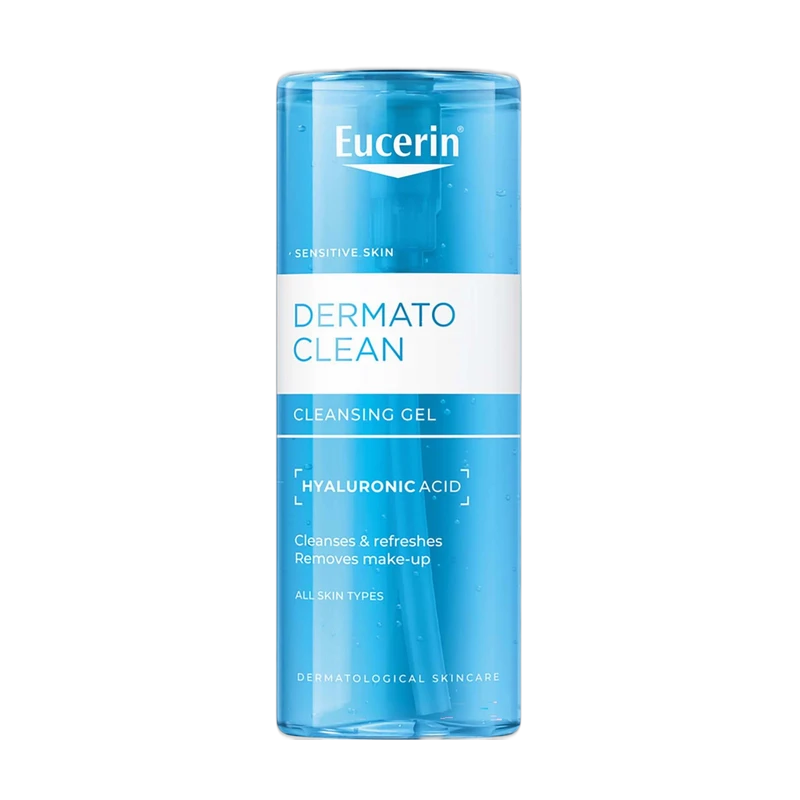
The product from this article
Recommended by DidiEucerin DermatoClean face cleansing gel with hydrating effect, 200 ml
Didi: A gentle gel with hyaluronic acid that removes makeup and impurities without drying. A suitable first step at any age.
Leads to the product page with an affiliate link: if you buy through it, I earn a commission at no extra cost to you.
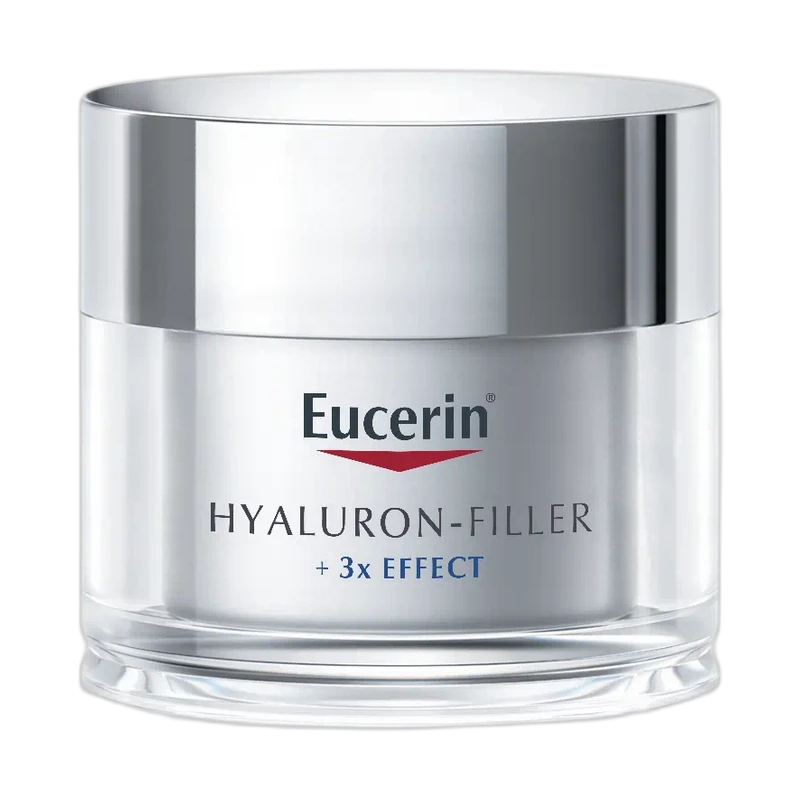
The product from this article
Recommended by DidiEucerin Hyaluron-Filler + 3x Effect day cream for dry skin SPF 15, 50 ml
Didi: Plumps wrinkles and stimulates the skin's own hyaluronic acid synthesis. The dry-skin version suits hormonal dryness after 45.
Leads to the product page with an affiliate link: if you buy through it, I earn a commission at no extra cost to you.
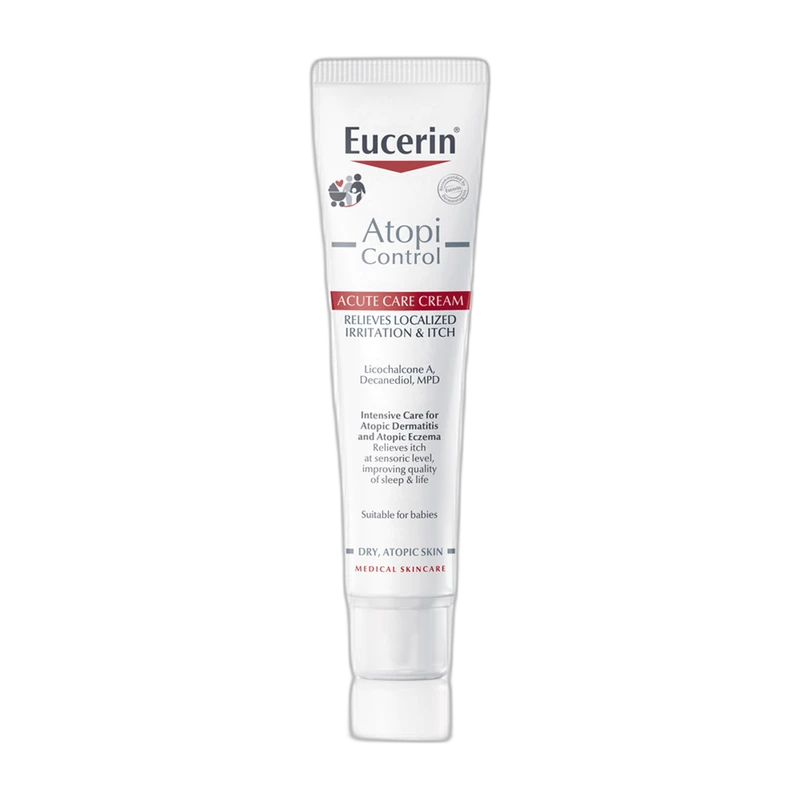
The product from this article
Recommended by DidiEucerin AtopiControl Acute cream for dry and itchy skin, 40 ml
Didi: A cream for local use on acutely itchy, irritated patches, with a cooling effect. If the complaints do not settle or keep spreading, see a dermatologist.
Leads to the product page with an affiliate link: if you buy through it, I earn a commission at no extra cost to you.
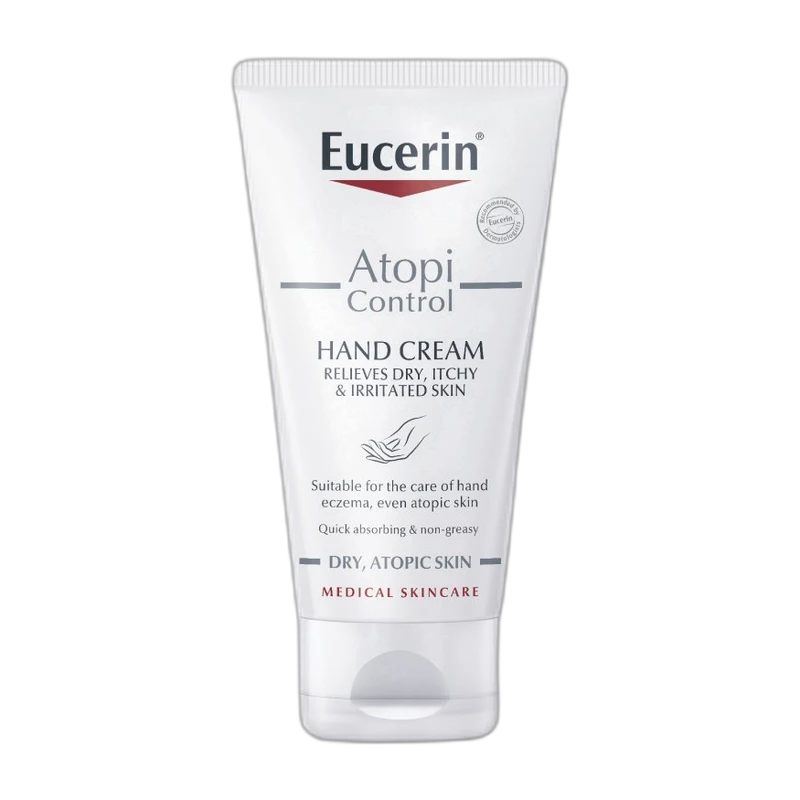
The product from this article
Recommended by DidiEucerin AtopiControl hand cream for dry to atopic skin, 75 ml
Didi: A hand cream that calms dryness and itching with frequent washing and sanitising. Keep it by the sink and apply after every wash.
Leads to the product page with an affiliate link: if you buy through it, I earn a commission at no extra cost to you.
Sources
This article was written by Donka Arabadzhova, Master of Pharmacy, and confirmed by the following sources: American Academy of Dermatology (AAD), guidance on dry skin care and atopic dermatitis; Malave and James, review on the uses of petrolatum in dermatology, Cutis journal; DermNet NZ, materials on chapped lips and angular cheilitis; StatPearls (NCBI Bookshelf), chapter on angular cheilitis and its associated nutritional deficiencies; Skin Cancer Foundation, materials on the reflection of UV rays by snow; Regulation (EC) No 655/2013 on cosmetic claims.
This article is for informational purposes only and does not replace a consultation with a doctor or pharmacist about your specific condition. The product cards in it lead to pages with affiliate links: if you buy through them, I earn a small commission at no extra cost to you.
I answer personally and free of charge, for information purposes only, without diagnosis and without changes to your therapy.
If this article was useful and you think it will help someone, share it. That is how my work and knowledge reach more people.