
 Dermocosmetics and skin careSeptember 24, 202615 min read
Under-eye bags: what works, what is a myth, and which home remedies cause harm
Author: Donka Arabadzhova, Master of Pharmacy
This article is for informational purposes only and does not replace a consultation with a doctor or pharmacist about your specific condition.
The product cards in it lead to pages with affiliate links: if you buy through them, I earn a small commission at no extra cost to you.
How I choose topics and verify facts, read in the Editorial policy of mom.pharma.
Finding this article useful? Share it: that is how my work and knowledge reach more people.

Bags, dark circles, puffiness: the three completely different problems we widely confuse
"Why do I wake up with puffy eyes and how do I remove them?" This is one of the most common questions I hear in my everyday practice at the pharmacy. The internet and women's forums abound with "express solutions": cucumber compresses, tea bags, raw potatoes or frozen spoons. Before you reach for the fridge or for expensive cosmetics, however, you are skipping the most important step: finding out the anatomical cause of your condition. Under the common folk name "bags" three fundamentally different mechanisms actually hide, and modern dermatological literature treats them strictly individually.
True (structural) bags: these are permanent bulges under the eyes. They are a herniation (protrusion) of the natural fat pads around the eye through the so-called orbital septum, the connective-tissue membrane that weakens and loses elasticity with age. These bags are visible all day, do not go away and are very often seen even in young people because of strong genetic inheritance.
Dark circles (periorbital hyperpigmentation): a bluish-violet or brownish discoloration of the skin. It can be due to increased melanin deposition, to skin that is too thin, letting the superficial blood vessels show through, or simply to an optical shadow created by an anatomical hollowing of the tear trough.
Morning puffiness (periorbital edema): temporary swelling caused by retained lymph fluid in the intercellular space. The swelling is most pronounced right after waking (due to the horizontal position of the body at night) and usually melts away naturally by noon thanks to gravity and blinking.
This classification is not just a terminological distinction, it is a question of proper therapy. Against morning puffiness help cold compresses, proper sleep position and limiting salt in the evening. Against hollow shadows an effective solution is the precise placement of a hyaluronic filler by a certified specialist. Against structural fat herniation, however, no cosmetic cream has the physical ability to help; there the only radical and definitive solution is aesthetic surgery (lower blepharoplasty). Any brand or influencer promising you a single remedy against all three problems at once is selling you illusions, not medically reasoned care.
Why they appear: the causes lie in anatomy and lifestyle, not in cosmetics

The skin of the eyelids is the finest and most delicate in the entire human body, its thickness is under one millimeter and it is practically devoid of subcutaneous fatty tissue. Precisely because of this specificity, every structural or physiological change in the body is reflected there first and most noticeably. With advancing age, the connective-tissue membrane (the orbital septum) that holds the fat pads around the eyeball naturally weakens and slackens. As a result, the fatty tissue herniates (bulges) forward, forming a permanent bag. The scientific studies in the field of lower blepharoplasty (surgical correction of the eyelids) describe in detail exactly this anatomical mechanism in patients.
Morning puffiness, in turn, is entirely a question of hydrodynamics and fluid retention. In the horizontal position during sleep, the fluids in the body are redistributed and directed towards the zone of least resistance, the lower eyelid. Overdoing salty foods in the evening, alcohol consumption, crying or a stuffy nose as a result of an allergic reaction drastically increase water retention in this area. Pigment-type dark circles (periorbital hyperpigmentation), on the other hand, are often determined by genetic predisposition. They get worse under the influence of UV rays and mechanical rubbing of the eyes, which is a classic symptom in patients with atopic rhinitis. Medical reviews name genetics, solar radiation and chronic inflammation as the leading triggers of hyperpigmentation.
Sometimes the changes around the eyes are not a sign of tiredness but an alarm for a health problem. A consultation with a doctor, not a cosmetician, is mandatory with several "red flags":
A one-sided, suddenly appearing or painful swelling.
Puffiness accompanied by redness, infection or changes in vision.
Swelling combined with exophthalmos (bulging of the eyeball) and palpitations, common symptoms in thyroid gland diseases such as Graves' disease.
For allergies and what exactly to take against them, there is a separate article on seasonal allergies.
What works, backed by studies

Against morning puffiness the arsenal of options is pragmatic but scientifically grounded. A cold compress, applied for five to ten minutes, causes vasoconstriction (narrowing of the blood vessels) and mechanically helps push out part of the retained interstitial fluid. Using a higher pillow during sleep reduces the hydrostatic accumulation of lymph in the periorbital zone overnight. Reducing the intake of table salt and alcohol in the late hours of the day eliminates one of the leading pathogenetic causes of the condition. In addition, adequate control of allergic manifestations, including by applying the advice from the specialized article on allergies, interrupts the process of chronic inflammation that keeps the puffiness going. The honest boundary every consumer should know is that these measures influence only the dynamics of fluids, but are powerless against fatty tissue.
In eye-area cosmetics, caffeine is the ingredient with the most categorical scientific backing. The reviews examining the role of caffeine in dermatological care describe in detail its vasoconstrictive action: it constricts the capillaries and reduces swelling, and small clinical trials report visible improvement in puffy eyes and dark circles. This effect is completely real, but it is temporary and lasts only during the systematic use of the product, as is the specificity of every local vessel-constricting agent.
Combined topical formulas offer a somewhat broader spectrum of action. A clinical study evaluating the effectiveness of an eye cream containing caffeine, vitamin C and peptides shows measurable improvement in puffiness and the intensity of dark circles after several weeks of regular use. On the other hand, the application of low-concentration retinoids in the eye zone leads to long-term (within months) thickening and compaction of the dermis, which reduces the show-through of superficial vessels.
Daily sun protection in the morning remains the most accessible and effective investment against hyperpigmentation, since UV rays are a major driver of melanin accumulation. How to start applying retinoids without the risk of irritation is described in the article on retinol, and the mechanisms of photoprotection for dark spots are explained in the article on sun protection and the article on pigmentation.
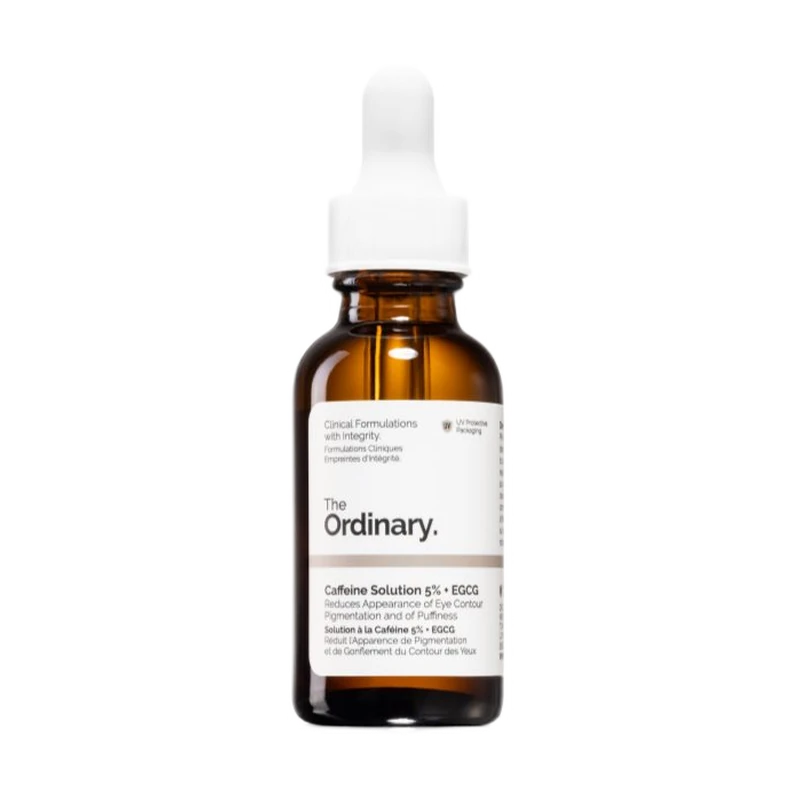
The product from this article
Recommended by DidiThe Ordinary Caffeine Solution 5% + EGCG Eye Serum, 30 ml
Didi: A concentrated water-based serum with 5% caffeine and EGCG from green tea for the eye area. Works on the look of morning puffiness and dark circles, with no fragrance and no greasy film.
Leads to the product page with an affiliate link: if you buy through it, I earn a commission at no extra cost to you.
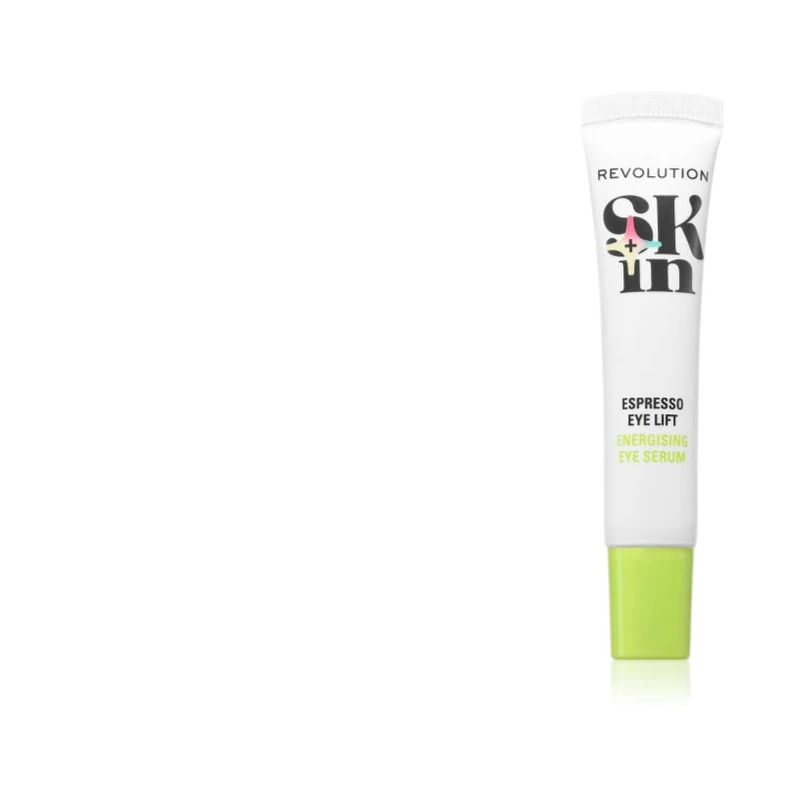
The product from this article
Revolution Skincare Espresso Eye Lift caffeine serum, 15 ml
Didi: A serum with 5% caffeine in a roll-on tube that massages the area during application. Handy for a refresh during the day and for travel.
Leads to the product page with an affiliate link: if you buy through it, I earn a commission at no extra cost to you.
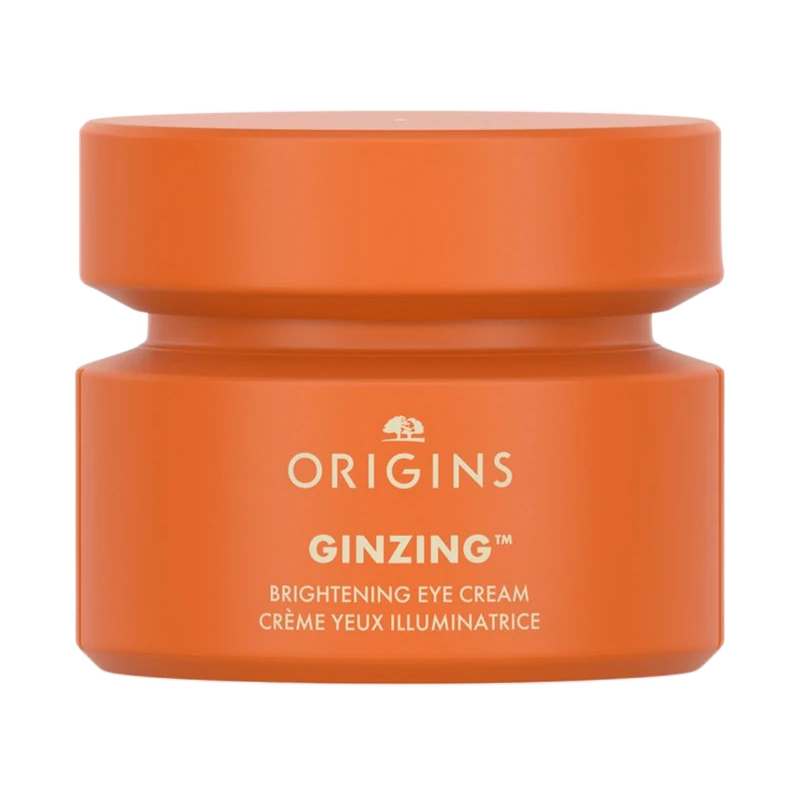
The product from this article
Origins GinZing brightening eye cream, 15 ml
Didi: A brightening cream with caffeine and ginseng for the eye area. Works on the look of puffiness and dark circles and gives a fresh, rested appearance.
Leads to the product page with an affiliate link: if you buy through it, I earn a commission at no extra cost to you.
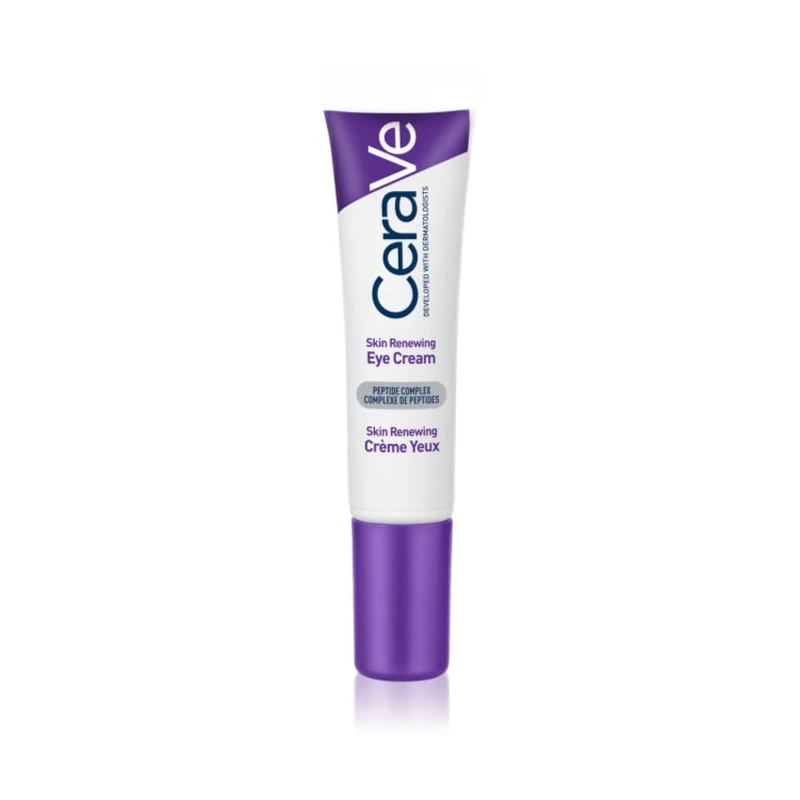
The product from this article
CeraVe Skin Renewing Eye Cream, 15 ml
Didi: A gentle daily care with peptides, hyaluronic acid, niacinamide and caffeine. Fragrance-free, ophthalmologist tested, suitable for a sensitive eye area.
Leads to the product page with an affiliate link: if you buy through it, I earn a commission at no extra cost to you.
Procedures with a specialist: what they do and what the real risks are

The application of a hyaluronic filler in the periorbital zone aims to fill the anatomical hollowing of the tear trough and in this way eliminate the optical shadow. This effect is instantly visible and fully reversible: if the aesthetic result is unsatisfactory, the enzyme hyaluronidase can quickly and completely degrade the injected product.
The large medical reviews examining the complications of periorbital fillers, however, call for serious attention. Among the described adverse reactions are chronic swelling, asymmetry and uneven contour, bluish discoloration of the skin due to the so-called Tyndall effect (optical scattering of light through superficially placed gel), and in rare and extremely severe cases, vascular occlusion (blockage of a blood vessel) leading to permanent vision loss. A scientific review from 2020 documented sixty described cases of blindness after the injection of dermal fillers in the period between 2015 and 2018 alone. Although this complication is extremely rare, it is the categorical reason these interventions are performed only by a certified and trained physician and never in beauty salons.
Lower blepharoplasty (eyelid surgery) remains the definitive and radical solution in the presence of structural, fatty bags. In this surgical intervention the specialist removes or repositions the bulging fatty tissue most often through a transconjunctival approach (an incision on the inner side of the eyelid), which guarantees the absence of external scars. The scientific reviews on safety and effectiveness report a very high percentage of patient satisfaction, but also outline the real postoperative risks: dry eye syndrome, a change in the anatomical position of the lower eyelid or the need for subsequent revision (correction). This is a serious surgical operation requiring clinical recovery, financial investment and a precise choice of specialist, not a superficial procedure done "on the side."
When the leading problem is pigment-type dark circles, the therapeutic instrumentarium includes laser procedures and specialized chemical peels, performed by a dermatologist, often in a series of several sessions. You can find detailed information about the mechanisms and methods for dealing with melanin accumulations in the separate article on dark spots, as the therapeutic principles in this case are identical. The name of a procedure is not marketing advertising: these are serious medical activities with specific indications, contraindications and a corresponding value, discussed only during an individual examination face to face with the treating physician.
The myths from the forums: cucumber, tea bags, potatoes

Applying cucumber slices is the most widespread home recipe in Bulgaria, and it actually has its rational explanation. The low temperature and moisture of the vegetable cause brief vasoconstriction (narrowing of the vessels), which temporarily reduces morning puffiness. You can achieve exactly the same result, however, with a cold wet towel or a spoon chilled in the fridge. No ingredient in the cucumber has the ability to penetrate deep enough to dissolve a fat pad or lighten accumulated pigment. The ritual itself is completely harmless, but the expectation of a real healing effect is mistaken.
Tea bag compresses work by an identical mechanism: the leading factor is the cooling, not the therapeutic content, and the amount of caffeine and tannins in one tea bag is microscopic. A warm tea bag is an exceptionally bad choice, because heat dilates the blood vessels and can increase the swelling.
Alternatives such as potato slices, strawberries or aloe vera gel provide only a surface astringent or refreshing sensation, without affecting the structure of the problem. The popular egg-white mask creates an illusion of lifting only because it dries as a dense film on the skin: this is a purely mechanical effect of surface tightening, not a real tightening of tissues.
Among the most persistent myths in our country is the belief that drinking huge amounts of water will make the bags disappear. Optimal hydration is vital for the whole body, but the medical literature lacks any studies showing that increased water intake drains accumulated morning puffiness. What is more, excessive fluid consumption right before sleep can even worsen the swelling in the morning. There is categorically no mechanism for "detoxification" of the bags with diuretic teas from the pharmacy either: the function of the liver and kidneys is not assisted by herbal weight-loss blends.
The home practices that actually cause harm

Besides being ineffective, some of the most widespread recipes on the internet can be downright dangerous for the health of your eyes and skin.
An ice cube on the eyelids: since the periorbital skin is the thinnest in the human body, it is exceptionally prone to cold injuries (frostbite). Applying pure ice directly on bare skin, especially accompanied by several minutes of circular motions, can damage the tissues and burst capillaries. The proper and safe method for a cold compress always requires the ice to be wrapped in a clean towel or a special gel eye mask to be used.
Lemon juice and sun exposure: this is a documented dangerous combination. Citrus juices contain compounds called furanocoumarins, which under the influence of UVA rays trigger a severe toxic reaction, phytophotodermatitis. It manifests as a chemical burn, the appearance of blisters and subsequent deep hyperpigmentation (dark spots) that stays for months. Prestigious institutions such as the Cleveland Clinic, as well as the world dermatological literature, describe this process in detail, and the delicate zone around the eyes is the most vulnerable place for such experiments, especially under the strong Bulgarian summer sun.
Self-treatment with hydrocortisone or combined steroid ointments: in Bulgaria it is a common practice to keep a corticosteroid cream in the home medicine cabinet, which is applied around the eyes without regulation because of its fast anti-inflammatory and vessel-constricting effect. Chronic use of local steroids in this area, however, leads to progressive thinning of the dermis and carries a serious medical risk of triggering glaucoma and cataract. Even when clinical studies with low-potency preparations show relatively reassuring results, specialists are categorical: prolonged application of steroids around the eyes should be avoided and should happen only under strict medical control.
Use of retinoic acid ointment (tretinoin) and aggressive household agents: pharmacy products with pure tretinoin are not formulated for eyelids, their concentration is too high, unlike specialized eye cosmetics, where the retinoids are buffered and precisely dosed. On the other hand, applying baking soda, toothpaste or salt water damages the natural acid mantle of the skin and invariably leads to irritant contact dermatitis. The application of heavy vegetable oils (such as pure olive oil) blocks the pilosebaceous complexes (microscopic structures in the skin that consist of a hair, a hair follicle, a sebaceous gland and a muscle that raises the hair) and causes the appearance of milia (small white cysts). The final result of these attempts is a strongly red, irritated and additionally swollen area, which the users then try to cover with even denser layers of makeup.
When the question is for a doctor, not a cosmetic cream?

As a medical specialist in the pharmacy, I want to emphasize which are the critical symptoms that require immediate specialized help.
Urgent eye examination: any new, suddenly appearing, one-sided (under one eye only) or painful swelling, combined with redness or a sudden change in the quality of vision, is a reason for an urgent consultation with an ophthalmologist.
Endocrinological consultation: puffiness around the eyes that appears in combination with palpitations, unexplained weight loss or exophthalmos (visible bulging of the eyeballs) points to diagnostics of the thyroid gland with an endocrinologist.
Allergological control: constant, persistent puffiness accompanied by watery rhinitis and itchy eyes is a classic sign of an allergic reaction. It requires systematic control and therapy from within, not superficial attempts with home compresses.
Dermatological examination: every change in the structure, color or size of a mole or pigment spot in the periorbital zone must be evaluated by a dermatologist to rule out tumor processes.
If you have established that your bags are entirely structural (fat hernias) and they cause you serious aesthetic discomfort, the most pragmatic step is to book a consultation with an oculoplastic surgeon. During this examination you will hear the real medical options for correction, accompanied by their exact prices and postoperative risks, without commercial illusions and empty promises. And if you are still unsure what exactly the nature of your problem is and where it is most correct to start, write to me directly in the chat: I answer completely personally and for free, entirely with informational and educational purpose, without placing diagnoses and without changing the therapy already prescribed by your doctor.
Quick reference: a realistic plan
For your care to be truly effective, your actions must correspond to the exact cause of the problem. Here is a brief scientific summary of the right steps.
For morning puffiness (fluid retention): apply a cold compress with a towel for five to ten minutes immediately after waking. Sleep on a raised pillow and limit the intake of table salt and alcohol in the late hours. Keep your allergies under constant therapeutic control. Include an eye cosmetic product with a high caffeine content in your morning routine, followed by mandatory sun protection. Judge the real result only after four to eight weeks of full consistency.
For structural bags (fat hernias): remember that a cosmetic cream can only improve the surface texture of the skin, but cannot put the fatty tissue back. The real medical solutions here are two: the injection of a dermal filler to camouflage the anatomical hollowing, or lower blepharoplasty (eyelid surgery) for the permanent removal of the bulge. These interventions are performed only by a certified specialist after a thorough clinical examination. For dark circles (periorbital hyperpigmentation): invest in daily sun protection every morning to block the accumulation of melanin. Introduce specialized topical retinoids and lightening ingredients into your routine. If necessary, seek a dermatologist for laser procedures or medical chemical peels. Every aesthetic problem around the eyes is solved successfully only when it is attacked with the right tool. And that always begins with one completely honest, medically reasoned assessment of what actually lies beneath your skin.
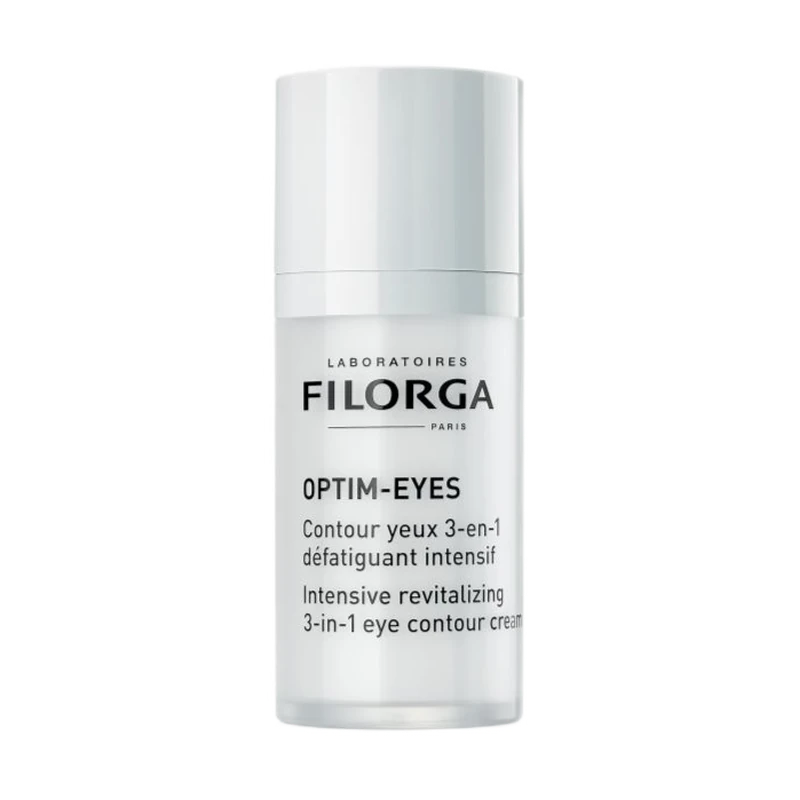
The product from this article
Filorga Optim-Eyes 3-in-1 eye care, 15 ml
Didi: A care for the eye contour aimed at fine lines, puffiness and dark circles at once. Hyaluronic acid and the NCEF complex are the heart of the formula.
Leads to the product page with an affiliate link: if you buy through it, I earn a commission at no extra cost to you.
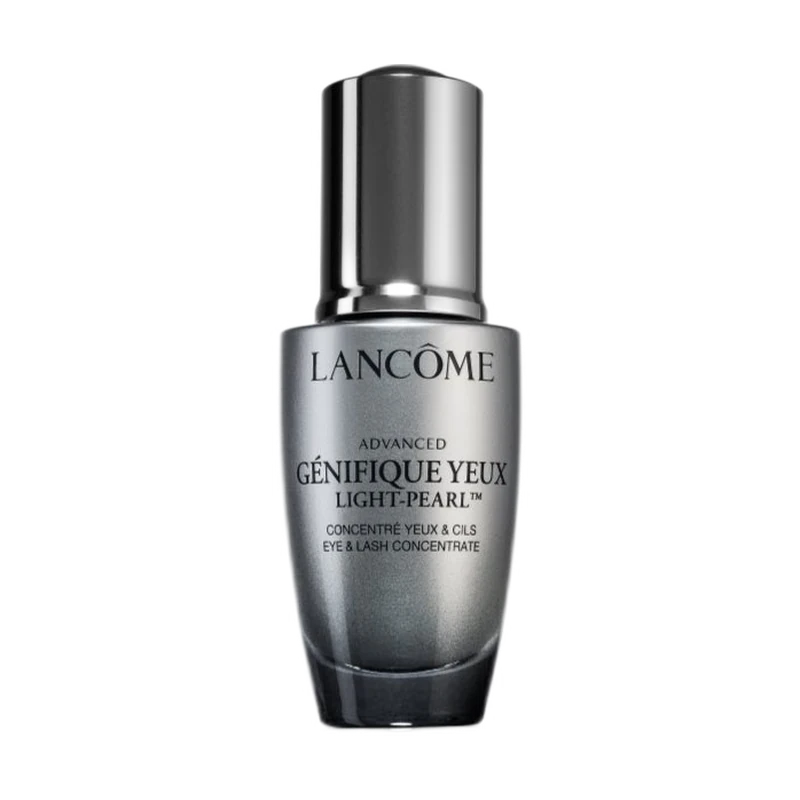
The product from this article
Lancôme Génifique Advanced Yeux Light-Pearl eye and lash serum, 20 ml
Didi: A serum for the eye contour and lashes with a complex of 7 pre- and probiotic fractions. The patented Light-Pearl applicator massages the area with every application.
Leads to the product page with an affiliate link: if you buy through it, I earn a commission at no extra cost to you.
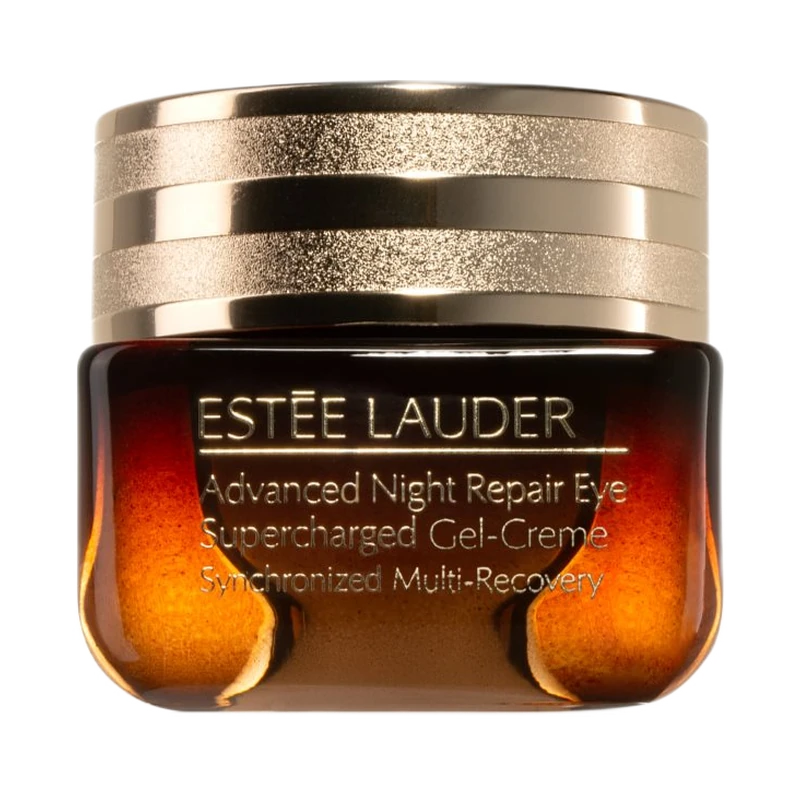
The product from this article
Estée Lauder Advanced Night Repair Eye Supercharged Gel-Creme Synchronized Multi-Recovery eye cream, 15 ml
Didi: A regenerating gel-cream for the eye contour with a light, fast-absorbing gel texture. Works on fine lines, puffiness and dark circles with their brown, bluish and purple tones.
Leads to the product page with an affiliate link: if you buy through it, I earn a commission at no extra cost to you.
Sources
This article was written by Donka Arabadzhova, Master of Pharmacy, and confirmed by the following sources: "Caffeine and its pharmacological benefits in the management of different dermatological conditions", review in PubMed Central: action and clinical trials of topical caffeine for puffy eyelids. Clinical study of a multicorrective eye cream for puffiness and dark circles, PubMed, 2024 "Safety and Complications in Lower Eyelid Blepharoplasty", review in PubMed Central, 2025 "Lower eyelid blepharoplasty: An overview", PubMed Central: indications and technique for bags. "Complications of Periorbital Cosmetic Hyaluronic Acid Filler Injections", major review in PubMed Central: complications and the risk of vision loss with periorbital fillers. "Periorbital Hyperpigmentation: A Comprehensive Review", PubMed Central: causes of dark circles. "Infraorbital Dark Circles: A Review of the Pathogenesis", PubMed Central: classification of pigment and vascular causes. Cleveland Clinic: phytophotodermatitis from citrus juices and sun. Medscape: risk of ocular complications from topical corticosteroids around the eyes.
This article is for informational purposes only and does not replace a consultation with a doctor or pharmacist about your specific condition. The product cards in it lead to pages with affiliate links: if you buy through them, I earn a small commission at no extra cost to you.
I answer personally and free of charge, for information purposes only, without diagnosis and without changes to your therapy.
If this article was useful and you think it will help someone, share it. That is how my work and knowledge reach more people.