
 Supplements and vitaminsAugust 29, 20269 min read
Collagen: what studies show for skin, joints and bones
Author: Donka Arabadzhova, Master of Pharmacy
This article is for informational purposes only and does not replace a consultation with a doctor or pharmacist about your specific condition.
How I choose topics and verify facts, read in the Editorial policy of mom.pharma.
Finding this article useful? Share it: that is how my work and knowledge reach more people.
A Wednesday afternoon and a timid question
Wednesday afternoon, early in the month. A man of about 55 places a jar of collagen powder, bought online, on the counter and asks half-jokingly: will this help my knees or have I thrown my money away again. The honest answer is neither yes nor no, but depends what for. For skin the data are contradictory and depend on who funded the study, for joints there are modest but real results in specific people, and the most solid figure comes from the bones of women after menopause.
Collagen is among the best-selling supplements of the last few years and questions about it are asked daily. In this article I have gathered what it is and why the reserve melts away, what happens to it after you drink it, which studies show an effect and which do not, how to read the label on the packaging, and what protects your own collagen without costing a single lev.
What collagen is and why the reserve melts
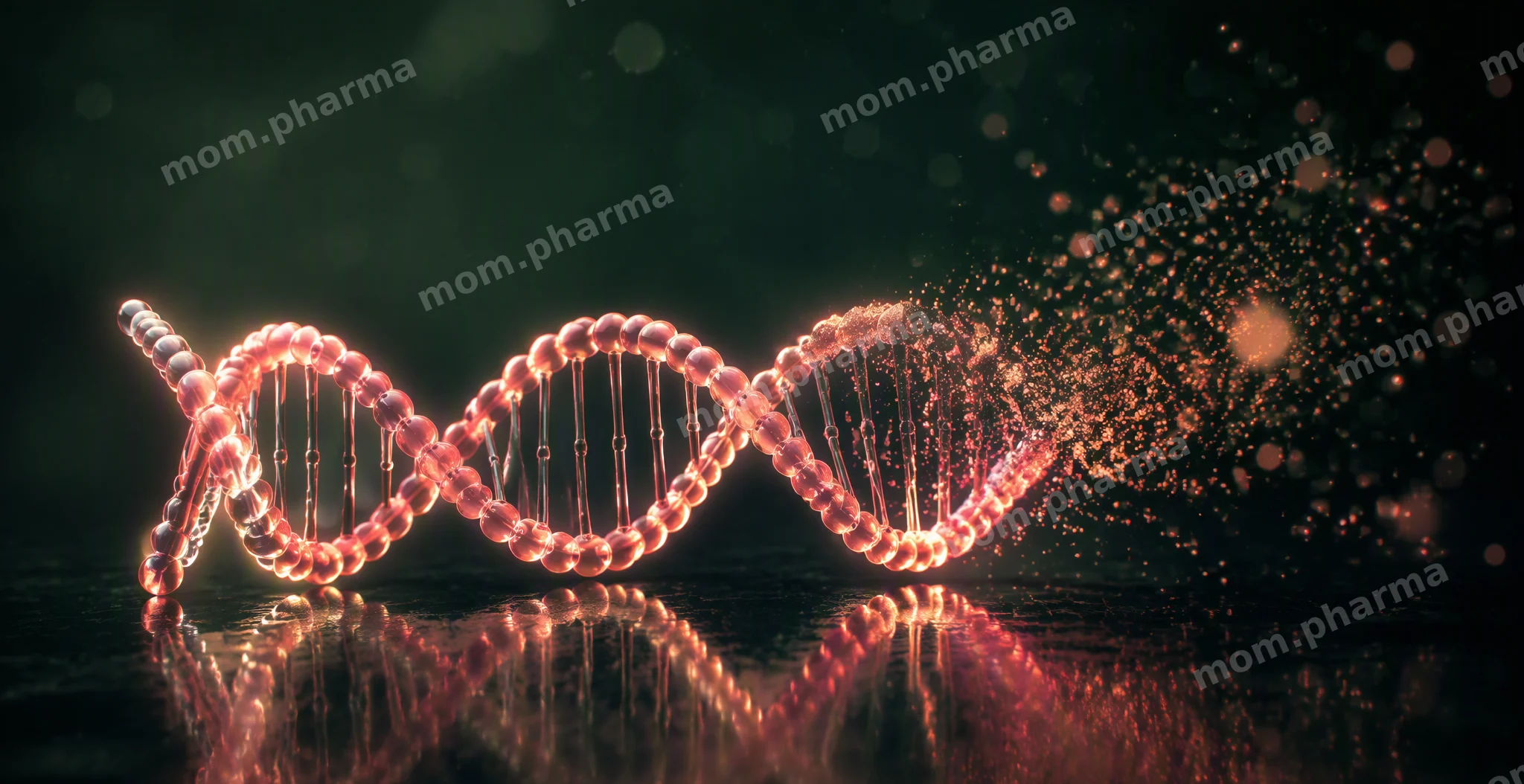
Collagen is the most abundant protein in the body: about one third of the total protein mass in the human body. It forms the basis of skin, bones, cartilage, tendons and vessel walls. Its molecule is a triple helix, twisted like a rope, and exactly this construction gives tissues both strength and elasticity at once. The most common are type I in skin, bones and tendons, type II in cartilage and type III in skin and the walls of the blood vessels.
The bad news is that from the mid-twenties the body slows down: synthesis drops by about 1% per year, and in women during the first five years after menopause the skin loses about 30% of its reserve. Three accelerators finish the rest: unprotected sun, cigarettes and excess sugar, which sticks to the fibres and makes them brittle. A detailed map by age is in the article on skincare through the decades.
What happens to the collagen you drink
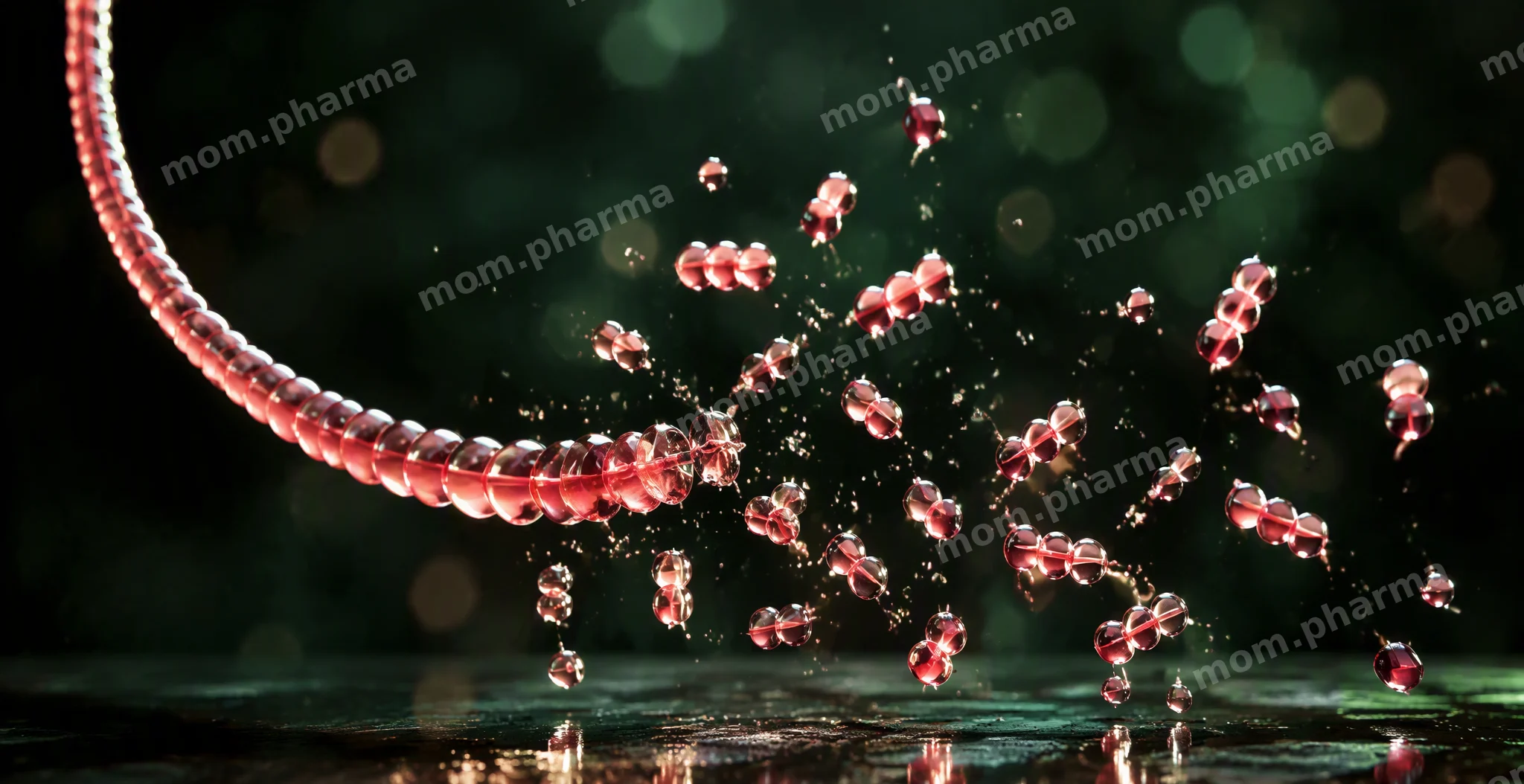
The critics are right about one thing: ingested collagen does not travel straight from the glass into your cheeks. The body breaks it down, just as it does with a steak. Picture ordinary collagen as a long bead necklace that the stomach has to cut up in order to absorb it. Hydrolysed collagen in supplements is simply pre-cut into small pieces (peptides), so that the body can take it in immediately and use it as building material.
There is, however, a detail the critics miss. In 2005 the team of Iwai discovered that after taking hydrolysate, characteristic mini-peptides appear in the blood, above all prolyl-hydroxyproline, and persist for hours. In laboratory experiments these fragments behave like signal molecules and prod the fibroblasts, the cells that produce new collagen. This is the mechanism on which the whole industry stands: not replenishing the reserves, but sending a signal. Whether the signal arrives and how strong it is is answered by the clinical studies, and there the picture is mixed.
Skin: the figures the advertisements quote
The meta-analysis by de Miranda from 2021 gathers 19 randomised, double-blind studies with a total of 1125 participants, almost all women: hydrolysed collagen taken for 90 days improves hydration and elasticity and reduces wrinkles compared with placebo. Two years later the analysis by Pu and colleagues adds more studies, 26 in number with 1721 people, and confirms the same picture, noting that the result appears after eight to twelve weeks and that the source, fish or bovine, does not change the effect.
These are the figures you will see quoted under every advertisement. And they are real, published in peer-reviewed journals. But they are only half the story.
Skin: the half of the story the advertisements skip
In 2025 the Korean team of Myung did something nobody had done before in this field: they split the 23 randomised studies along two axes, who funded them and how high their quality was. And here comes the jolt. Studies without industry funding showed no effect on hydration, elasticity or wrinkles, and the highest-quality ones by methodology also came out dry. The authors' conclusion is restrained: at present there is no clinical evidence supporting collagen supplements against skin aging.
The industry immediately objected: truly independent studies can be counted on one hand, they are small and use low doses, and manufacturer funding does not automatically mean manipulation. Both sides have arguments. My conclusion from accumulated practice is moderate: some people probably gain a modest benefit, but no powder can bring wrinkles back. If you are looking for ingredients with a more stable base for the skin, retinol and daily sun protection remain preferable to any supplement.
Joints: modest but real data
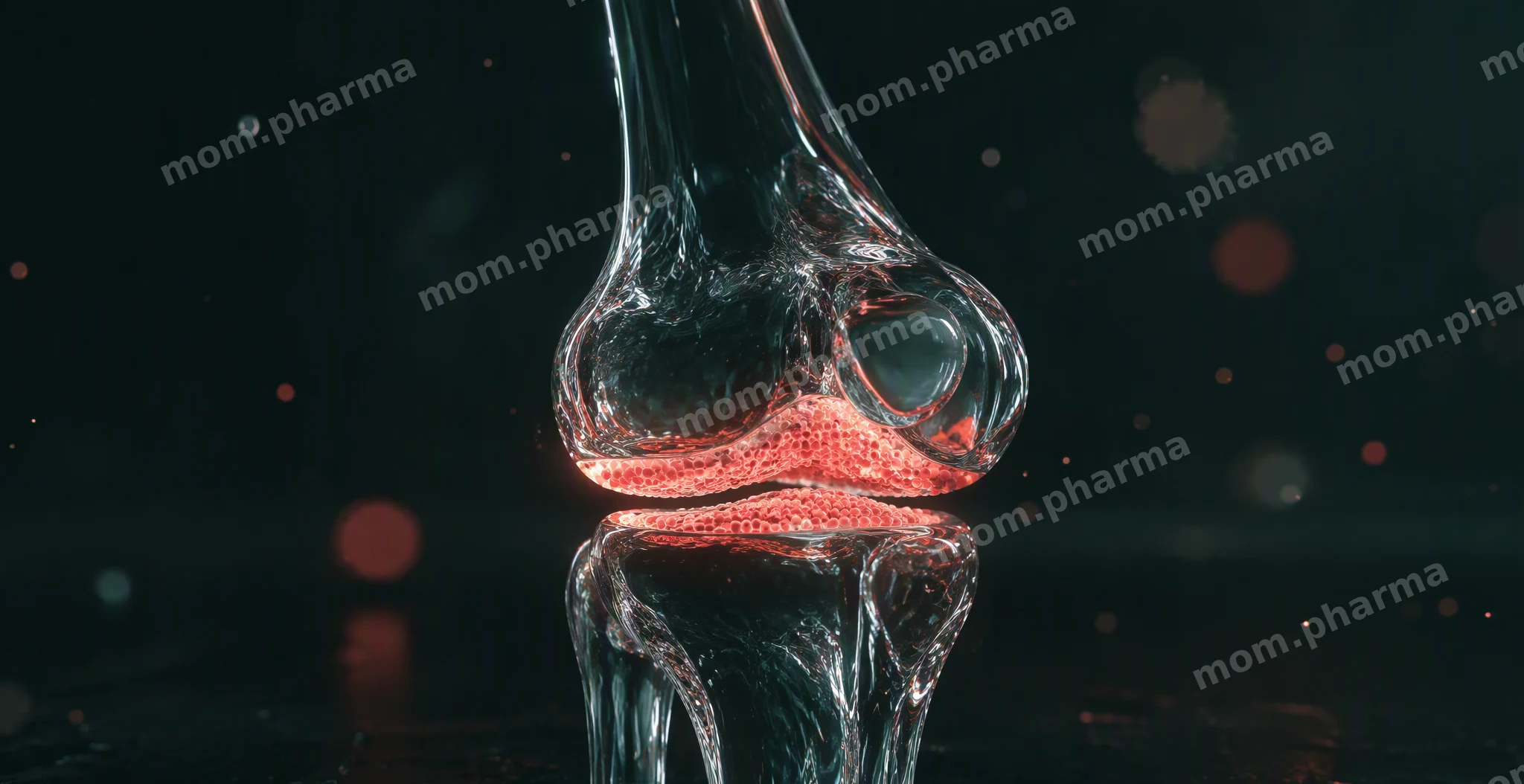
For joints the tone of the literature is calmer. The classic study by Clark from 2008 followed 97 athletes with activity-related pain: at 10 grams of hydrolysate daily for 24 weeks, pain when walking, standing and lifting weights decreased compared with placebo. The effect is not dramatic, but it is measurable and appears exactly in people who put more load on their joints.
A separate case is undenatured type II collagen, known as UC-II: its dose is miniature, 40 mg daily, because its mechanism is not that of a building material but of immune tuning. In the study by Lugo from 2016 with 191 people with knee osteoarthritis it gave better results than the combination of glucosamine with chondroitin over six months. And here one very important clarification: osteoarthritis is diagnosed by a doctor and the therapy is determined by them, while the supplement is a companion, not a substitute.
Bones: the most solid figure is in women after menopause
The most convincing result in the whole topic comes from the study by König from 2018: 131 women after menopause with reduced bone mineral density took 5 grams of specific collagen peptides daily for twelve months. Bone density in the spine grew by about 3%, and in the femoral neck by 6.7%, while in the placebo group it continued to melt away. The blood markers point the same way: more bone formation, less breakdown.
The four-year follow-up of part of the women shows that the benefit is preserved with continued intake, although it is observational and with a smaller group. A meta-analysis from 2025 summarises: in women with osteopenia (a condition of reduced bone density in which the bones contain fewer minerals than normal and become weaker, but not yet to the degree classified as osteoporosis) the peptides, especially in tandem with calcium and vitamin D, improve bone density with moderate strength. And again the boundary: in osteoporosis the therapy is determined by the doctor, and collagen is an addition to it, not an alternative.
Vitamin C: the mandatory companion

Without vitamin C our body simply cannot produce collagen. Two amino acids in the helix, proline and lysine, must be hydroxylated (a chemical change that acts like an activation button, without this change the amino acids are useless and cannot build strong tissue), and this work is done by an enzyme whose helper is precisely vitamin C. In history, sailors suffering from scurvy are the most striking example of the consequences of a lack of vitamin C. Without it the body loses its ability to synthesise collagen. As a result, connective tissue weakens, the gums start to bleed, and old and new wounds cannot heal, because the body cannot build new tissue.
Not by chance the only EU-approved health claim in this whole topic is for vitamin C: it contributes to normal collagen formation for the normal function of skin. For collagen itself there is no approved claim, and that is why on the labels you will read general phrases. Serious formulas include vitamin C in their composition, and its daily need is easily covered by food as well, as I wrote in the article on vitamin C.
If you decide to try: how to read the label
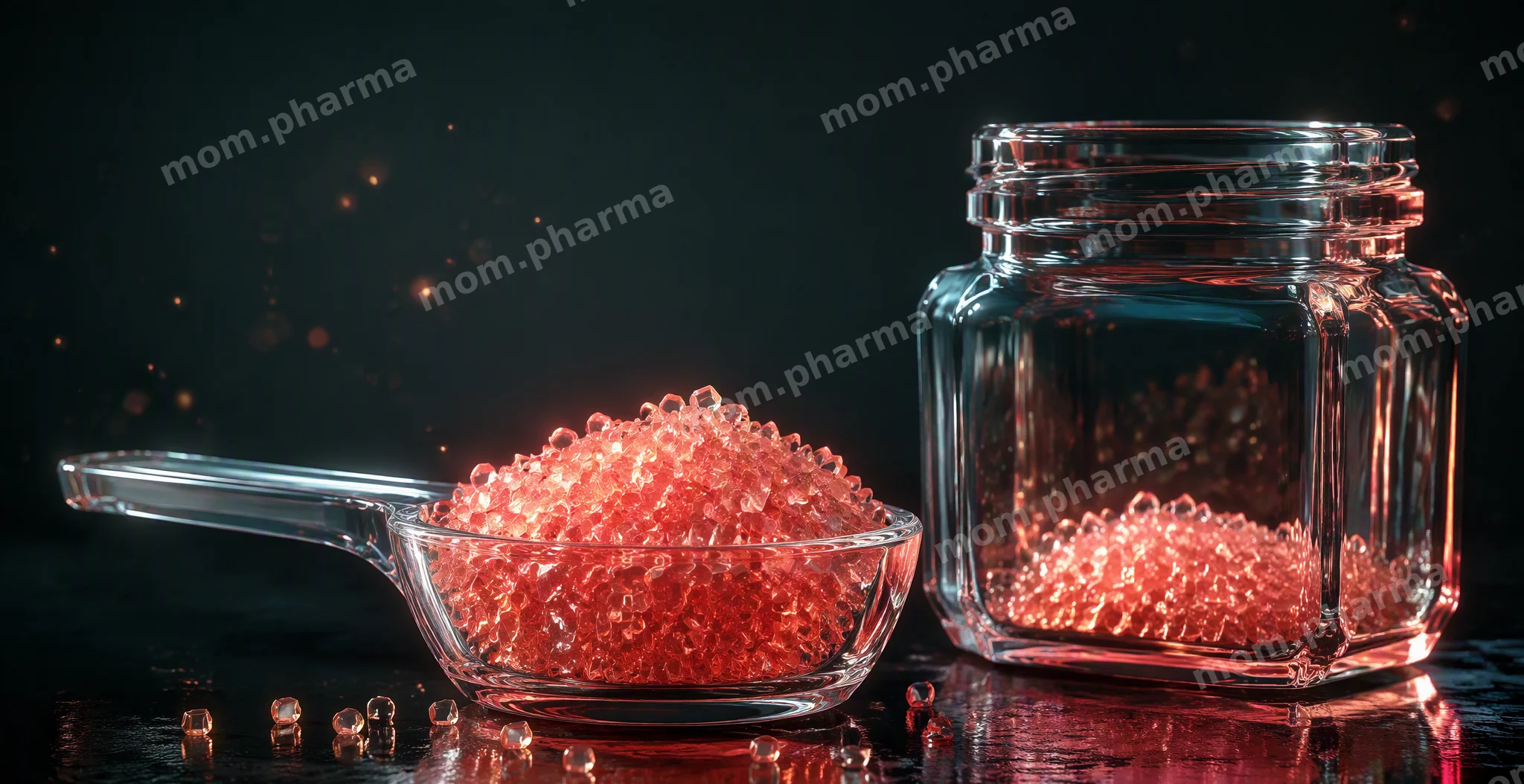
First look for the words hydrolysed collagen or collagen peptides, that is the form tested in the studies. Then check how many grams of pure collagen the daily dose carries, not how much the measuring scoop weighs: flavourings and fillers weigh too. The studied doses are between 2.5 and 10 grams, and the effect, when there is one, appears after eight to twelve weeks and fades when the intake stops.
Marine or bovine collagen? Studies show no difference in the final result, but with an allergy to seafood the marine variant naturally drops out. It is important to clear up one common misconception: collagen cannot replace a standard protein powder. It lacks the essential amino acid tryptophan, which makes it an incomplete protein. As with any other supplement, intake during pregnancy and breastfeeding must be agreed with a doctor. And one last piece of advice: always buy from pharmacies or certified shops, so that you can be sure the contents of the jar match the label.
The collagen you already own: how to preserve it for free
There are four free instruments with a more solid base than any supplement: sun protection every day, because ultraviolet rays are the main destroyer of collagen fibres, quitting cigarettes, since tobacco smoke literally suffocates the fibroblasts (the cells that produce collagen), less sugar, to prevent the hardening and damage of skin proteins, and enough protein on the table, because every construction requires quality material.
To these add sleep and retinol in the evening, the most studied ingredient against skin aging, with a gradual start as I described in the article on retinol. When the base is in order, the supplement has something to support. When it is not, it remains an expensive powder in a glass of water.
Sources
This article was written by Donka Arabadzhova, Master of Pharmacy, and confirmed by the following sources: Iwai K. et al., Journal of Agricultural and Food Chemistry, 2005: detection of collagen peptides in human blood after ingestion; de Miranda R.B. et al., International Journal of Dermatology, 2021: meta-analysis on hydrolysed collagen and skin aging; Pu S.Y. et al., Nutrients, 2023: meta-analysis of 26 randomised trials on hydration and elasticity; Myung S.K., Park Y., American Journal of Medicine, 2025: meta-analysis by funding source and study quality; Clark K.L. et al., Current Medical Research and Opinion, 2008: collagen hydrolysate in athletes with joint pain; Lugo J.P. et al., Nutrition Journal, 2016: undenatured type II collagen in knee osteoarthritis; König D. et al., Nutrients, 2018: specific collagen peptides and bone mineral density in postmenopausal women; Zdzieblik D. et al., 2021: four-year follow-up in women with osteopenia; Frontiers in Nutrition, 2025: meta-analysis on collagen peptides, bones and muscles; Regulation (EU) No 432/2012 (the approved health claims, vitamin C and collagen).
This article is for informational purposes only and does not replace a consultation with a doctor or pharmacist about your specific condition.
I answer personally and free of charge, for information purposes only, without diagnosis and without changes to your therapy.
If this article was useful and you think it will help someone, share it. That is how my work and knowledge reach more people.